
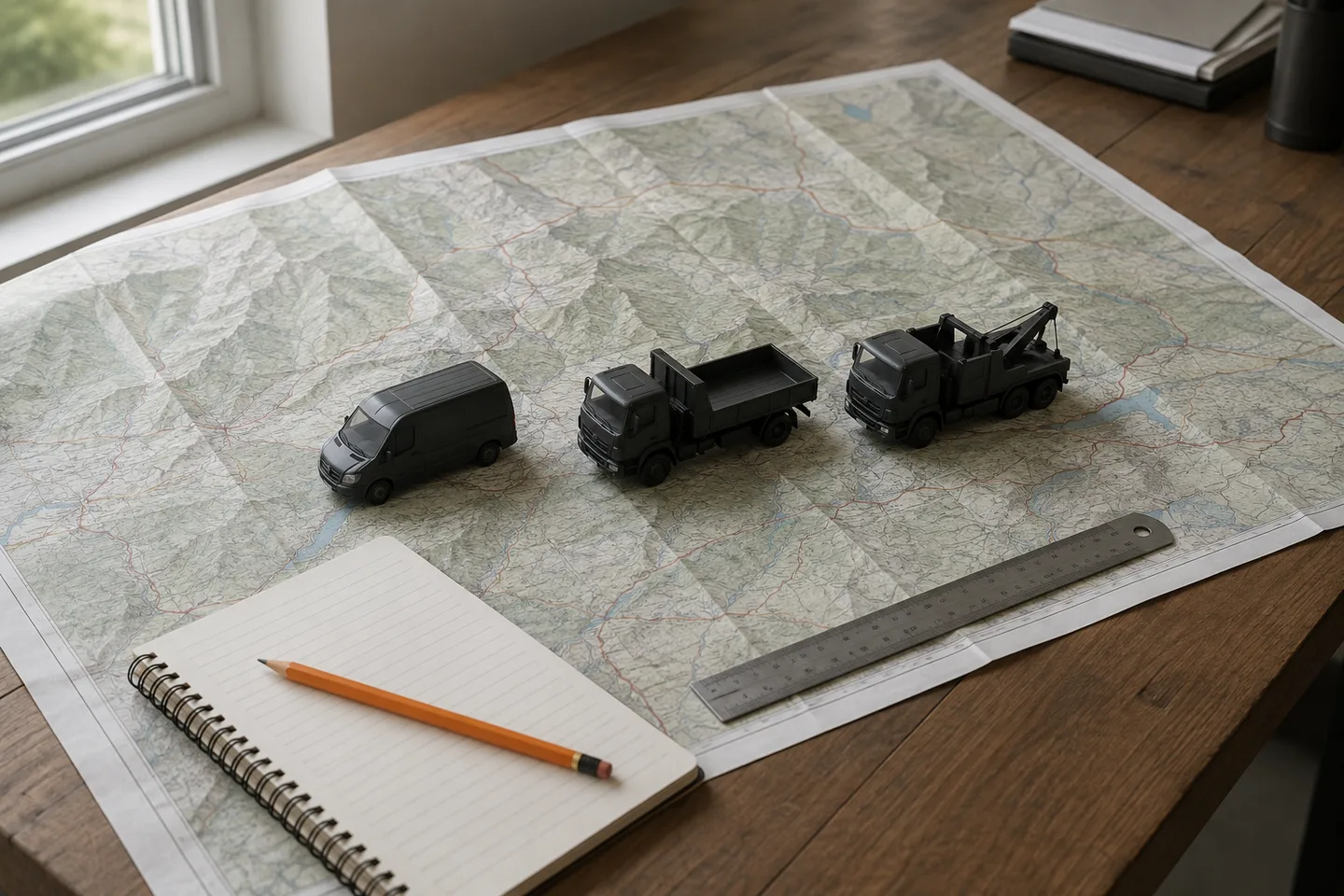
Emergency Response Fleet Planning
Plan vehicle roles around incident demand and response coverage. Test the fleet against available crews and support systems, with route and destination limits in view.
Work through vehicle selection, specifications and quotations, with practical guidance on inspection and handover.
Start with the question you need to answer next.
Browse all guidesPlan vehicle roles around incident demand and response coverage. Test the fleet against available crews and support systems, with route and destination limits in view.
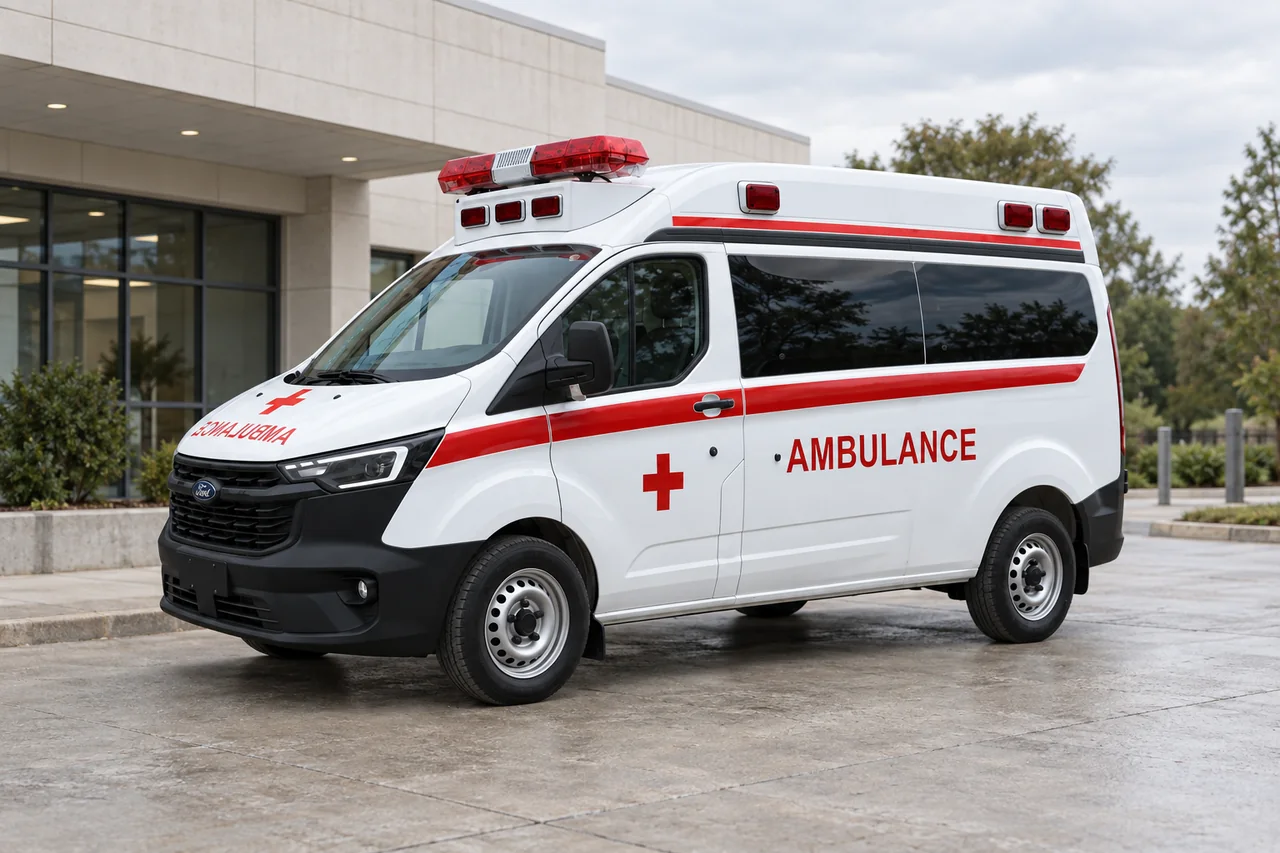
Choose an ambulance around the care needed during transport. Check the crew and equipment layout, then utilities, payload, cleaning and destination requirements.
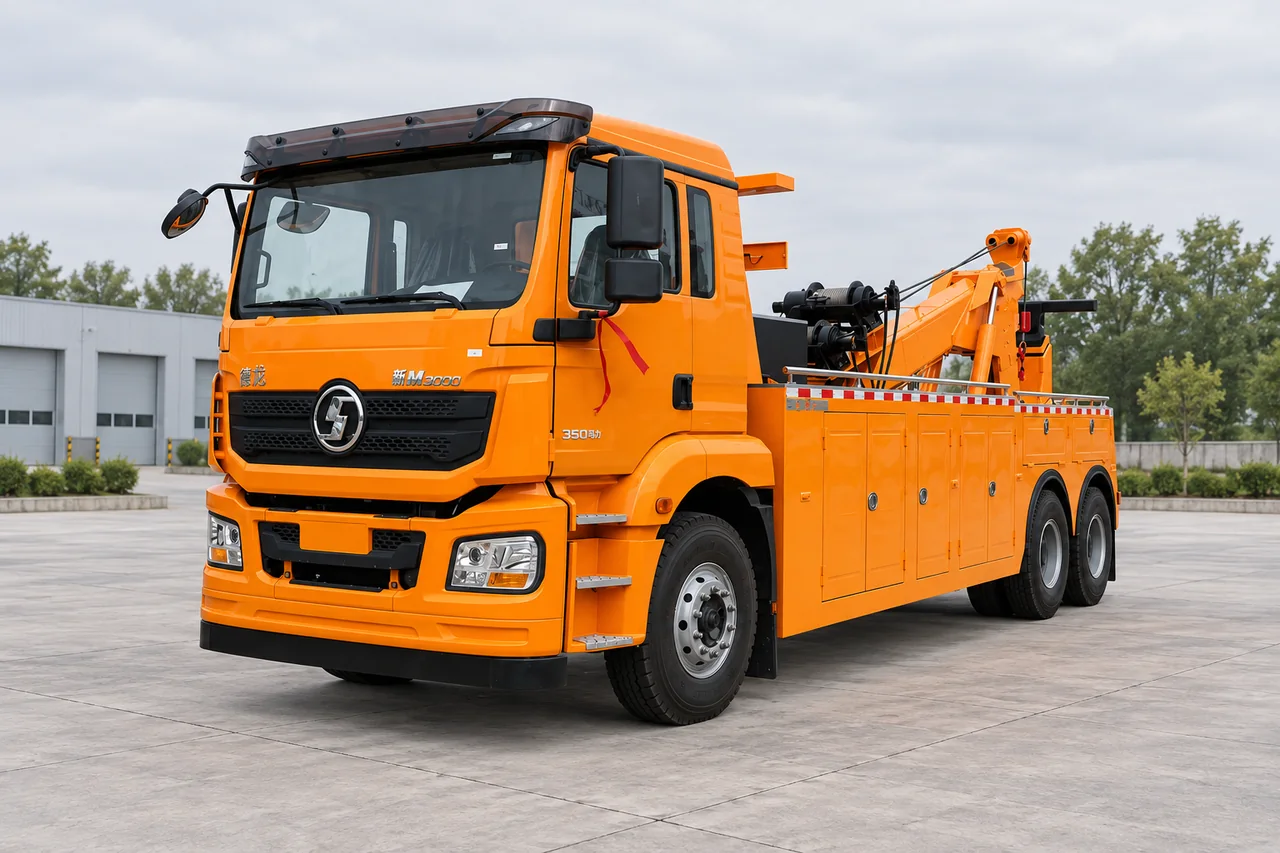
Choose a recovery vehicle for the disabled vehicles and load cases it must handle. Check route and setup limits, specify rigging and restraints, and agree demonstrations.
Start with the vehicle duty, then work through the RFQ, quotation and acceptance requirements. Each guide provides its sources and review status.
Match the firefighting system to the hazard and water or agent duty. Check that the completed vehicle fits the site and crew workflow, and agree the acceptance tests.
Specify the load a power truck must supply, the duty a drainage pump must meet or the repairs a workshop must support. Allow for deployment and servicing at the site.
Plan the workspace and communications around agency roles and deployment. Specify radio and network interfaces alongside power, cooling and security needs.
Compare aerial vehicles at the work position and basket load you need. Check the reach path, then ground support, route access and any insulation requirements.

Compare quotations for the same operating duty and included scope. Check the supporting evidence and exceptions, then establish responsibility for destination requirements and support.
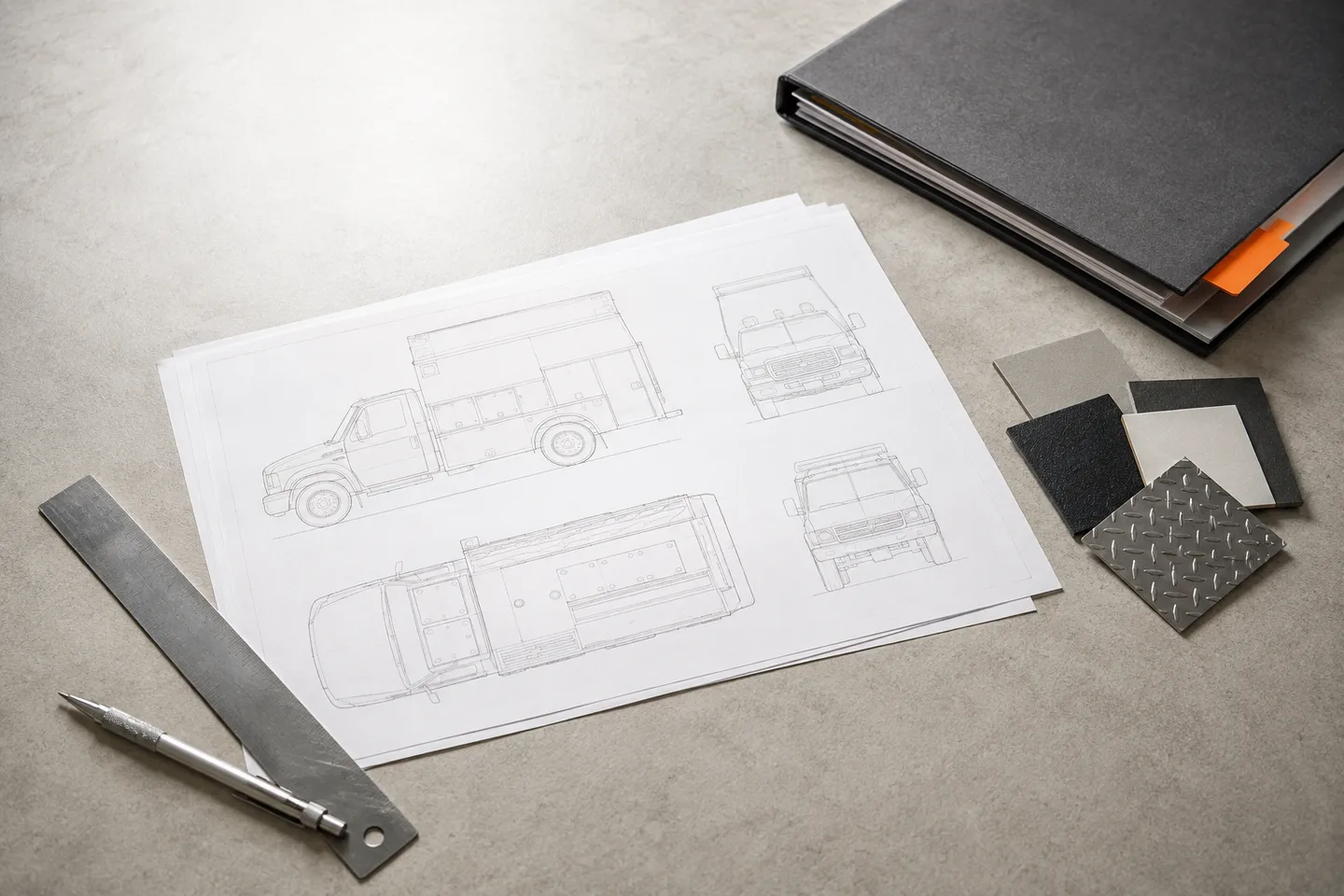
Write an RFQ that suppliers can price against the same duty and equipment scope. State chassis limits, document requirements and exclusions, with a clear acceptance method.
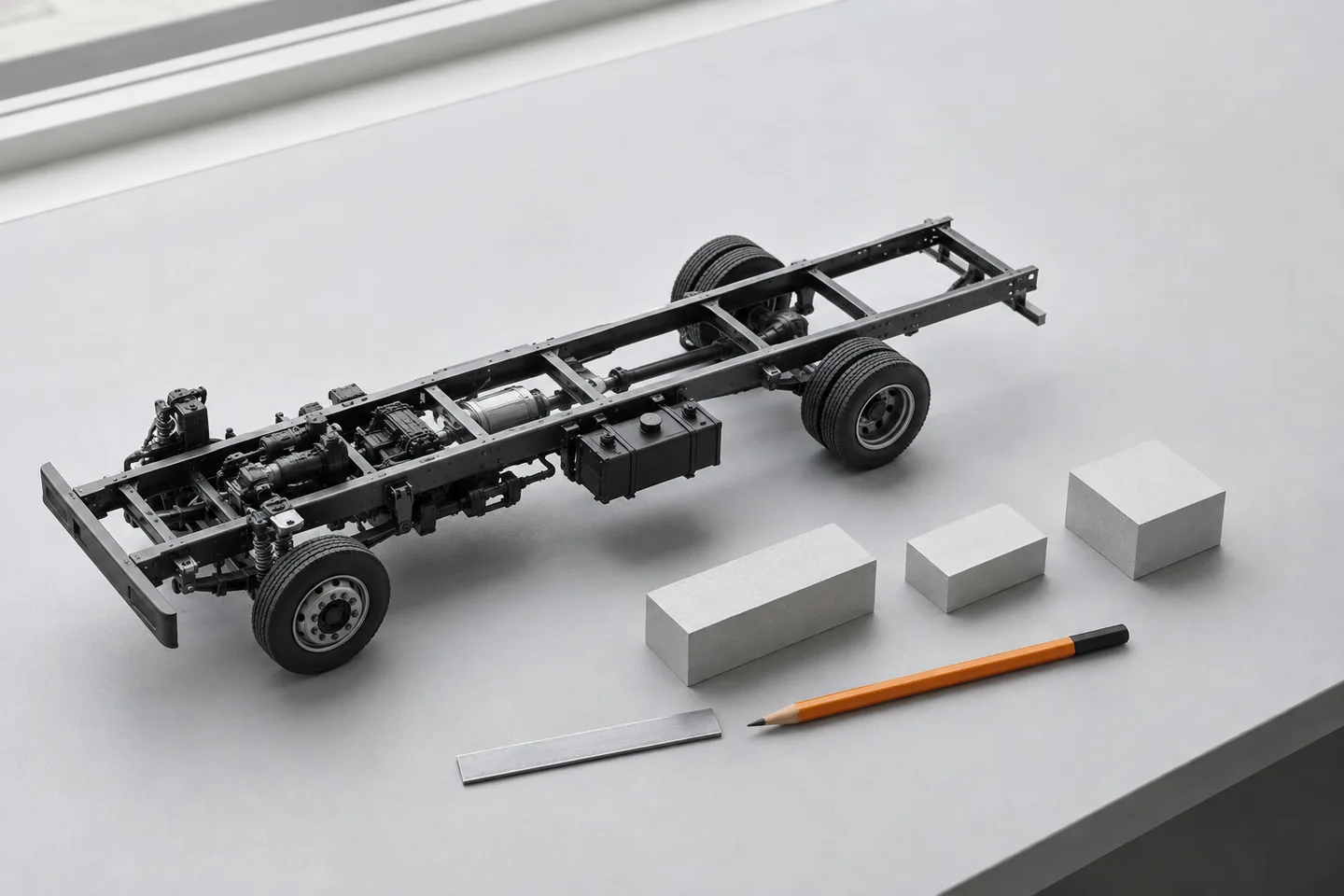
Choose a chassis for the completed vehicle and its operating load. Check GVW, axle loads and remaining payload against the route and worksite.
Check the finished vehicle against its approved specification before shipment. Verify its identity and equipment, witness agreed tests and resolve or record exceptions.
Give each supplier the same starting brief. Separate confirmed requirements from open decisions so a lower quotation does not simply reflect a smaller scope.
Adapted for Rescue procurement from KEEYAK’s buying process. Payment, delivery and approval terms must be confirmed in the quotation or contract.
Keep the approved scope and later changes with the project documents through to release. Agree shipping and after-sales responsibilities in the contract; do not assume a standard package includes them.
Describe the work, the vehicle you need and any questions you still have. Send your brief to our team.