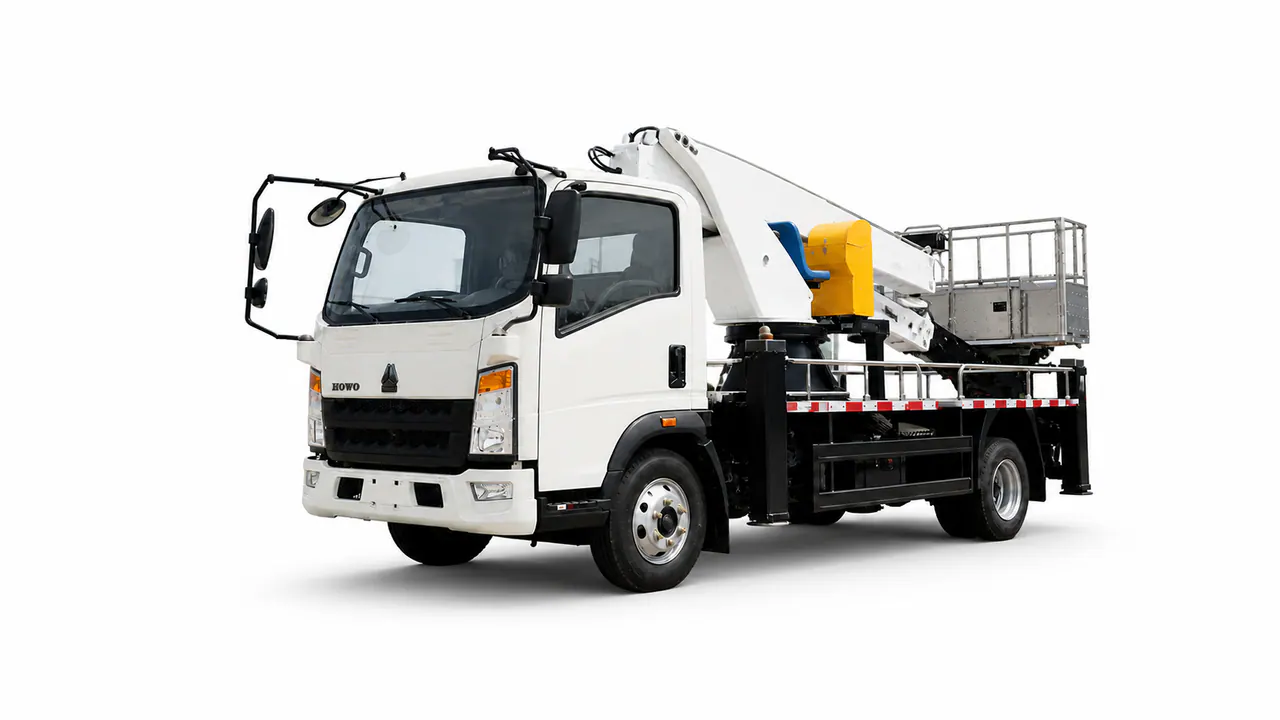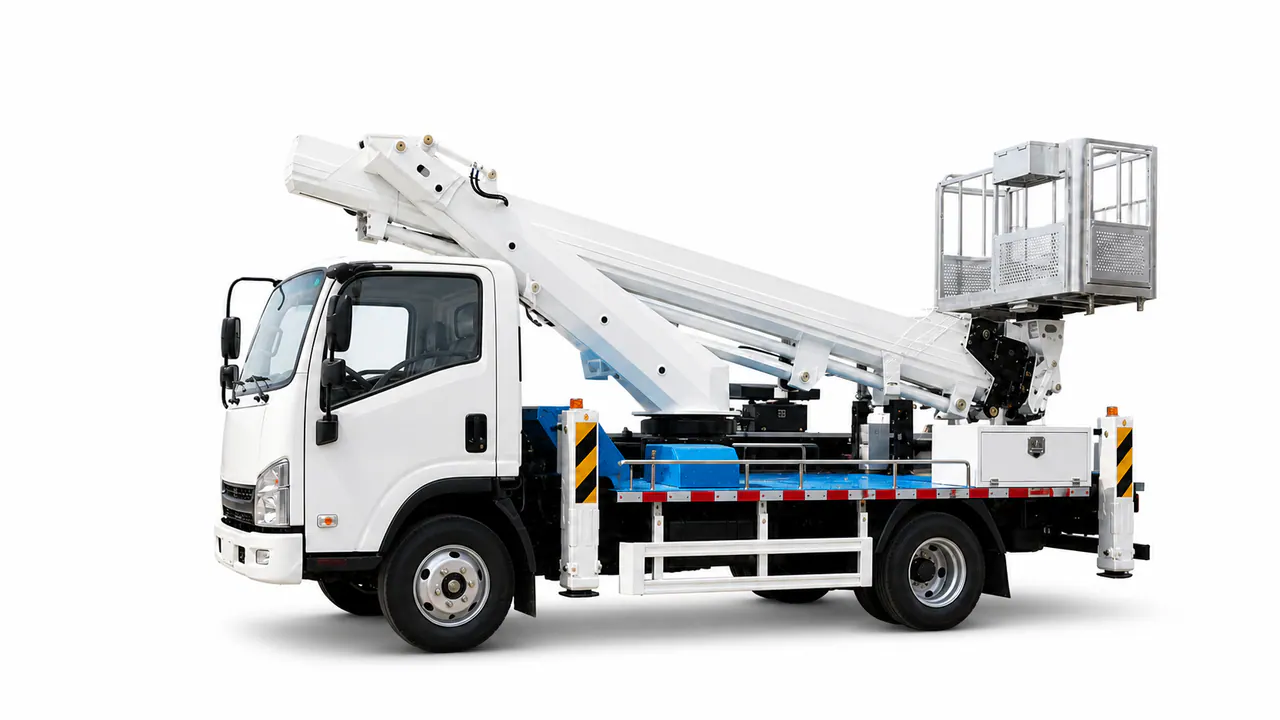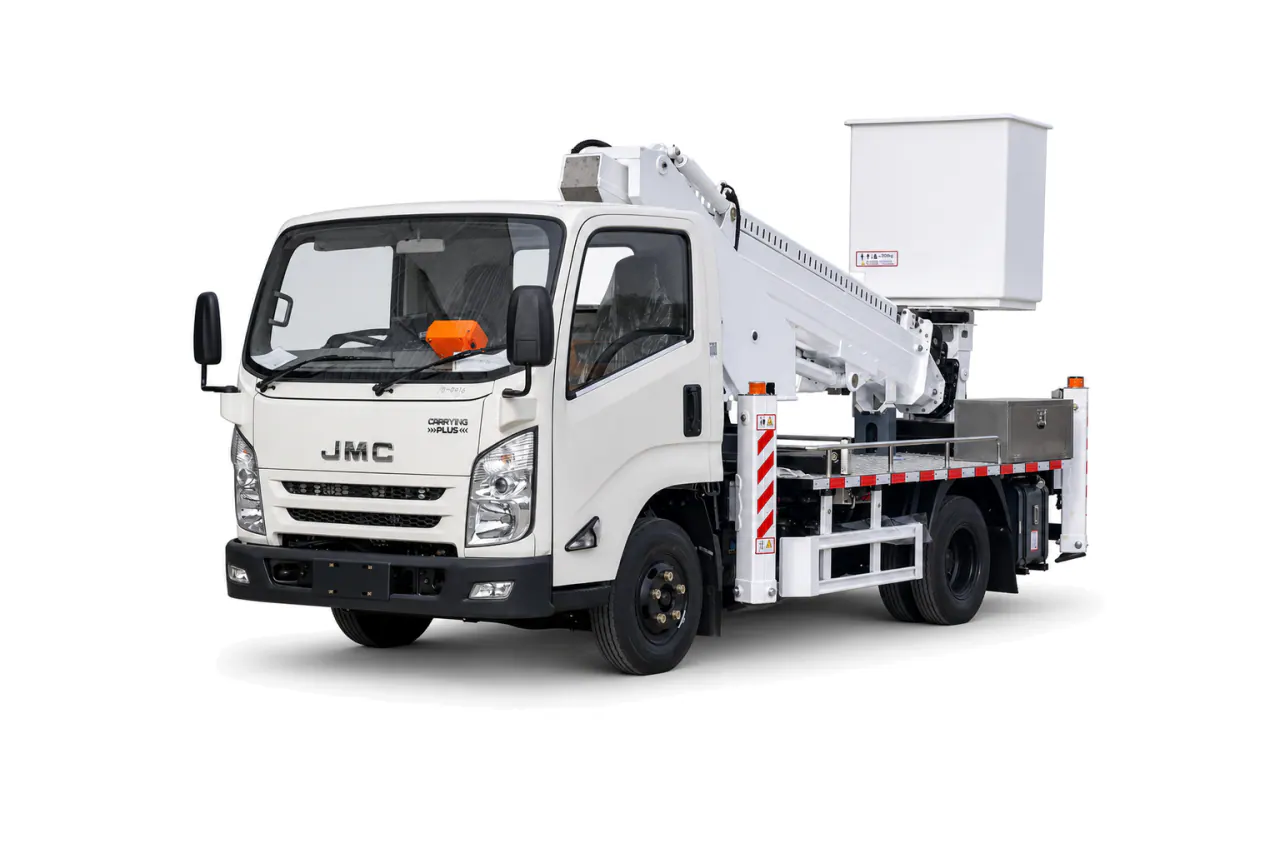
Insulated Aerial Work Platform Truck
Electrical clearance and insulation class guide the choice of an insulated aerial platform. Agree the test method, then check basket load, working envelope and site access against destination rules.
Choose utility vehicles around the work position and restoration sequence. Check reach at the intended basket load, then electrical requirements, ground support and route access.
Prepare this mission briefStart with the main job the vehicle must do. Include supporting vehicles when the response plan gives them a specific role.
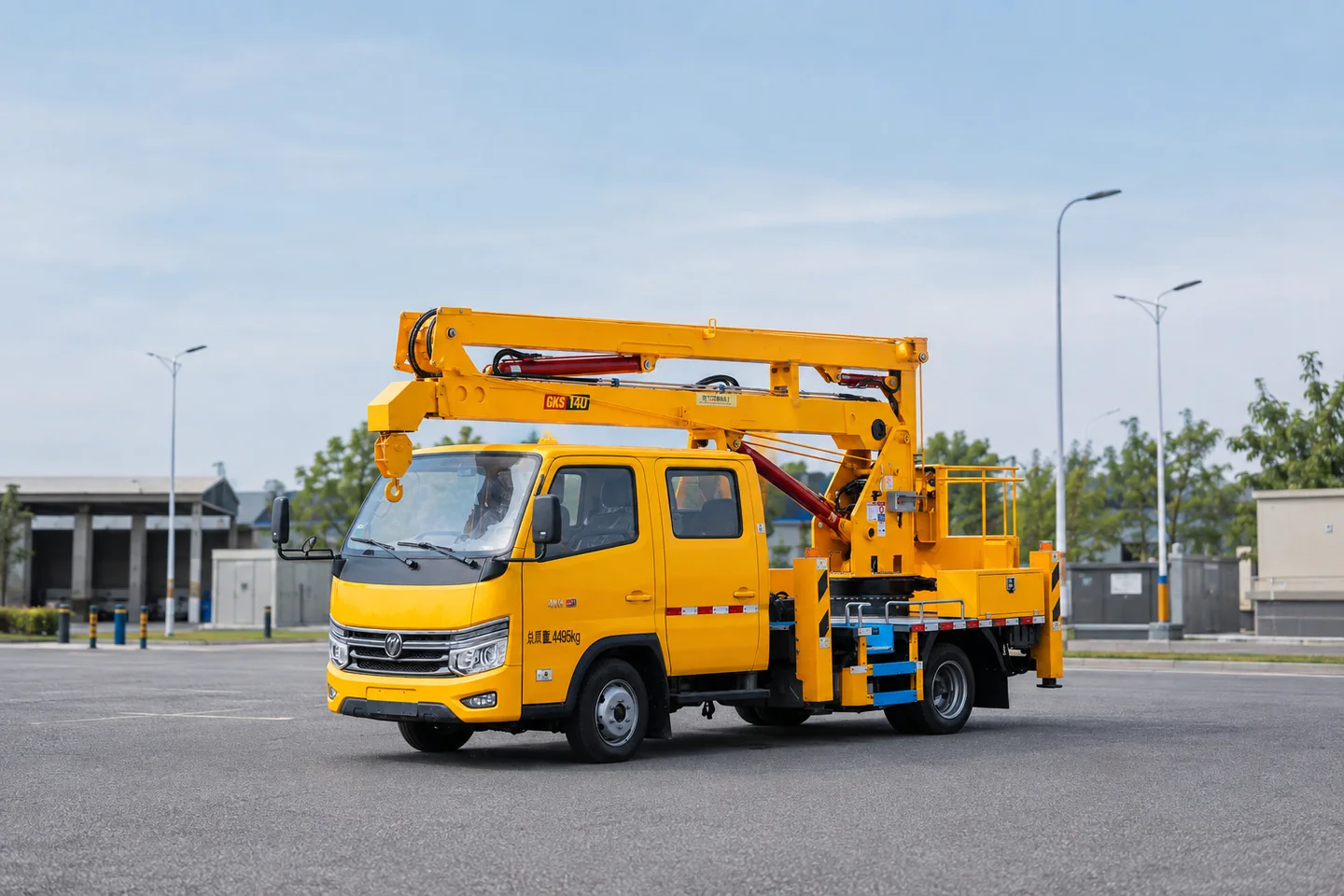
Electrical clearance and insulation class guide the choice of an insulated aerial platform. Agree the test method, then check basket load, working envelope and site access against destination rules.
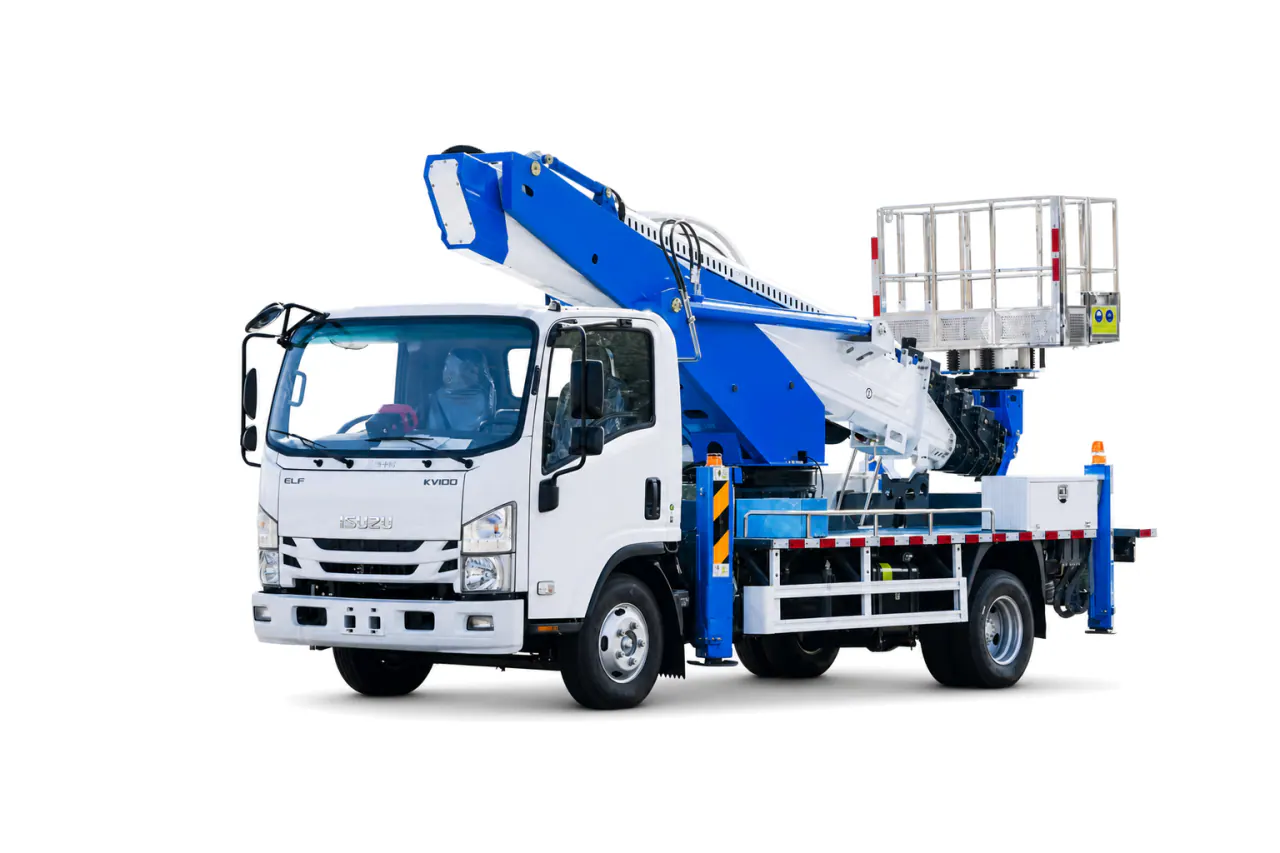
A telescopic-boom platform provides direct elevated access. Compare height and outreach at the required basket load, then check stabilizer spread, ground pressure and transport limits.
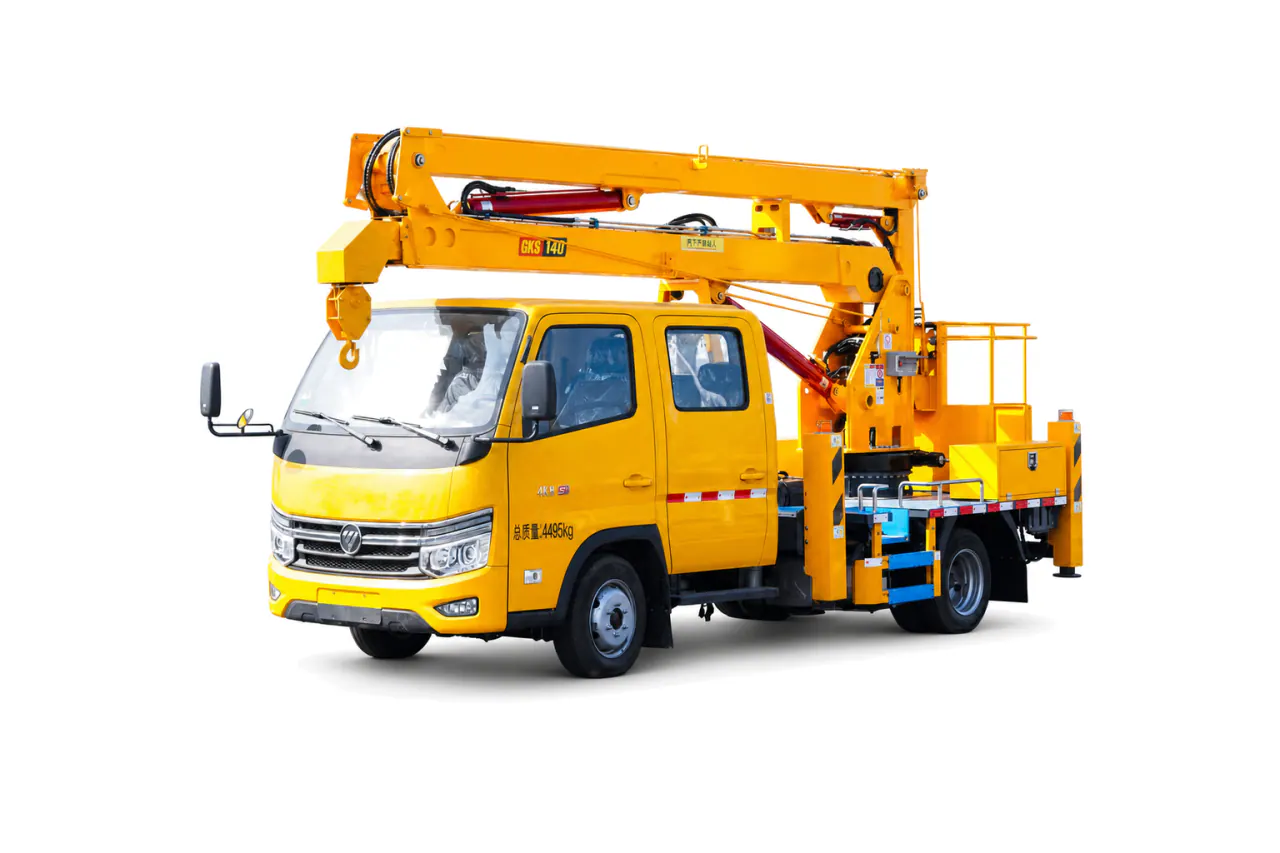
An articulating boom can reach around obstacles. Before choosing the chassis, check the reach path at the required basket load, the space for stabilizers and access along the route.
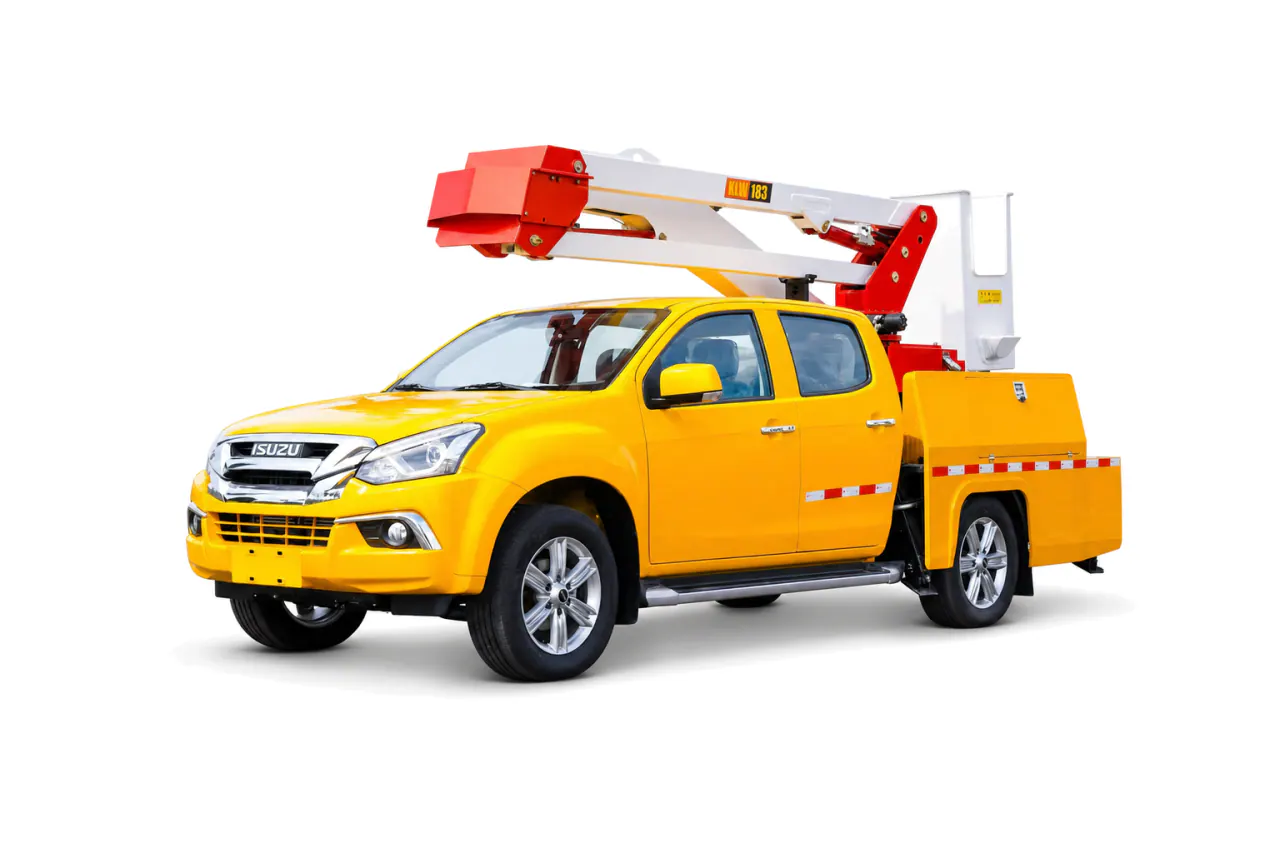
A pickup-mounted platform suits lighter utility and maintenance work. Check the payload left after installation, working envelope and stabilizer setup, allowing room for tools and access along the route.
Define the utility work position and the electrical or infrastructure hazard, then describe the restoration sequence. KEEYAK reviews access equipment and any insulation requirement for that job. Power and workshop support depend on the task and route constraints; an aerial vehicle is not automatically rescue apparatus.
| Decision | Why it matters | What to provide |
|---|---|---|
| Work position and hazard | Height, outreach, insulation and tools determine the access system and operating procedure. | State work points, electrical conditions, basket load and required tools.Retain: Envelope, insulation basis, equipment schedule and test method. |
| Route and setup | Vehicle access, stabilizer footprint and ground conditions can limit the work position. | Provide route, overhead hazards, ground, traffic and setup space.Retain: Route assumptions, stabilizer checks and completed dimensions. |
| Restoration support | Power, workshop and command support are conditional on duration and site spread. | Define runtime, parts, tools, crew and coordination needs.Retain: Support scope, load schedule and handover record. |
Choose the aerial platform from the actual work position, obstacle path and basket load. An insulated platform is relevant only when its insulation class, test method and operating procedure match the electrical duty. Compare telescopic and articulating booms against the path needed to reach the work position. A pickup-mounted platform can suit lighter work where maneuverability controls the choice.
Use the expected restoration duration to assess connected loads and repair needs. These determine whether a power or workshop vehicle is required. Add command support when the multi-agency workflow requires a separate coordination role.
Choose equipment for the agreed work, then specify its connections and the records needed to check it.
Use these steps to prepare the configuration and acceptance brief, not as a field operating procedure.
Map the work positions, horizontal reach and obstacles.
Set basket occupants, tools, material load and electrical clearance.
Define insulation class, work method and test requirement where applicable.
Check stabilizer geometry, ground reactions, slope and transport route.
Agree controls, emergency lowering, inspection and operator handover records.
This example is for planning, not a standard utility fleet. Review network assets and work positions against the electrical procedures. Choose vehicles and quantities for the response coverage, with crew and maintenance capacity considered. Check destination rules before settling the specification.
Add these vehicles only where the response plan identifies a separate duty.
Emergency Power Supply TruckMobile Workshop TruckEmergency Command VehicleUse only where the intended task, equipment configuration and operating conditions are documented.
Truck-Mounted Aerial LadderReview the relevant selection and procurement guidance before finalizing the brief.
Elevated Rescue and Utility Access SelectionEmergency Support Vehicle SpecificationThese records document their own vehicles and scope; they do not establish performance for a new mission.
Bring the operating duty, equipment scope and destination requirements into one configuration brief.
Send your mission requirements to our team.