
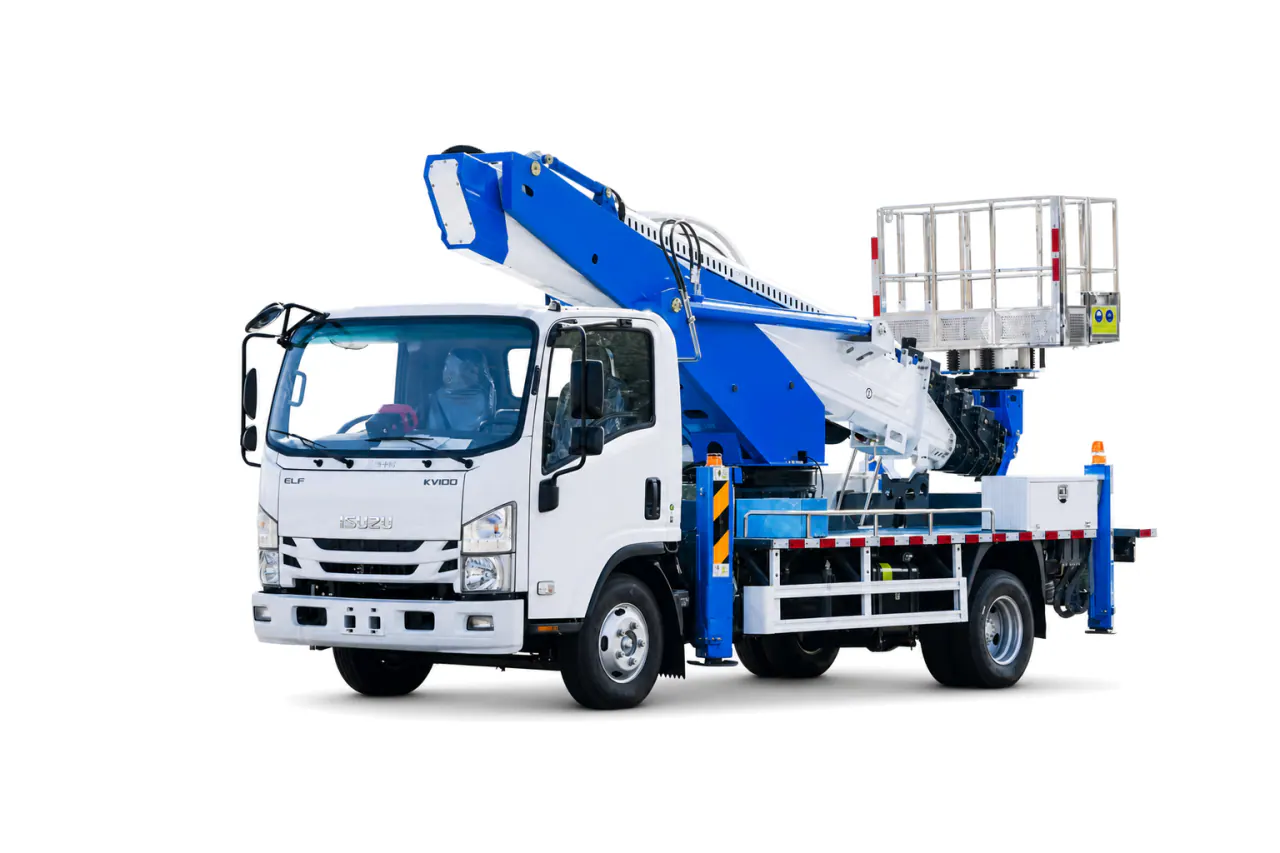
Telescopic-Boom Aerial Work Platform Truck
Utility and streetlight work. Facade and sign maintenance.
- Working Height
- 9–70 m
- Bucket Capacity
- 200/400 kg
- Boom structure
- 3–9 sections telescopic boom
Choose an aerial platform or ladder for the positions your crew must reach. Check outreach and basket load against the site geometry, ground conditions and required safety tests.
Prepare a configuration brief
Compare the operating roles and published values below. The selected chassis, equipment and working conditions define the specification for your order.
Utility and streetlight work. Facade and sign maintenance.
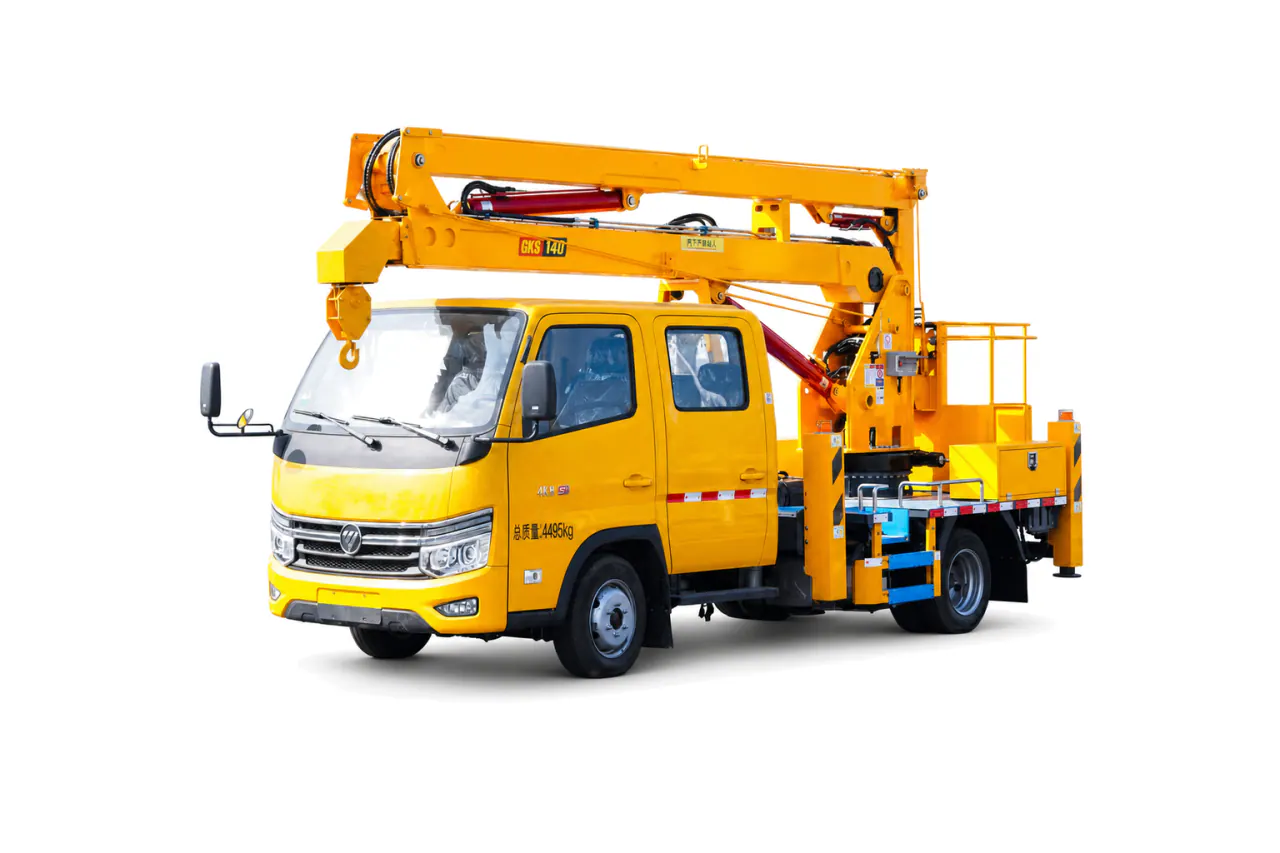
Tree and facade maintenance. Industrial plant access.
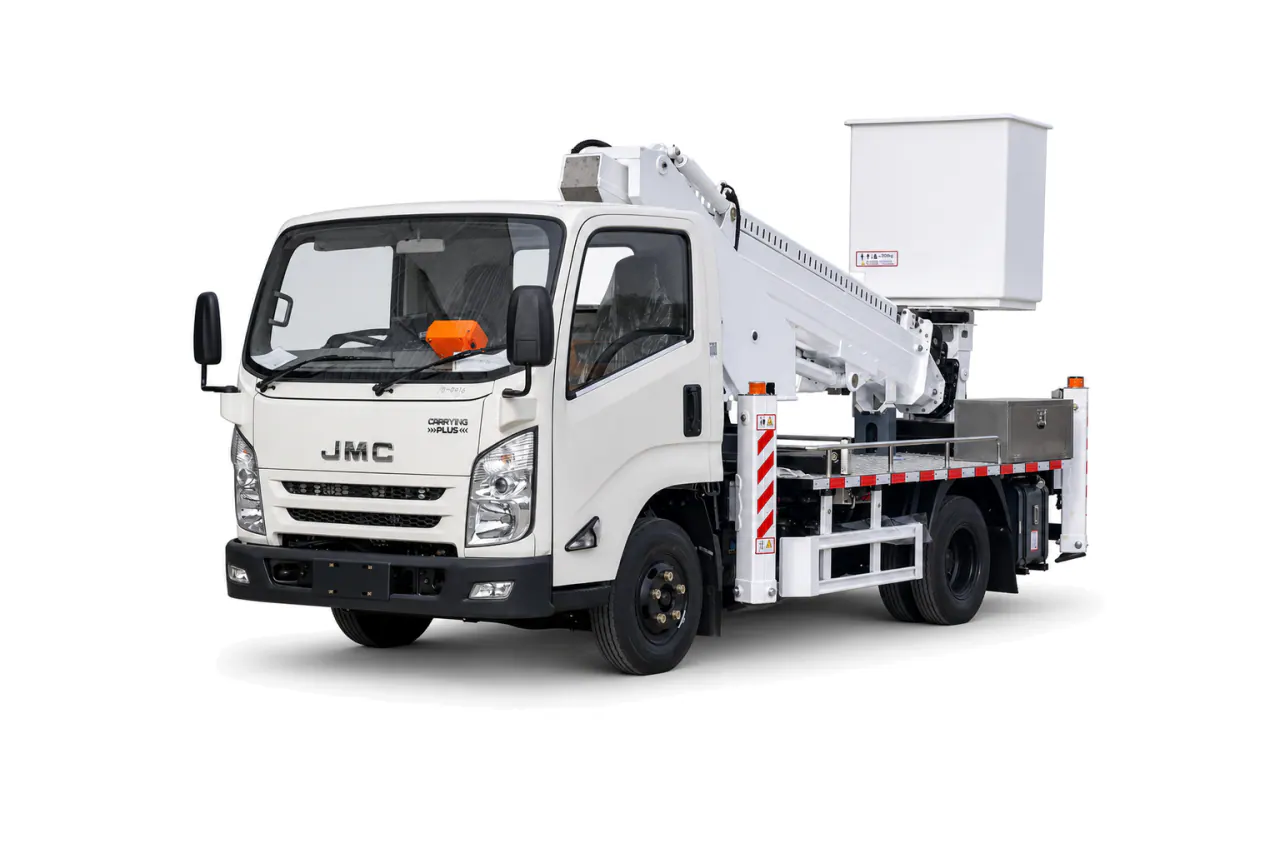
Power-line maintenance. Substation and utility access.
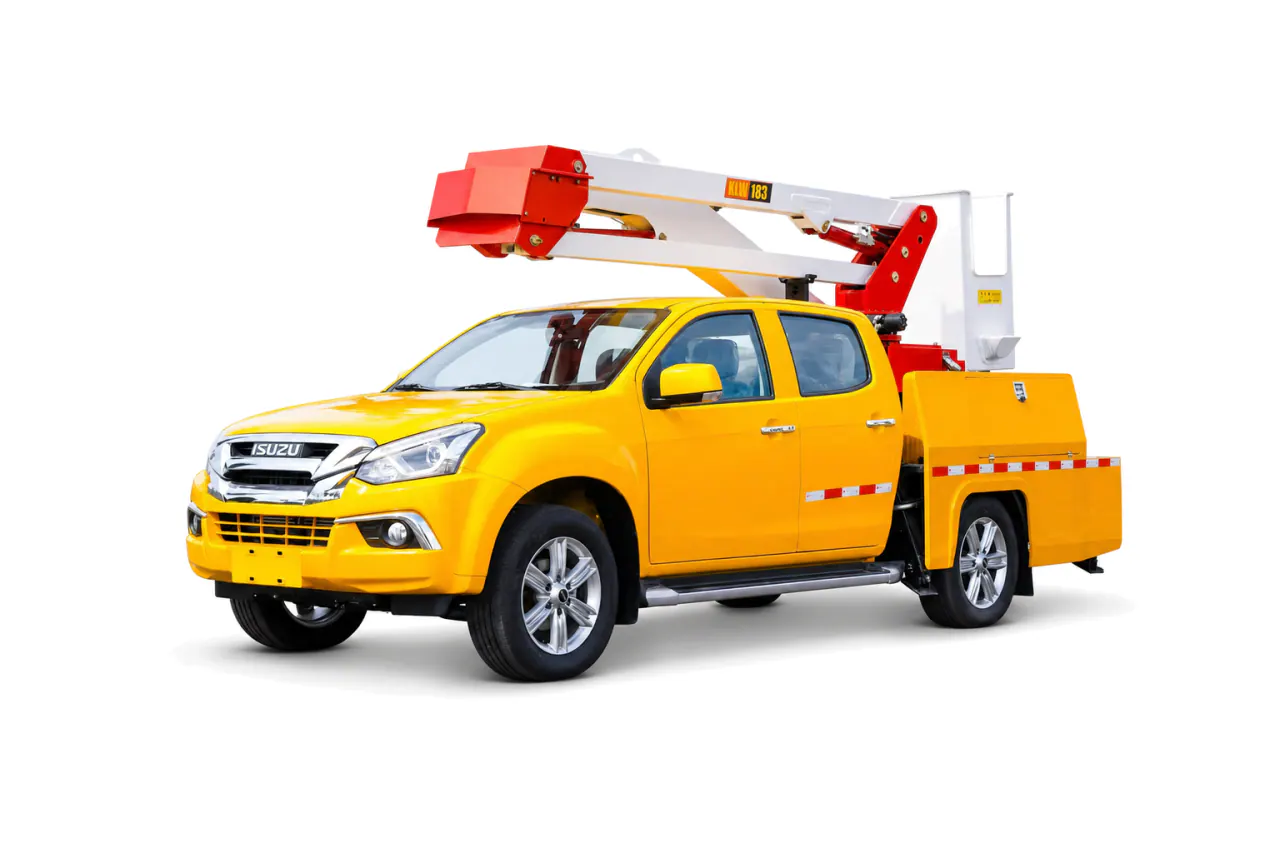
Streetlight and sign work. Tree care and facilities maintenance.
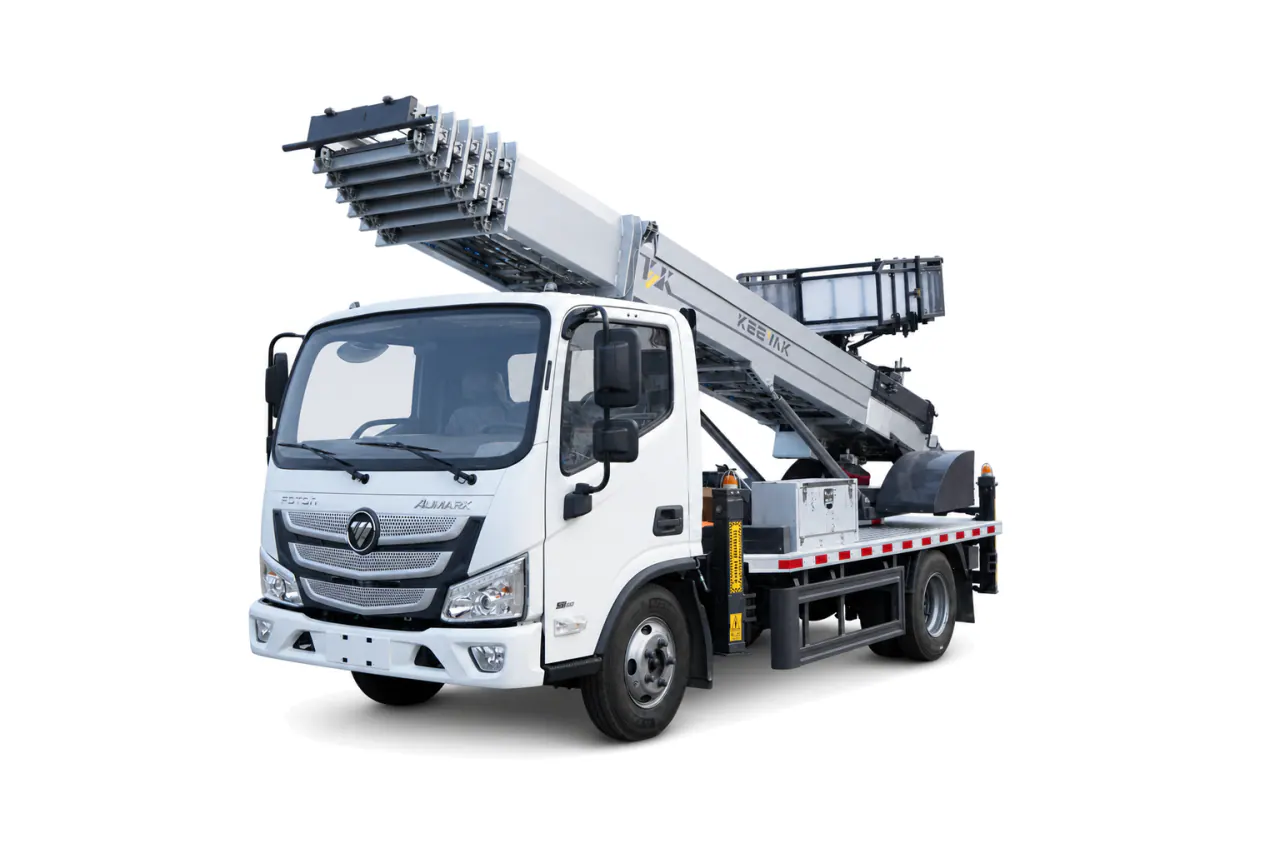
Building access. Evacuation support.
| Vehicle type | Operating roles | Configuration focus |
|---|---|---|
| Telescopic-Boom Aerial Work Platform Truck | Utility and streetlight work; Facade and sign maintenance; Telecom and municipal access | Reach chart and basket load; Stabilizer spread and ground pressure |
| Articulating-Boom Aerial Work Platform Truck | Tree and facade maintenance; Industrial plant access; Over-obstacle utility work | Jointed reach envelope; Basket capacity and control system |
| Insulated Aerial Work Platform Truck | Power-line maintenance; Substation and utility access; Emergency network repair | Insulation class and test certificate; Electrical clearance and work method |
| Pickup-Mounted Aerial Work Platform | Streetlight and sign work; Tree care and facilities maintenance; Small-crew utility access | Chassis payload after fitment; Working height and outreach |
| Truck-Mounted Aerial Ladder | Building access; Evacuation support; Elevated maintenance | Access height and load chart; Ladder or basket geometry |
Height, outreach, articulation and basket load define the positions the operator can actually reach.
Stabilizer spread, ground condition, slope and traffic clearance control safe deployment.
Insulated work and non-insulated access have different equipment, testing and operating boundaries.
Map the work positions before comparing working heights. Include horizontal outreach, obstacles and the load in the basket. Telescopic and articulating booms follow different access paths; insulated platforms, pickup-mounted platforms and aerial ladders also need to be assessed for their intended use, even when their stated heights are similar.
The available setup space may be more restrictive than the nominal height. Check the stabilizer spread against ground reaction and slope, and allow for traffic clearance and overhead hazards. The completed transport dimensions can also limit access. Electrical work needs its own insulation class, test method and operating procedure.
Compare quotations at the load and working position you need. Review the stabilizer arrangement and emergency-lowering functions against the completed chassis limits. Ask for the exact model documentation and agreed test record: neither a photo at full elevation nor a maximum-height figure confirms suitability for every work position.
Typical buyers: utilities, municipalities, facility operators, contractors and emergency teams.
Check the position your crew needs to reach against the working envelope at the required basket load. Map height and horizontal outreach, allowing for obstacles and setup ground. Maximum height alone cannot confirm access to that position or suitability for rescue work.
What to provide: Provide work points, obstacles, load, tools and required movement path.
What to retain: Working-envelope chart, load basis, operating procedure and witnessed position checks.
What to provide: Describe setup footprint, ground, access route and overhead hazards.
What to retain: Stabilizer arrangement, site assumptions, emergency-lowering and safety-function checks.
What to provide: State insulation duty, transport envelope, route and destination requirements.
What to retain: Exact equipment documentation, test method, dimensions and completed vehicle records.
Bring the duty, route, crew and equipment requirements together. Send the brief to our team to discuss the configuration.