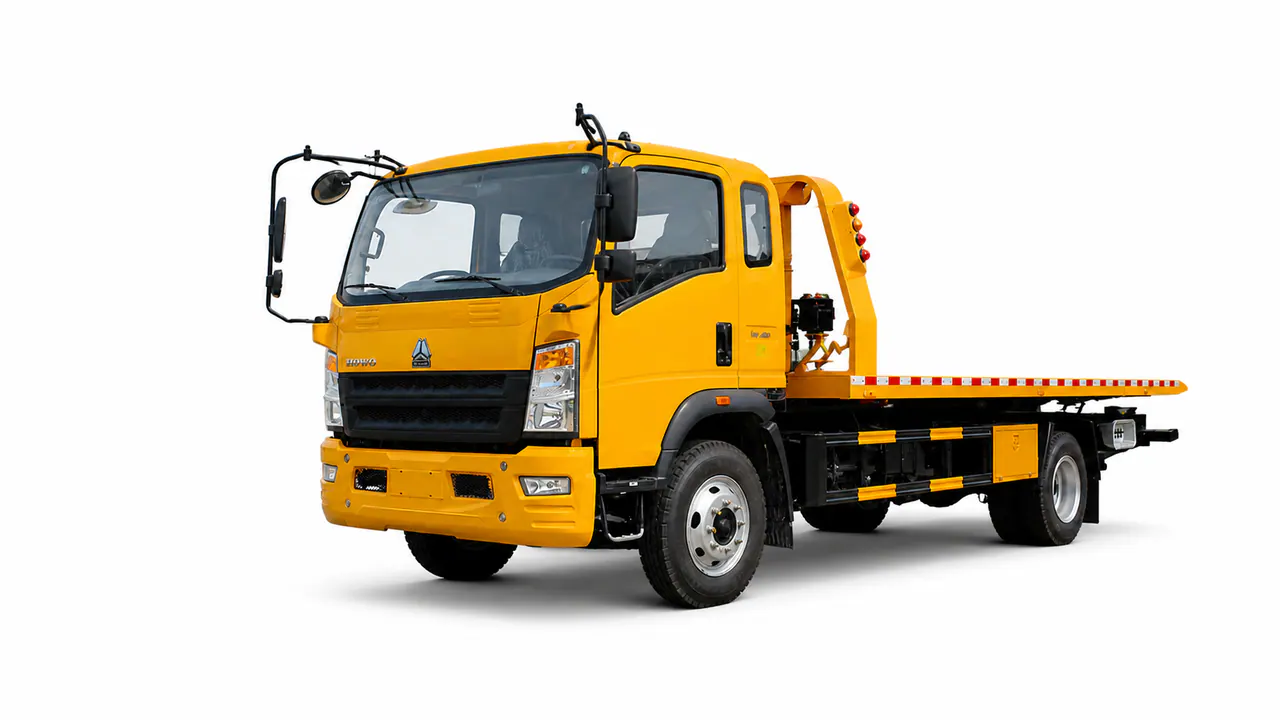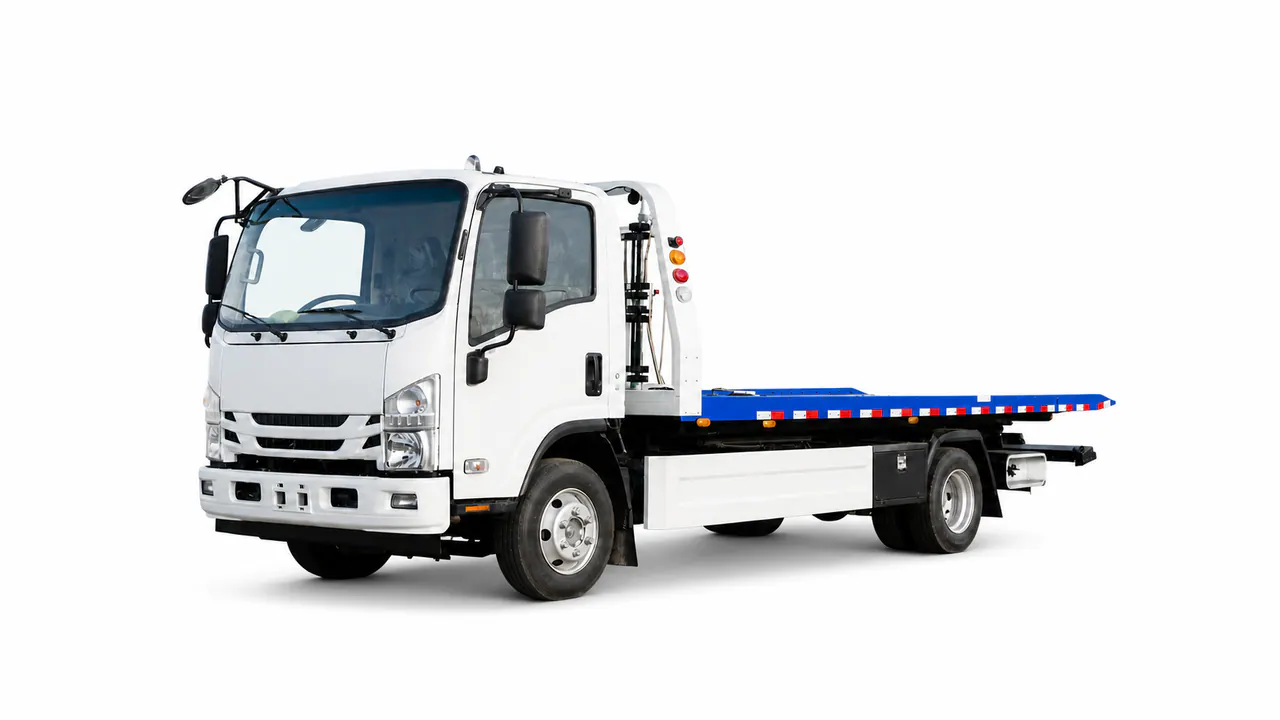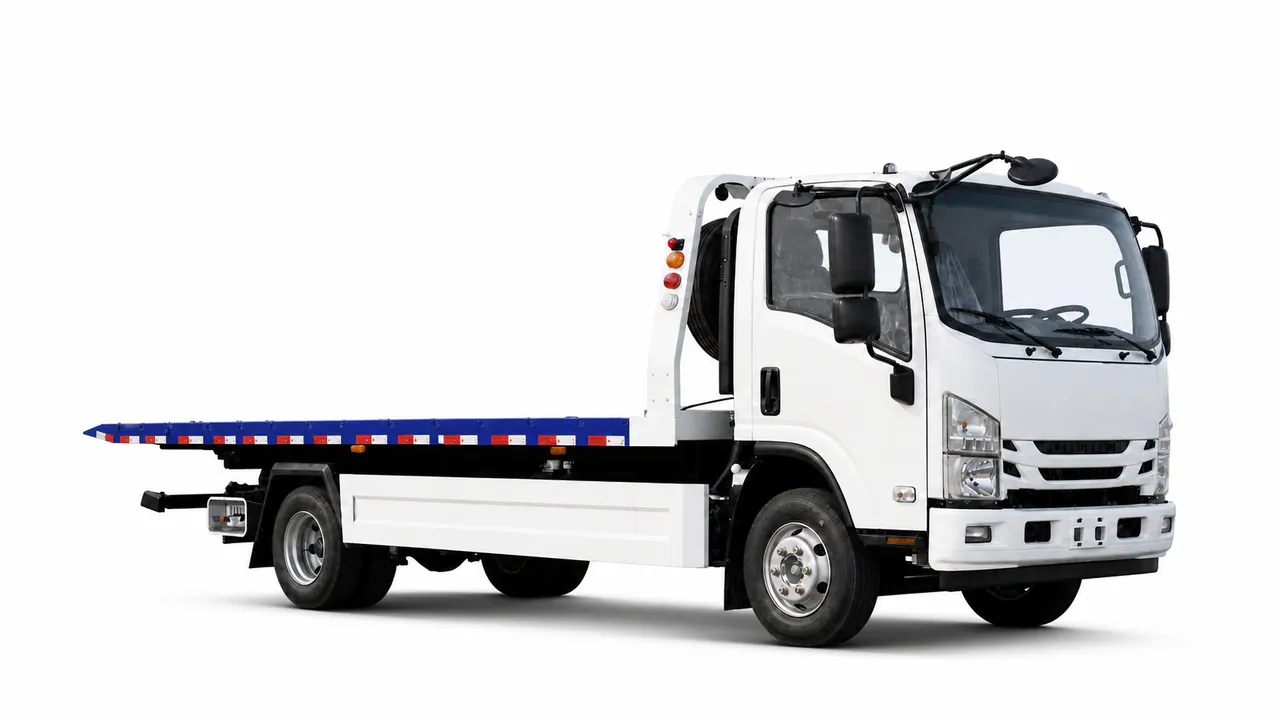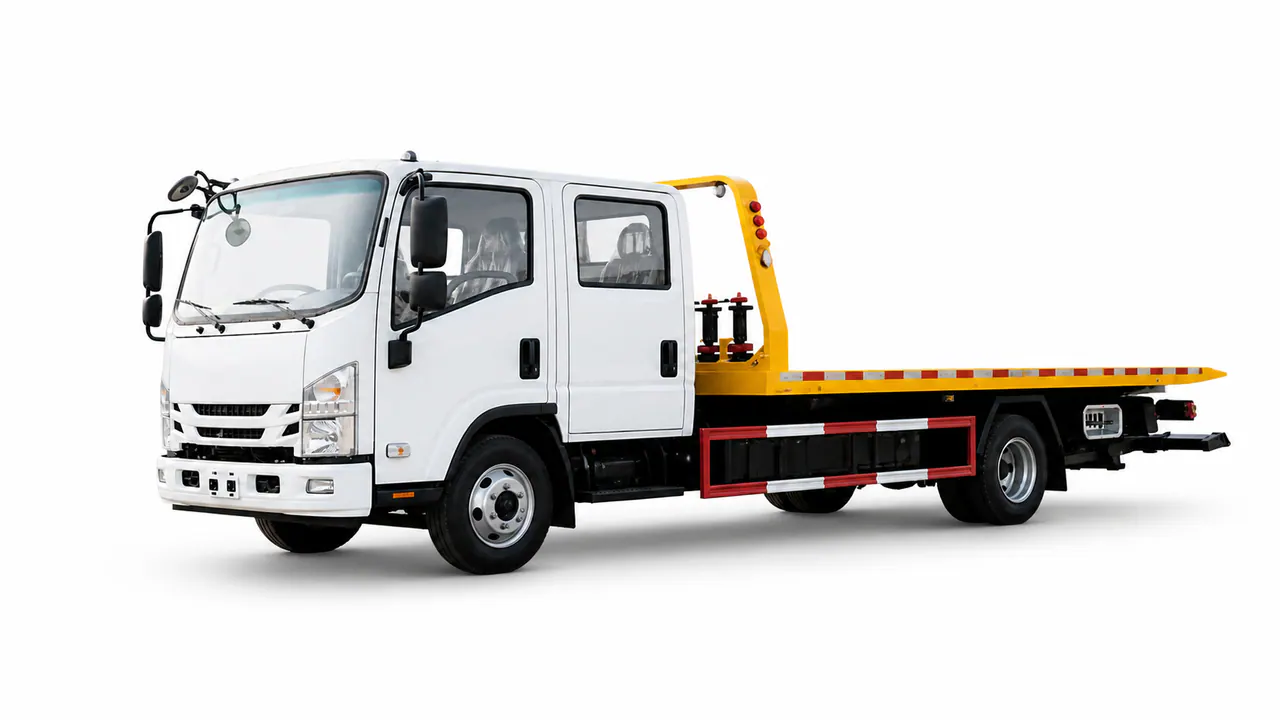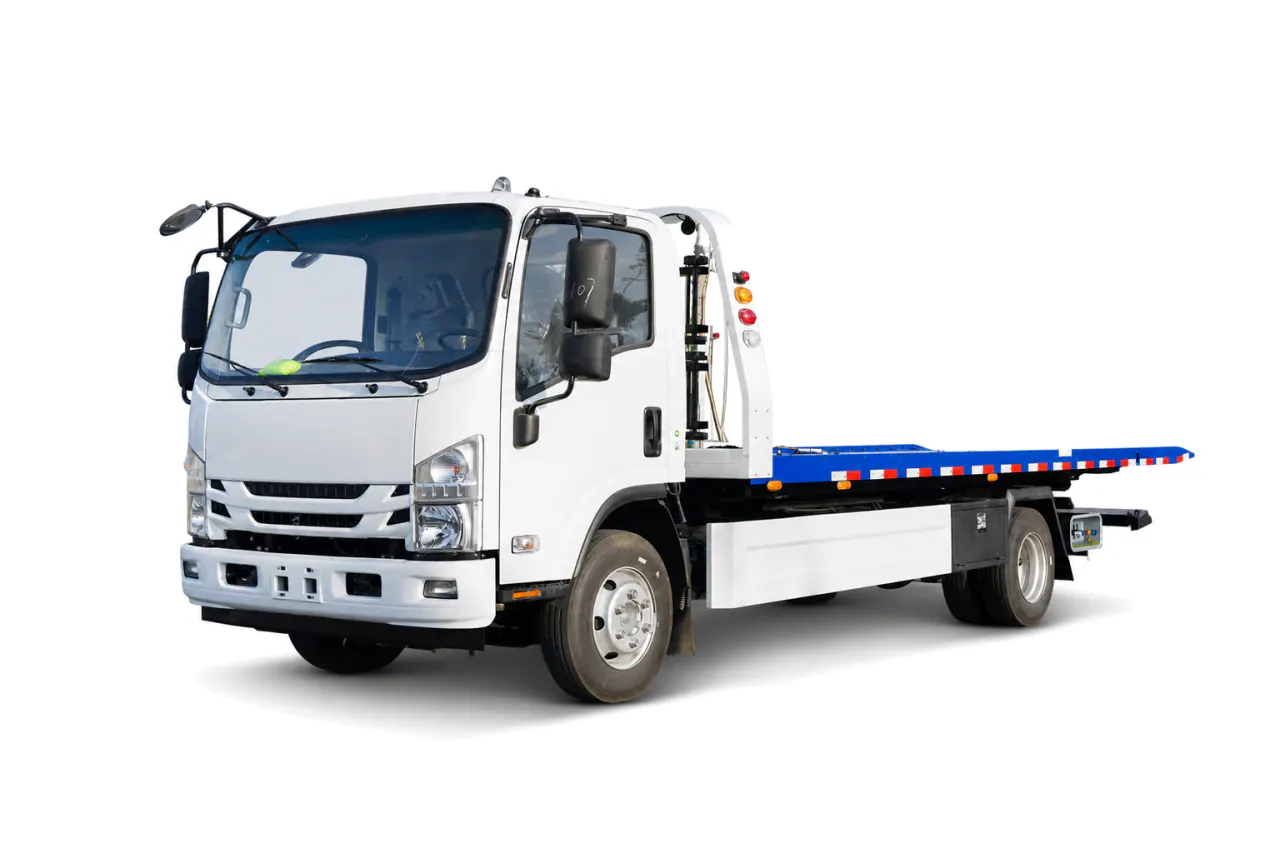
Flatbed Wrecker
The vehicles you need to transport determine deck dimensions, loading angle and payload. Check axle reserve, winch duty and restraint points as well as access along the route.
Choose a recovery vehicle for the casualty and recovery sequence. Compare each function at its required load, then check route and ground conditions, restraints and demonstrations.
Prepare this mission briefStart with the main job the vehicle must do. Include supporting vehicles when the response plan gives them a specific role.
The vehicles you need to transport determine deck dimensions, loading angle and payload. Check axle reserve, winch duty and restraint points as well as access along the route.
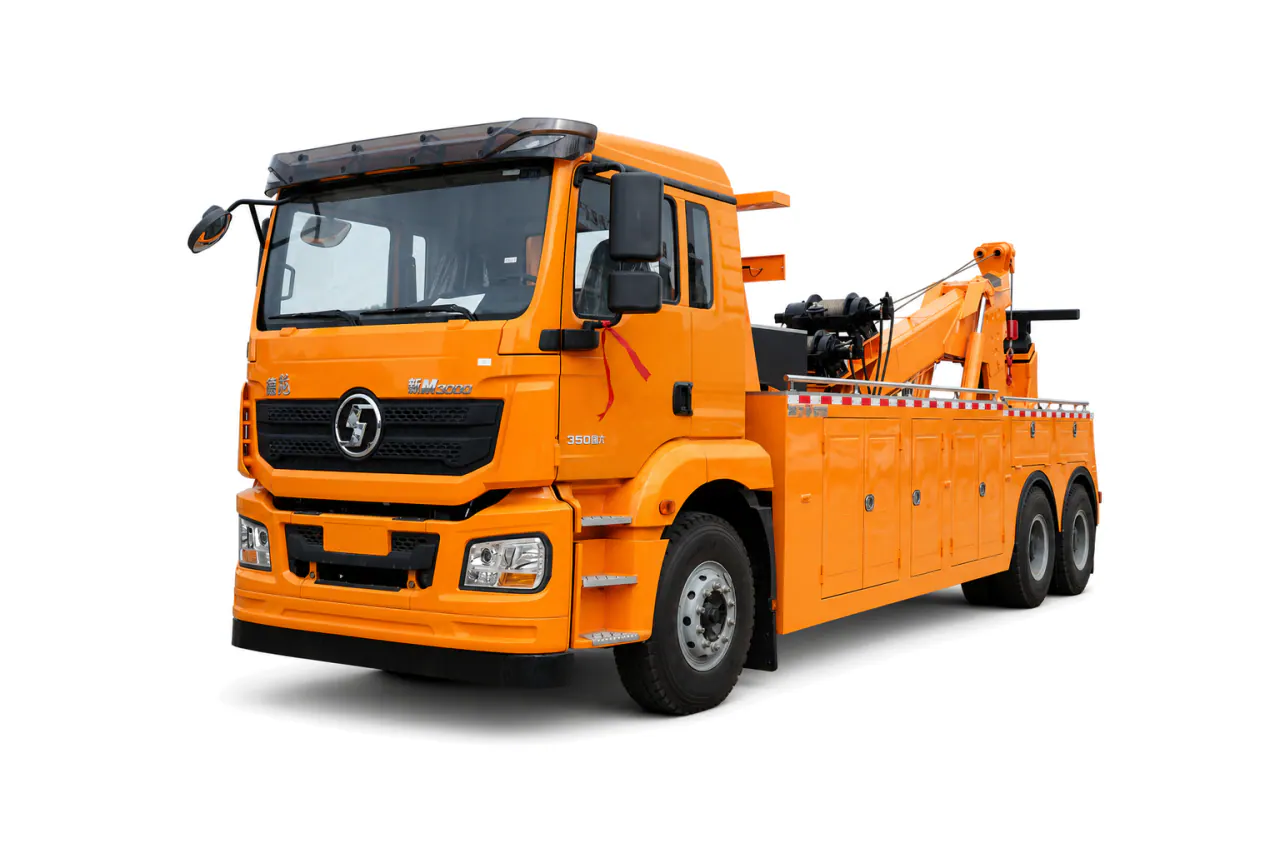
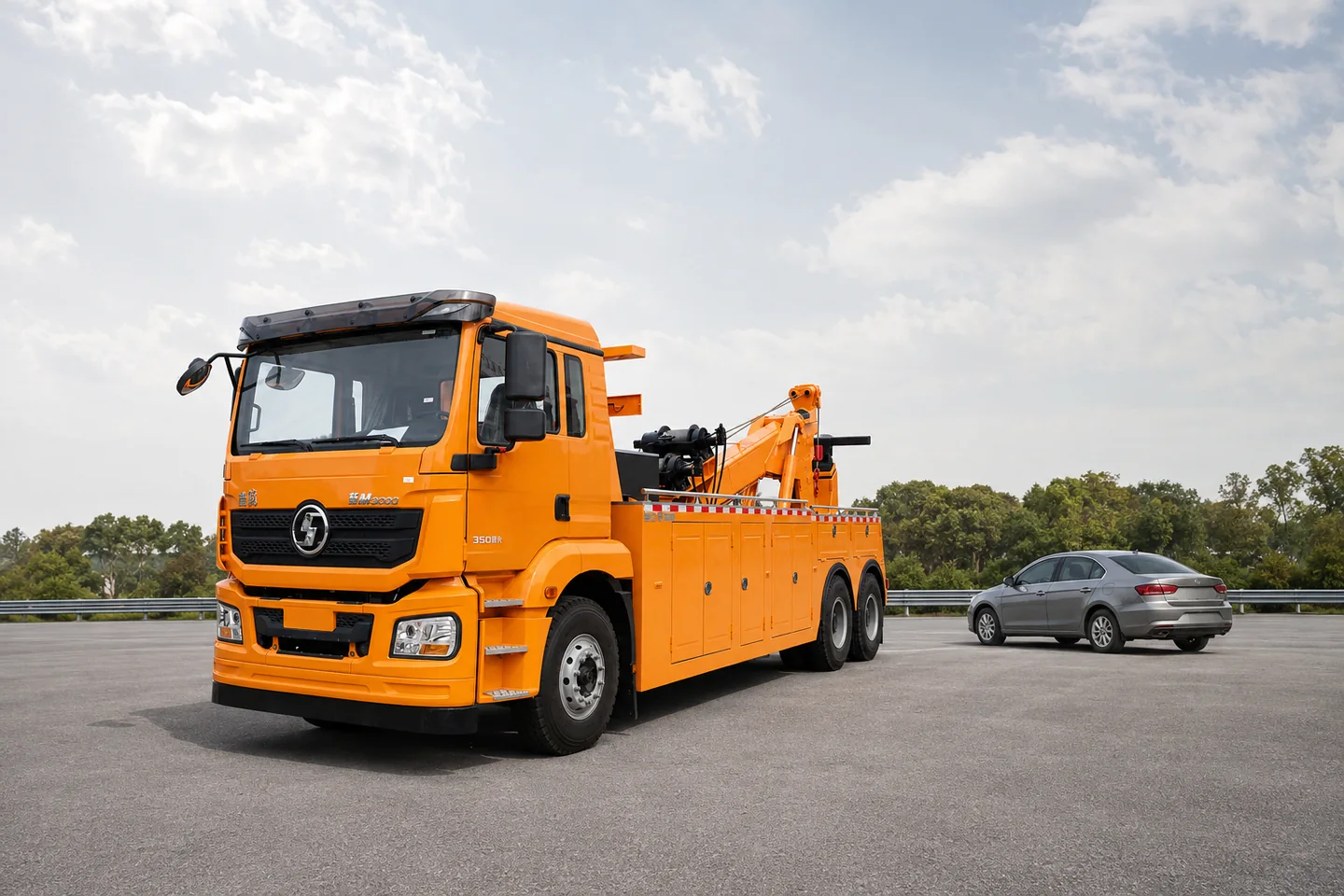
Start with the disabled vehicle and the recovery sequence. Assess towing, boom, underlift and winch loads separately, then check axle limits and route access for the integrated wrecker.
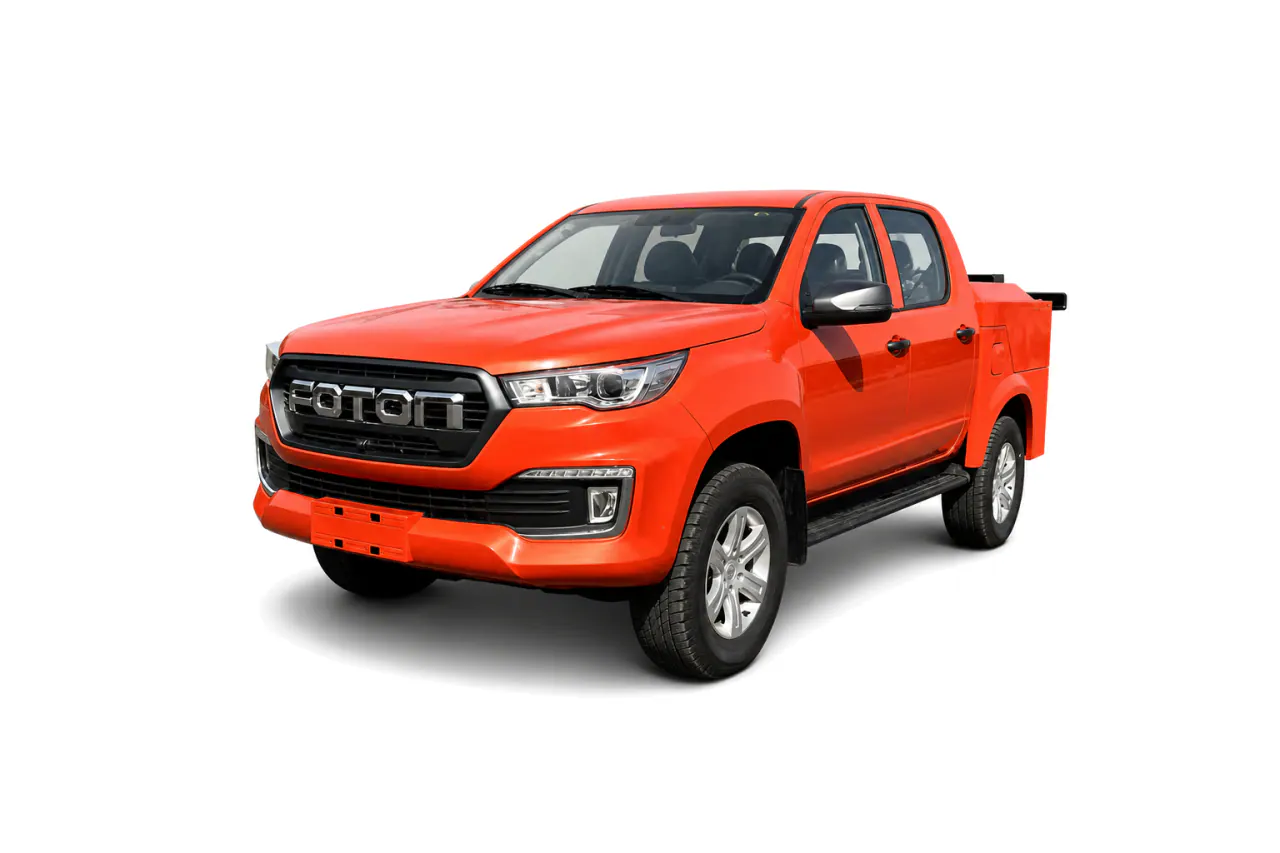
For light urban recovery, compare the pickup tow truck with the vehicles it will recover. Check wheel-lift geometry and payload reserve, along with maneuverability and the space needed to operate.
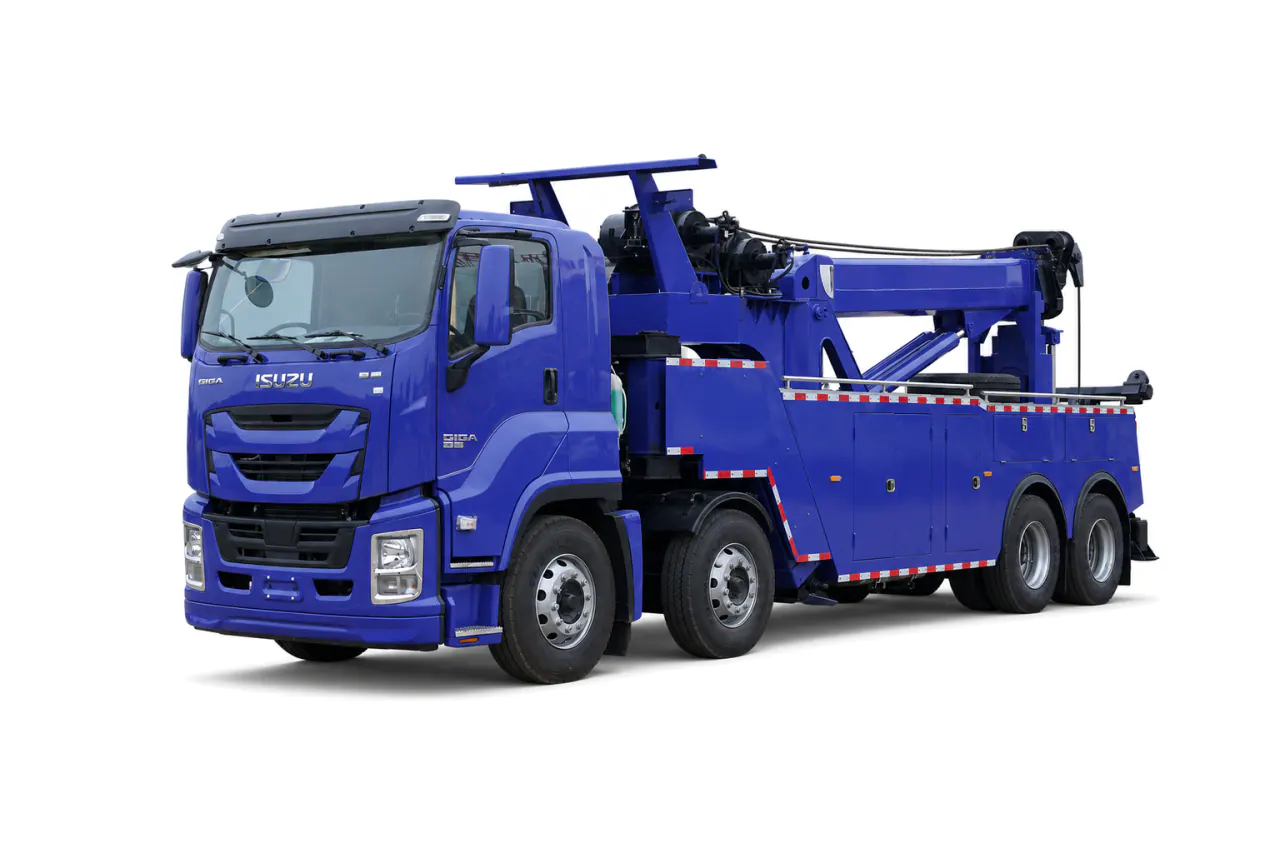
For heavy vehicles, rollovers or difficult access, agree the recovery method before choosing a rotator. Check the boom chart, outriggers, ground loads, winches and rigging, then confirm the mass for road travel.
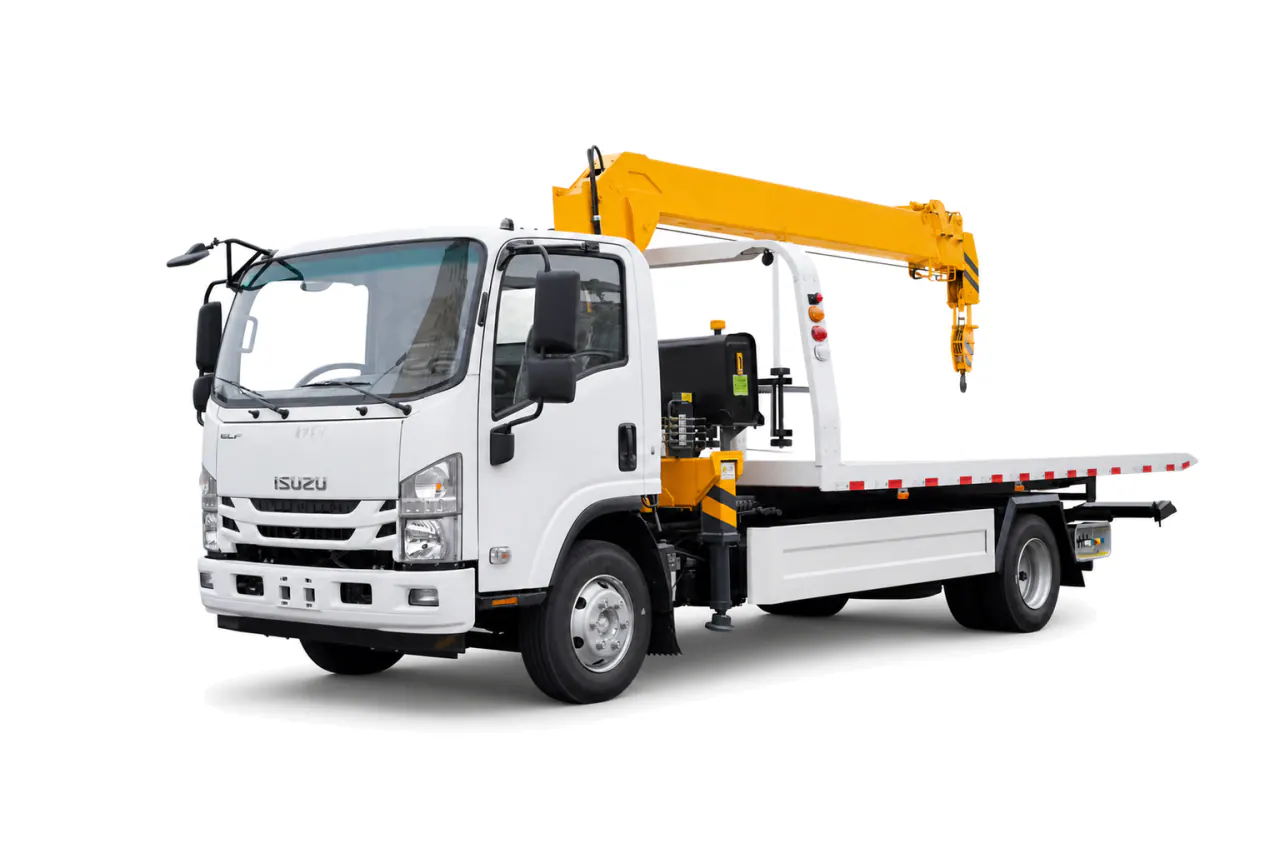
A flatbed wrecker with crane needs separate checks for deck payload and crane loads. Review loading geometry, outrigger setup and axle loads, including how equipment will be handled and stowed.
Describe the disabled vehicle and recovery sequence, including the available setup space and route. KEEYAK can use that load case to compare flatbed and integrated wreckers, or assess wheel-lift, winch, rotator and crane-assisted options.
| Decision | Why it matters | What to provide |
|---|---|---|
| Casualty profile | Mass, dimensions, immobilization and attachment points define the recovery method. | Describe the vehicles, axle loads, restraints and sequence.Retain: Representative load cases and equipment schedule. |
| Working position | Boom extension, loading angle and stabilizer placement change the capacity available. | State deck, underlift, winch, boom and traffic-clearance needs.Retain: Load basis, setup drawing, controls and functional test. |
| Completed vehicle | The body and equipment must remain within route and axle limits when ready for work. | Include crew, tools, restraints, braking and operating ground.Retain: Completed mass, axle, access and handover records. |
The casualty and recovery sequence determine the vehicle choice; one capacity rating cannot describe the whole task. A flatbed supports controlled loading and transport, while an integrated wrecker combines towing with recovery functions. For heavy lifting or difficult geometry, consider a rotator. A pickup tow truck suits lighter work where access is tight.
Give each function a stated load case. Check completed mass and axle reserve against the route and braking requirements, then review the setup space, rigging and operator controls for the complete vehicle.
Choose equipment for the agreed work, then specify its connections and the records needed to check it.
Use these steps to prepare the configuration and acceptance brief, not as a field operating procedure.
List the target vehicles, their mass range and likely damage conditions.
Define the loading, towing, lifting and winching sequence for each case.
Match every function to its own rating, geometry and operating condition.
Check completed mass, axle loads, route, slope and deployment footprint.
Witness the agreed recovery functions, controls, lighting and restraint checks.
This is a planning example rather than a standard fleet recommendation. Review the casualty mix and road network against the required coverage time. Set quantities with operator skills and workshop support in mind, and check destination rules.
Add these vehicles only where the response plan identifies a separate duty.
Mobile Workshop TruckEmergency Command VehicleClass B Emergency Monitoring AmbulanceReview the relevant selection and procurement guidance before finalizing the brief.
Road Rescue and Recovery Vehicle SelectionChassis, GVW, Axle Load and Payload PlanningThese records document their own vehicles and scope; they do not establish performance for a new mission.
Bring the operating duty, equipment scope and destination requirements into one configuration brief.
Send your mission requirements to our team.