
Emergency Vehicle Buying Process

Prepare an emergency vehicle request that suppliers can quote against, then agree the specification, inspection and handover records.

Explore the buying steps
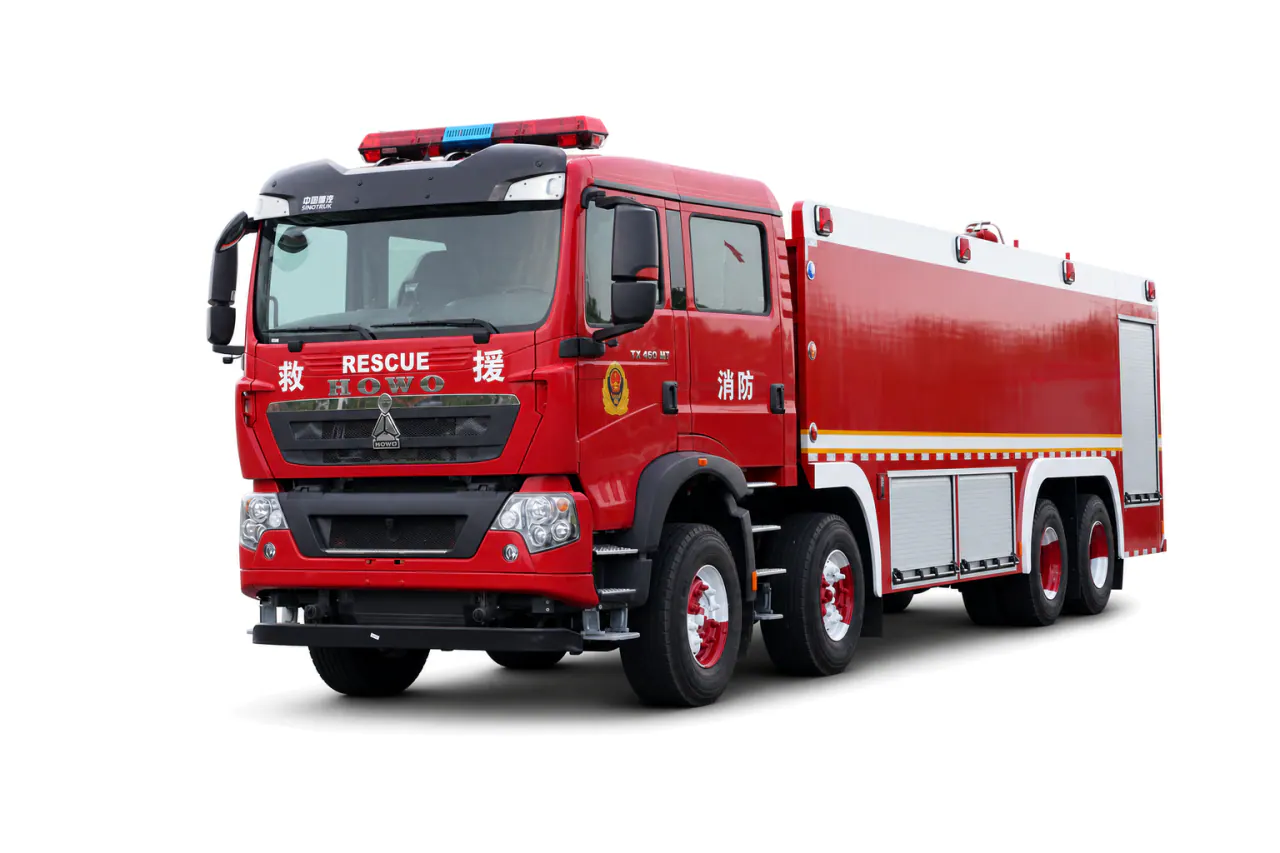
Foam fire truck configuration

Define the mission

Start a Rescue vehicle discussion with the work the vehicle needs to do. KEEYAK uses that duty to review the chassis, body and equipment together. Describe the incident or service task and the operating conditions that determine the design, including the location and users.

Explain the route and terrain, including the climate the vehicle will face. The supplier also needs the crew size and payload, plus the expected deployment pattern, to assess whether the configuration suits the work.

Buyer input
Duty, destination, route, crew and working load.
Record to agree
An operating brief with constraints and open decisions.

Prepare a comparable RFQ

  • Mission and controlling duty point
  • Chassis, payload and route constraints
  • Installed equipment and interface schedule
  • Required drawings, tests and handover documents
Buyer input
Vehicle scope, equipment interfaces and acceptance requirements.
Record to agree
One requirement schedule for every supplier.

Compare the quotations

Ask each supplier to answer the same requirement line by line. Mark every item as included, optional, conditional, excluded or still to be confirmed, and identify the exact chassis, body, major equipment and documents behind the quotation.

Compare ratings only when the component, working position and test condition are equivalent. A lower or higher figure can be misleading when suppliers are quoting different load cases, equipment packages or acceptance methods.

Buyer input
Supplier responses against the same requirement revision.
Record to agree
Recorded inclusions, exclusions, options and unresolved points.

Approve the configuration

Record the agreed scope in a specification and drawing set with a revision number. KEEYAK can then coordinate body and equipment installation against those documents and the agreed inspection points. Record later changes so purchasing, production and inspection teams all use the current revision.

Buyer input
Agreed specification, drawings and equipment schedule.
Record to agree
An approved revision and a record of subsequent changes.

Inspect the agreed scope

Before release, confirm that the vehicle and installed equipment match the documents. Check the agreed functions and record any exceptions. The handover file should identify accepted items and outstanding work, with a named person responsible for each follow-up action.

Buyer input
Vehicle identity, test conditions and approved inspection plan.
Record to agree
Inspection results, exceptions and release decisions.

Arrange shipping and handover

Confirm the finished transport dimensions, packing list, destination documents and responsibilities before dispatch. Keep arrival checks, commissioning and operational authorization separate from physical delivery.

Buyer input
Release status, packing records and transport requirements.
Record to agree
A handover record with supplied documents and named follow-up responsibilities.

Keep the approval record together

Keep the latest signed specification with drawings, changes, inspection results and open actions. Confirm commercial terms in the quotation or contract; this process does not set a universal price, lead time or warranty.

Download buying checklist

Prepare your configuration brief

Organize the mission, equipment and questions still to resolve. Send the brief to KEEYAK Rescue.

Prepare a configuration brief