
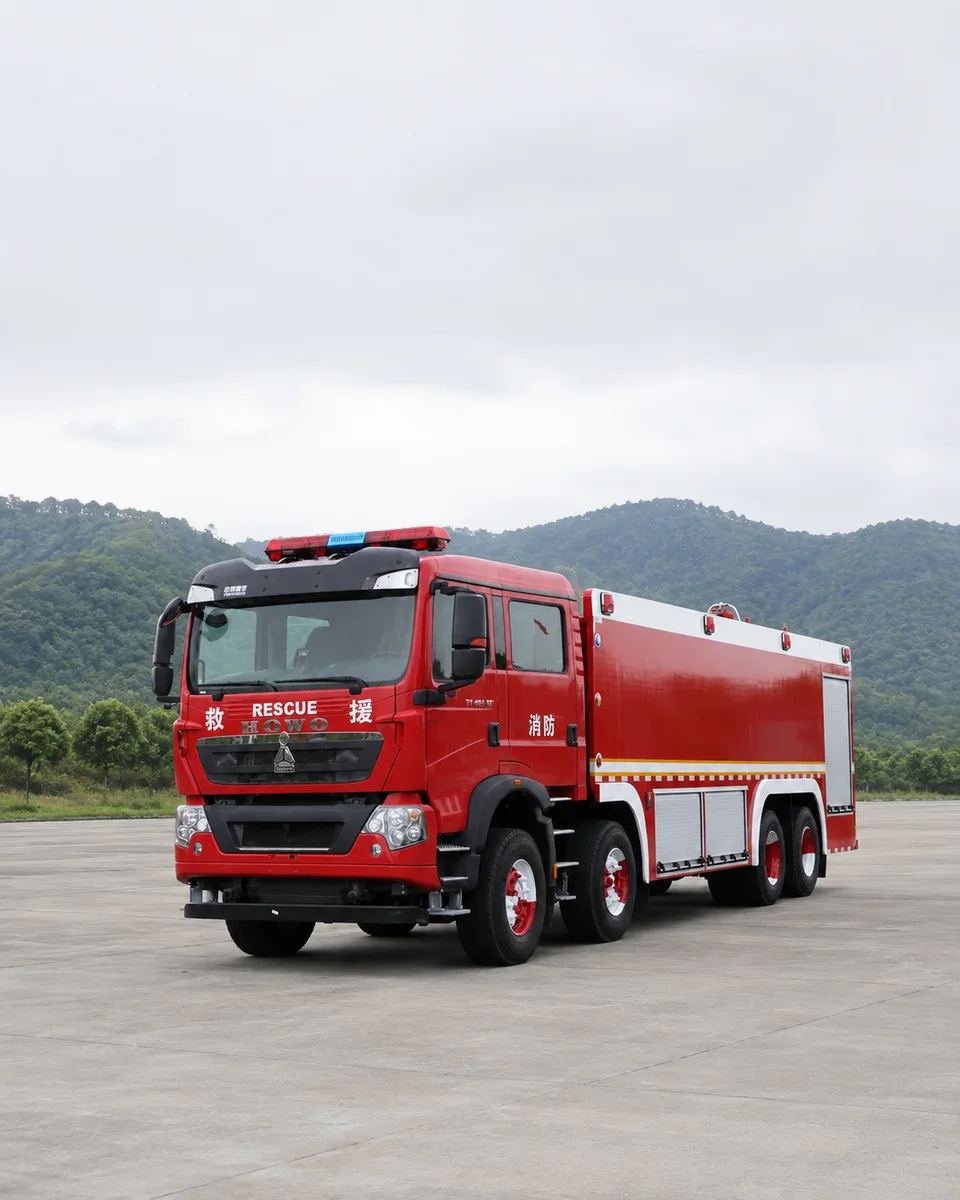
Firefighting Vehicles
Water, foam, dry-powder and aerial fire trucks serve different response duties. The hazard and available water supply guide the choice; route access, crew needs and operating tests complete the specification.
Explore firefighting, medical, recovery, support, command and elevated-access vehicles through one Rescue range. Compare the operating duty first, then review the body, equipment interfaces and inspection requirements for your project.
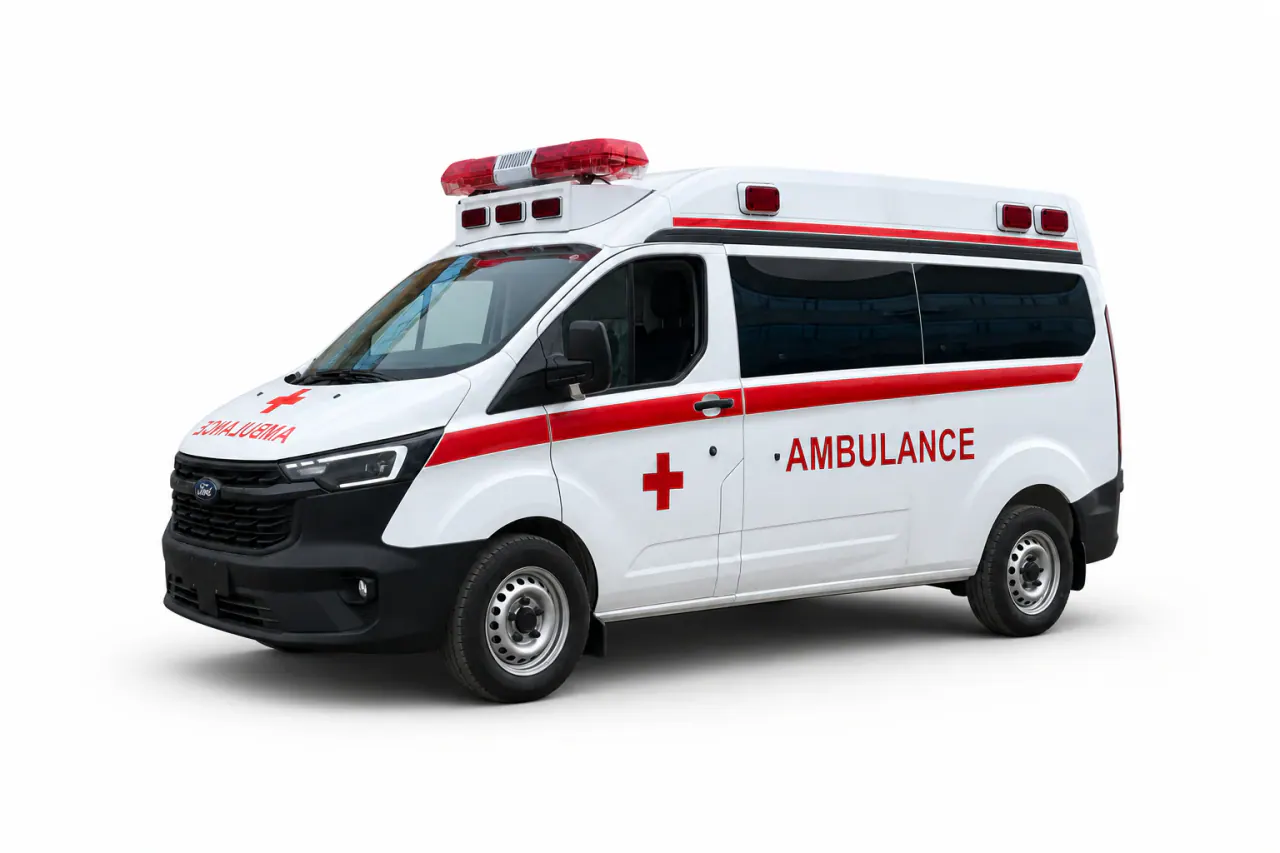
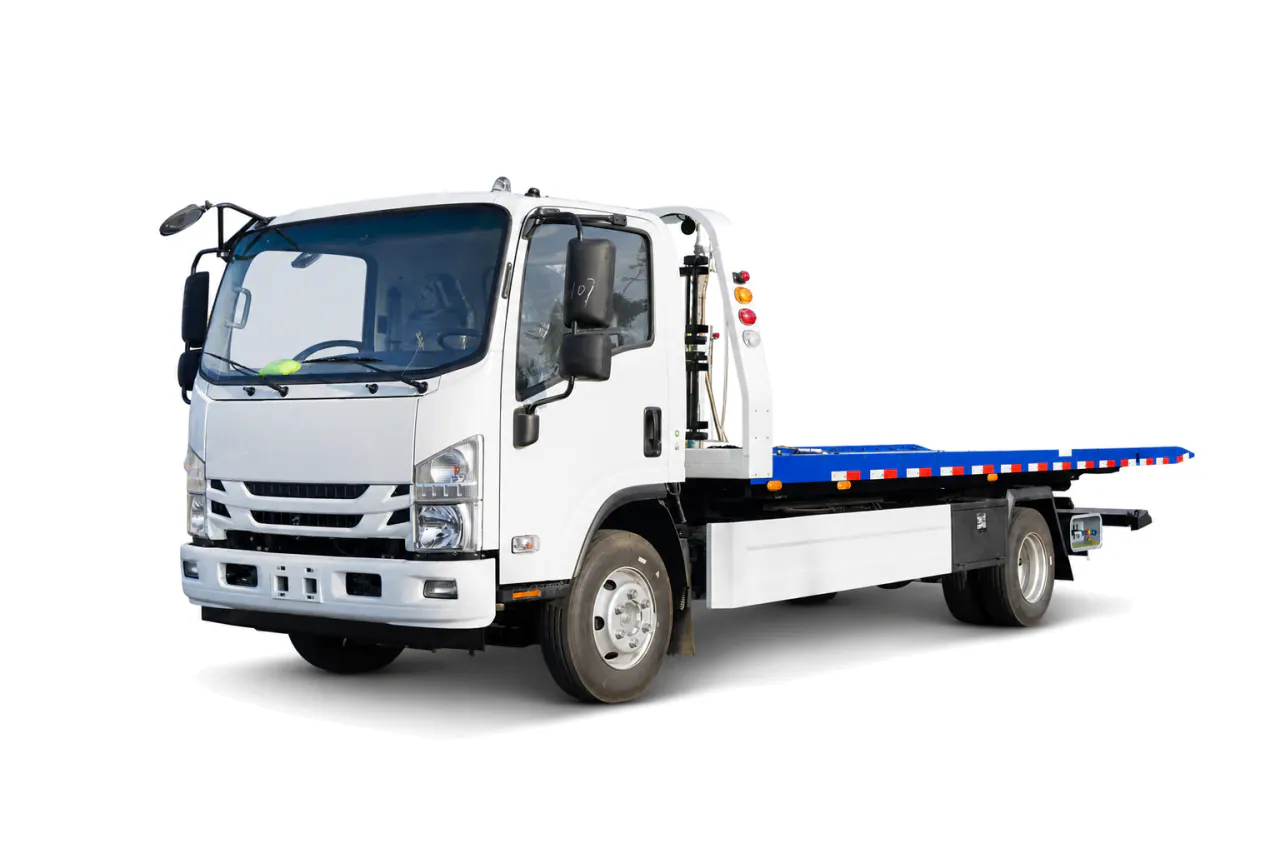
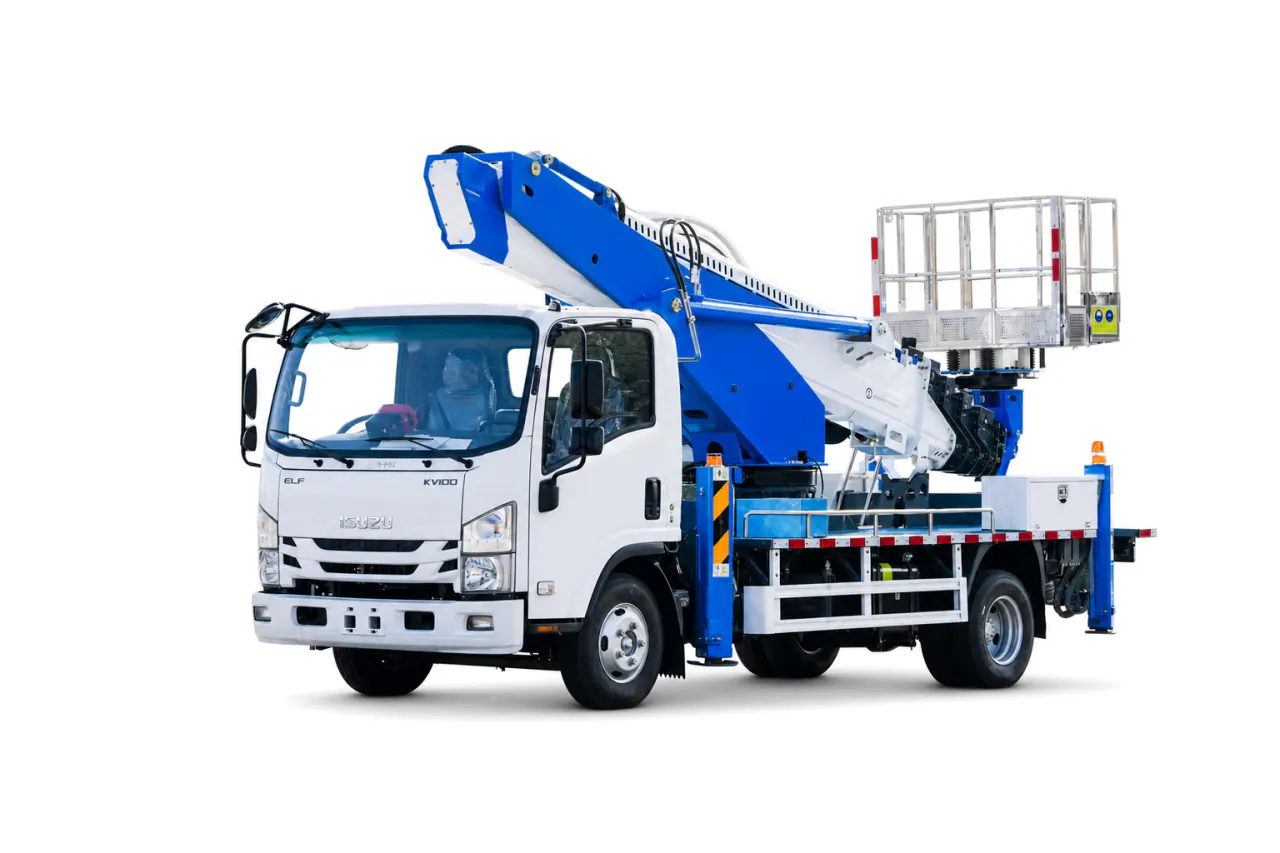
Water, foam, dry-powder and aerial fire trucks serve different response duties. The hazard and available water supply guide the choice; route access, crew needs and operating tests complete the specification.
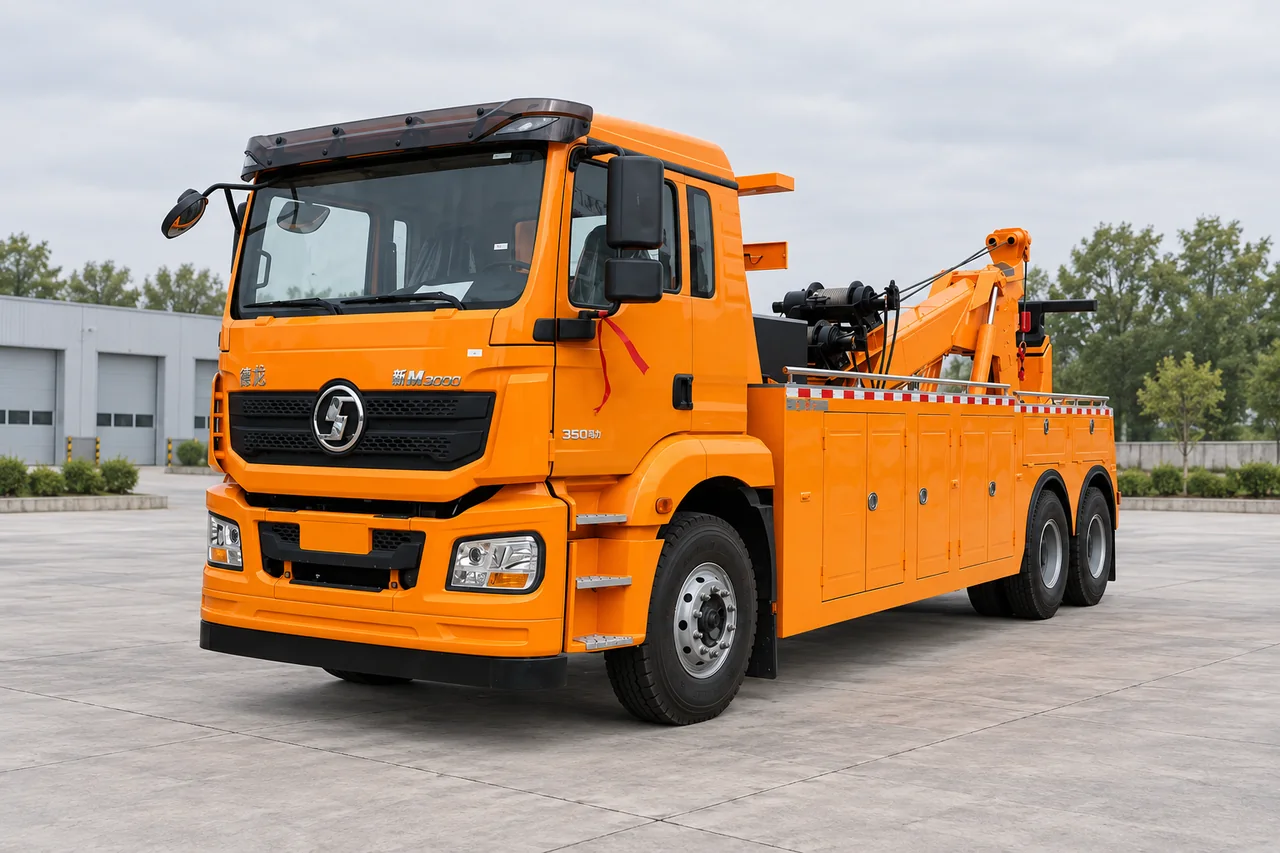
Full-deck transport, wheel-lift towing and lifting need different equipment. Compare flatbed, integrated, pickup, rotator and crane-assisted wreckers for the disabled vehicles you handle and the route and setup conditions.
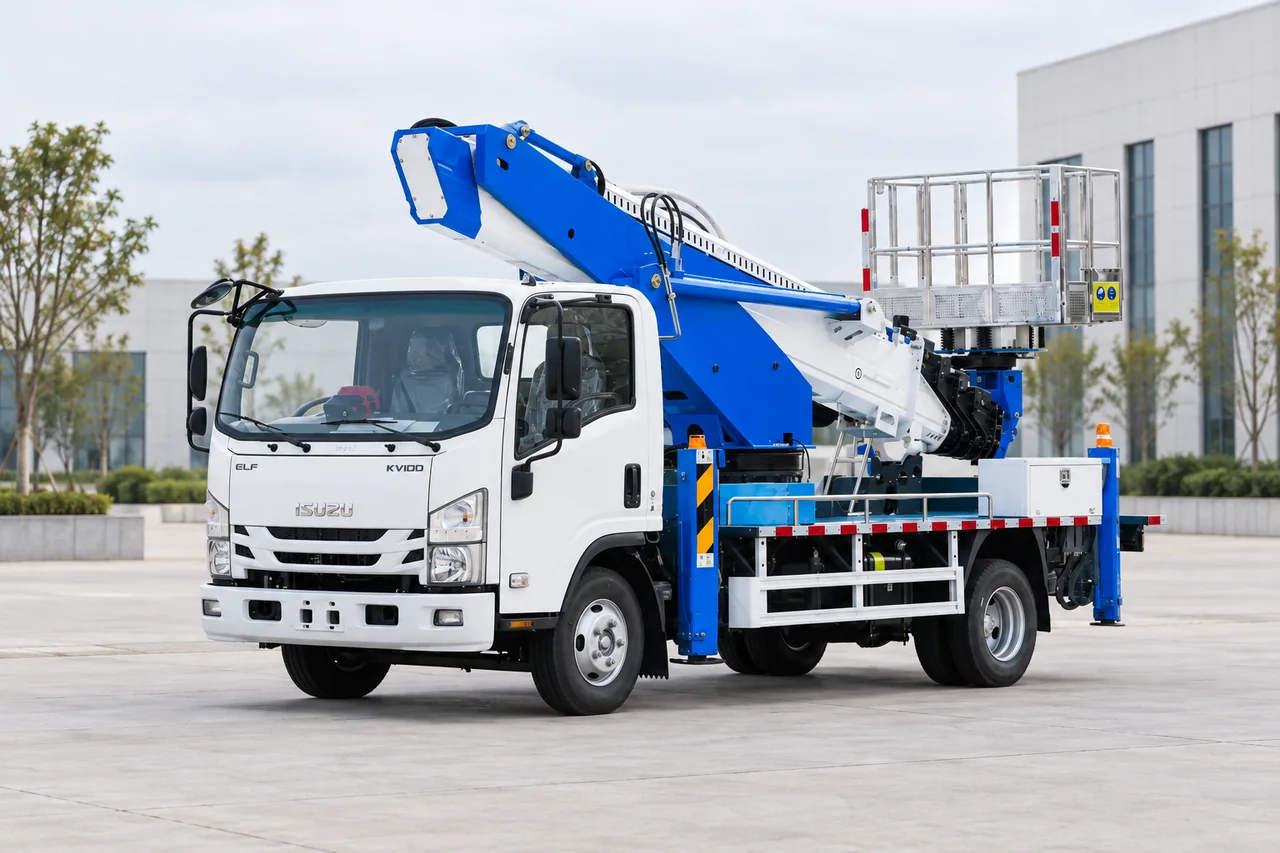
The work position matters as much as maximum height. Compare aerial platforms and ladders at the outreach and basket load required, allowing for site geometry, ground conditions and safety tests.
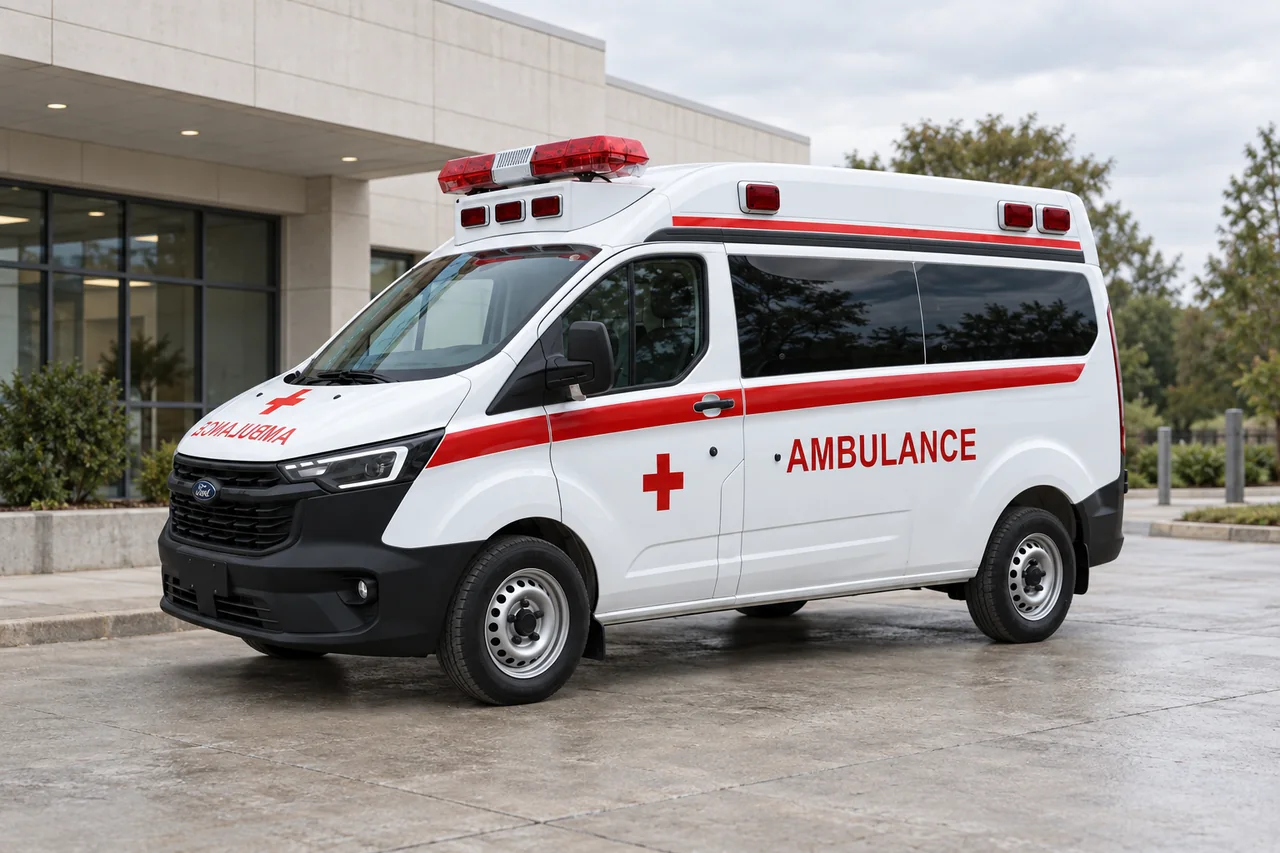
The care needed during the journey determines the ambulance layout. Compare patient transport, emergency monitoring and isolation configurations with the clinical workflow, crew access and destination requirements in mind.
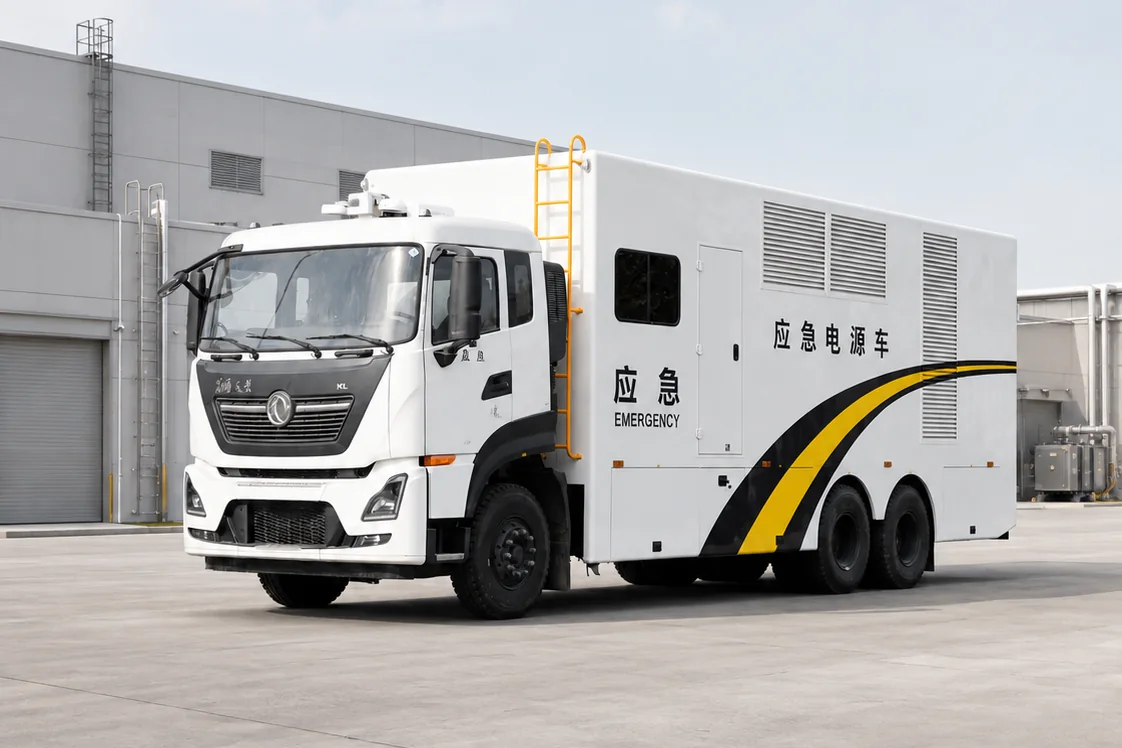
Power supply, drainage and field repair each need a different support vehicle. Specify the electrical load, pumping duty or repairs required, with enough operating time and access for the site.
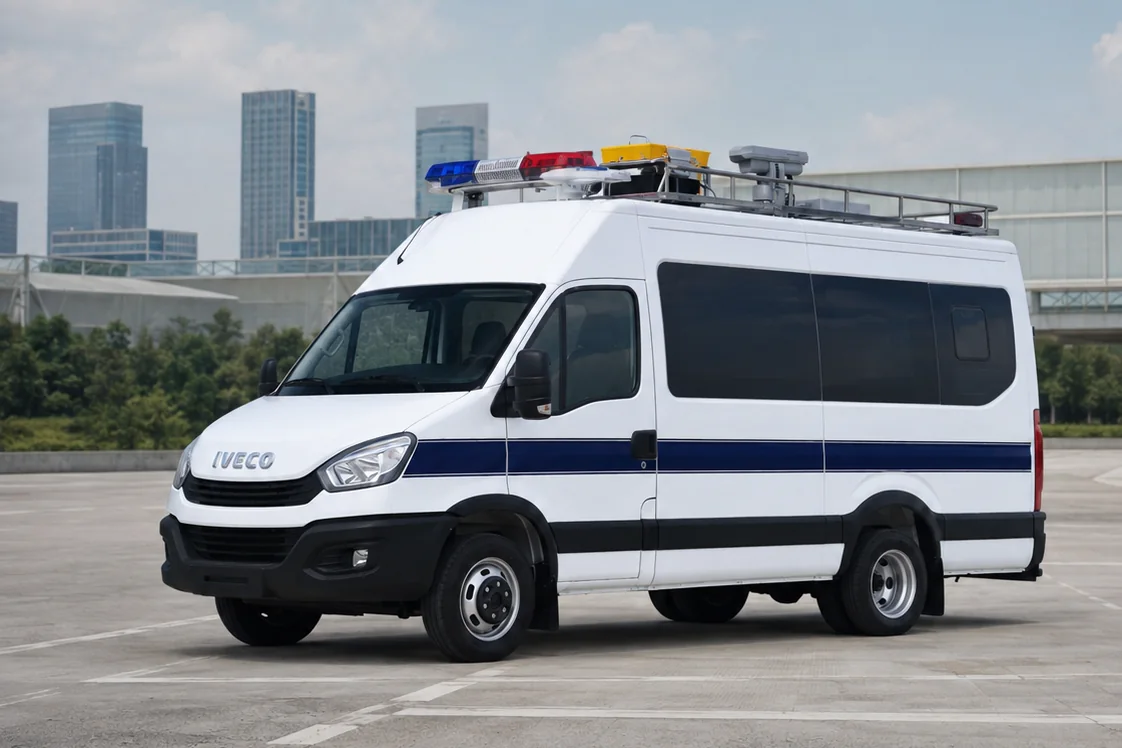
A mobile command room needs space for the operators and the communications they use. Compare workstation layouts with power and cooling needs, including deployment away from fixed facilities.
Bring the duty, crew and equipment requirements together. Send the brief to KEEYAK to discuss the configuration.