
Insulated Aerial Work Platform Truck
Electrical clearance and insulation class guide the choice of an insulated aerial platform. Agree the test method, then check basket load, working envelope and site access against destination rules.
- Insulation Level
- 12 / 35 /46 kV
- Working Height
- 12–32 m
- Bucket Capacity
- 200 kg
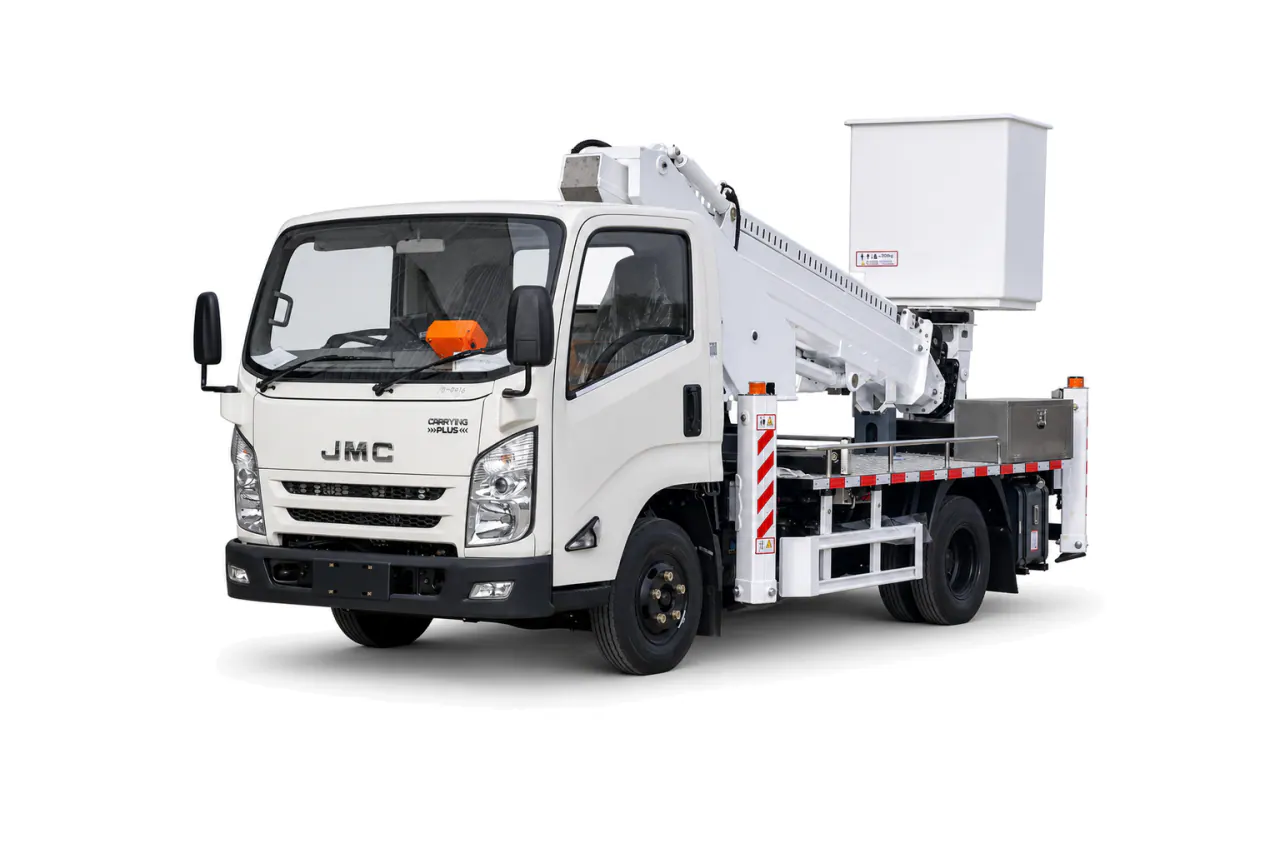 Showing Insulated Aerial Work Platform Truck view 1 of 6
Technical specifications
| Item | Value |
|---|---|
| Insulation Level | 12 / 35 /46 kV |
| Working Height | 12–32 m |
| Bucket Capacity | 200 kg |
| Rotation Angle | 360° |
| Outrigger extension and retraction time | ≤60 s |
| Operation Type | Manual / Wireless Remote |
Configure for your work
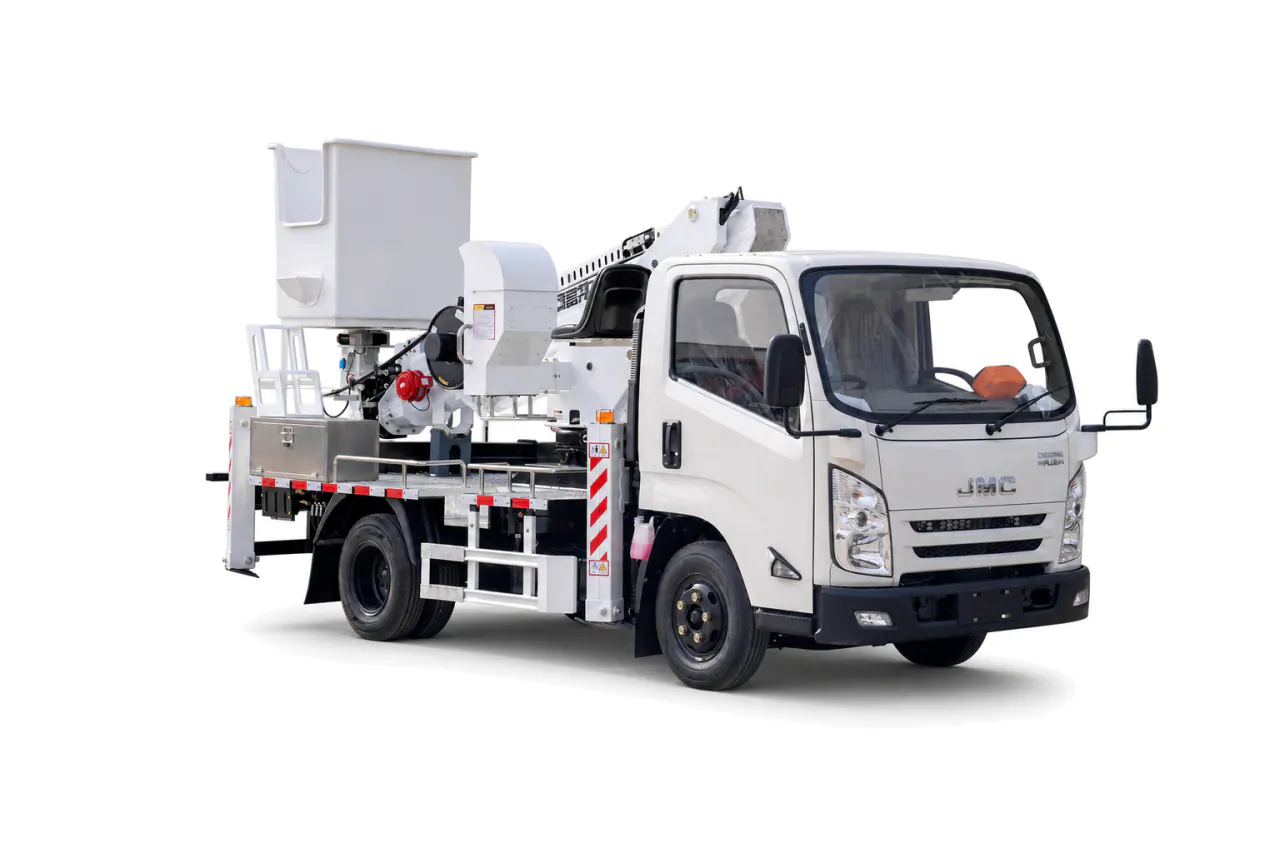
Operating roles
- Power-line maintenance
- Substation and utility access
- Emergency network repair
Items to specify
- Insulation class and test certificate
- Electrical clearance and work method
- Boom, basket and stabilizer chart
- Climate, chassis and route limits
- Working envelope
- Provide work points, obstacles, load, tools and required movement path.
- Stability and site
- Describe setup footprint, ground, access route and overhead hazards.
- Duty and transport
- State insulation duty, transport envelope, route and destination requirements.
Acceptance requirements
- Reconcile platform geometry, basket load, outriggers, controls, interlocks and emergency lowering to the approved configuration.
- Witness the agreed functional and stability-related checks using the selected model documentation and test method.
- Record completed-vehicle mass, axle loads, load charts, manuals, inspection records and exceptions.
Build and inspection
Final dimensions, installed equipment, route suitability and acceptance records are confirmed for the selected project.
Buyer questions
Does the insulation label authorize live-line work?
Qualified personnel need to review the electrical duty, equipment classification and applicable test status for the work method. The insulation label alone is not authorization.
Do I still need to check reach on an insulated platform?
Electrical classification and the load-dependent working envelope are separate requirements. Both must match the intended task.
How is electrical protection verified?
Request electrical verification records for the exact insulating equipment and applicable test conditions. A motion check cannot replace those tests.
Who agrees the utility-work specification?
The responsible utility and qualified personnel define the electrical duty and work method. The importer confirms destination equipment and operator requirements.
How should the insulating sections be protected in transit?
Ask how insulating sections will be protected from damage and contamination under the supplier’s instructions. Include their condition in the dispatch record.
What needs checking after transport, before electrical service?
Agree any inspection required after transport before electrical service. A dispatch record does not replace that commissioning decision.
Specify your Insulated Aerial Work Platform Truck
Share the operating duty, destination and equipment requirements.