
Emergency Command Vehicle
Agency roles determine operator positions and the communications layout. Specify radios, networks and displays together with independent power, cooling and the deployment workflow.
- Body Dimensions (L × W × H)
- 3,000–8,000 × 1,800–2,500 × 1,800–4,000 mm
- Personnel Capacity
- 2–12 persons
- Command Workspace
- Consoles, operator seats and meeting area
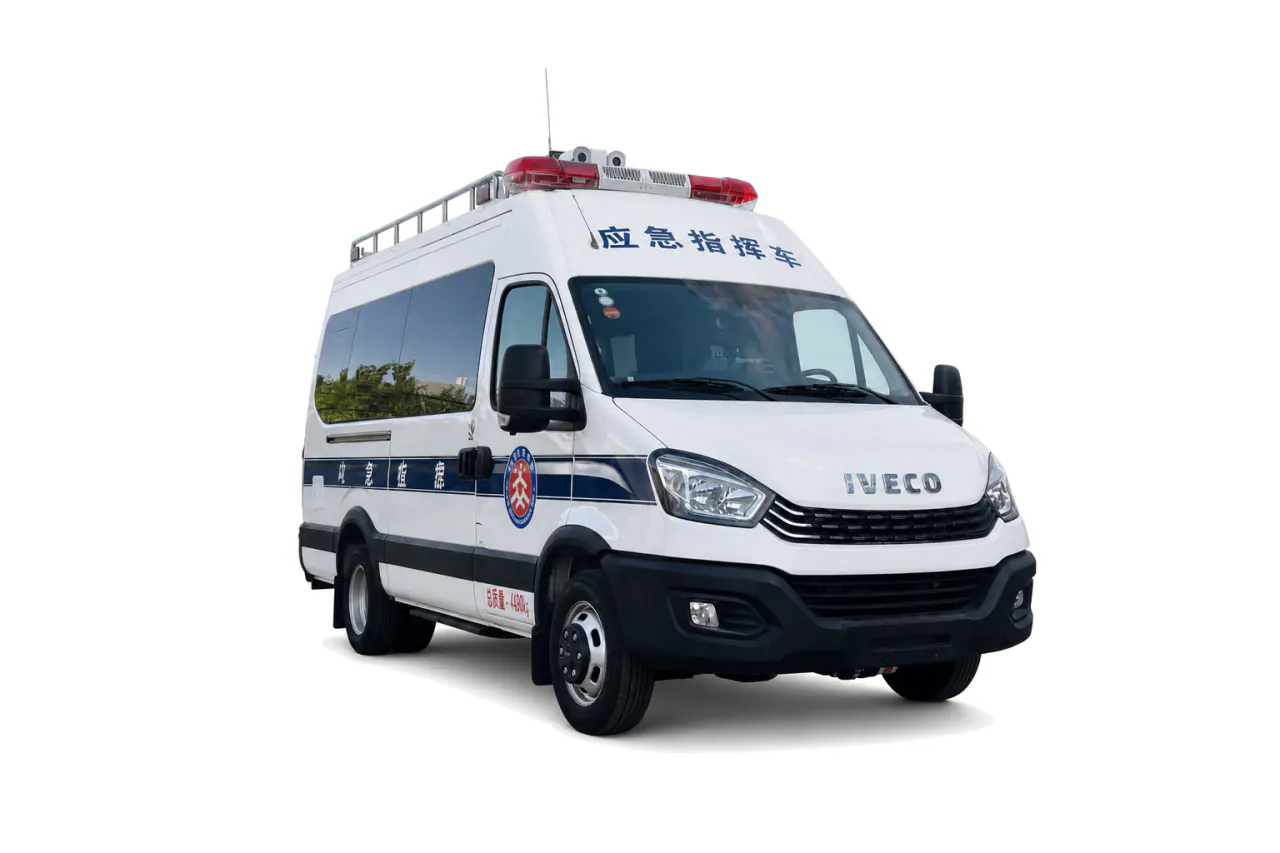
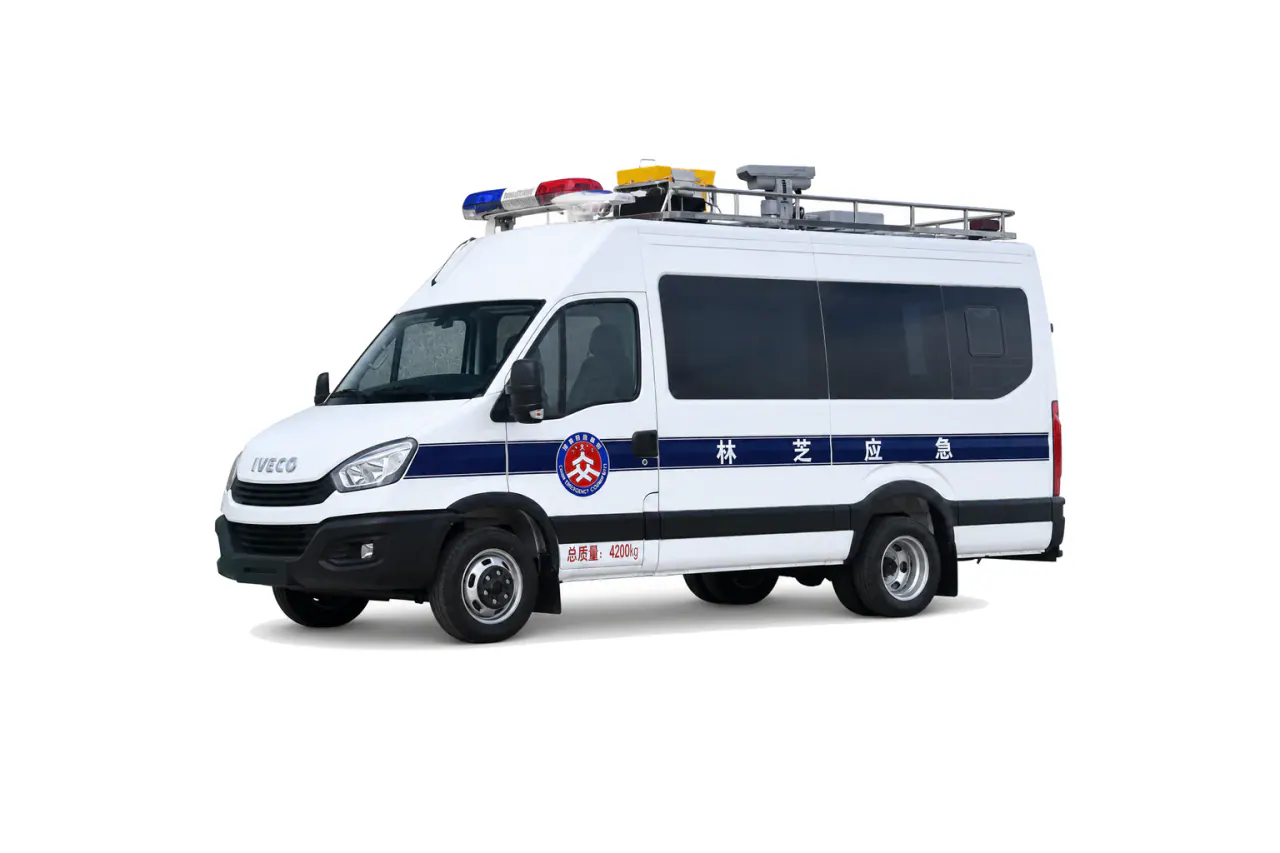 Showing Emergency Command Vehicle view 1 of 5
Technical specifications
| Item | Value |
|---|---|
| Body Dimensions (L × W × H) | 3,000–8,000 × 1,800–2,500 × 1,800–4,000 mm |
| Personnel Capacity | 2–12 persons |
| Command Workspace | Consoles, operator seats and meeting area |
| Communications | 4G/5G, VHF/UHF and optional satellite |
| Video and Display | PTZ cameras, 360° monitoring, LCD/LED |
| Backup Power | 5–20 kW generator; 3–10 kVA UPS |
Configure for your work
Operating roles
- Multi-agency incident command
- Civil-defense coordination
- Critical-infrastructure response
Items to specify
- Operator count and workstations
- Radio, network and display systems
- Power, UPS, HVAC and cable entry
- Vehicle access, lighting and security
- Command workflow
- Map agencies, positions, decisions, shift duration and deployment sequence.
- Communications and interfaces
- Name required systems, frequencies or network interfaces where known, and responsibilities.
- Power, cooling and handover
- Provide load schedule, runtime, cooling conditions, deployment and security needs.
Acceptance requirements
- Reconcile radios, network equipment, antennas, operator positions and power systems to the approved schedules.
- Witness power transfer, communications interfaces and agreed interoperability checks without implying network-wide certification.
- Record completed-vehicle mass, axle loads, drawings, software versions, manuals and exceptions.
Build and inspection
Final dimensions, installed equipment, route suitability and acceptance records are confirmed for the selected project.
Buyer questions
Are travel seats and parked workstations counted separately?
Travel seats and parked operator positions describe different uses. Agree both so workspace does not imply additional approved travel places.
Will the command vehicle work with agency networks?
Compatibility depends on the selected equipment and agency interfaces. The command-vehicle body alone cannot provide network interoperability.
Does a display demonstration verify live agency connections?
Record the networks or test setup used to verify the interfaces. A screen demonstration alone cannot confirm compatibility with agency systems.
Who should prepare the command-vehicle brief?
The agency should identify its incident role and operators’ workflow. This gives the equipment and workspace review a concrete starting point.
Are masts and antennas included?
Confirm each deployed item in the equipment schedule. Its transport and deployment requirements apply to the selected build.
How should configuration records be handed over?
Identify supplied equipment records and backups in the handover scope. Keep access credentials separate from publicly shared material.
Specify your Emergency Command Vehicle
Share the operating duty, destination and equipment requirements.