
Class B Emergency Monitoring Ambulance
A Class B emergency monitoring ambulance needs room for the crew to work and move the stretcher. Match the medical equipment, payload, power, oxygen and HVAC to the treatment workflow.
- Interior Compartment
- Vacuum-Formed ABS
- Stretcher Capacity
- 150–300 kg
- Patient Capacity
- 1–2 Patients
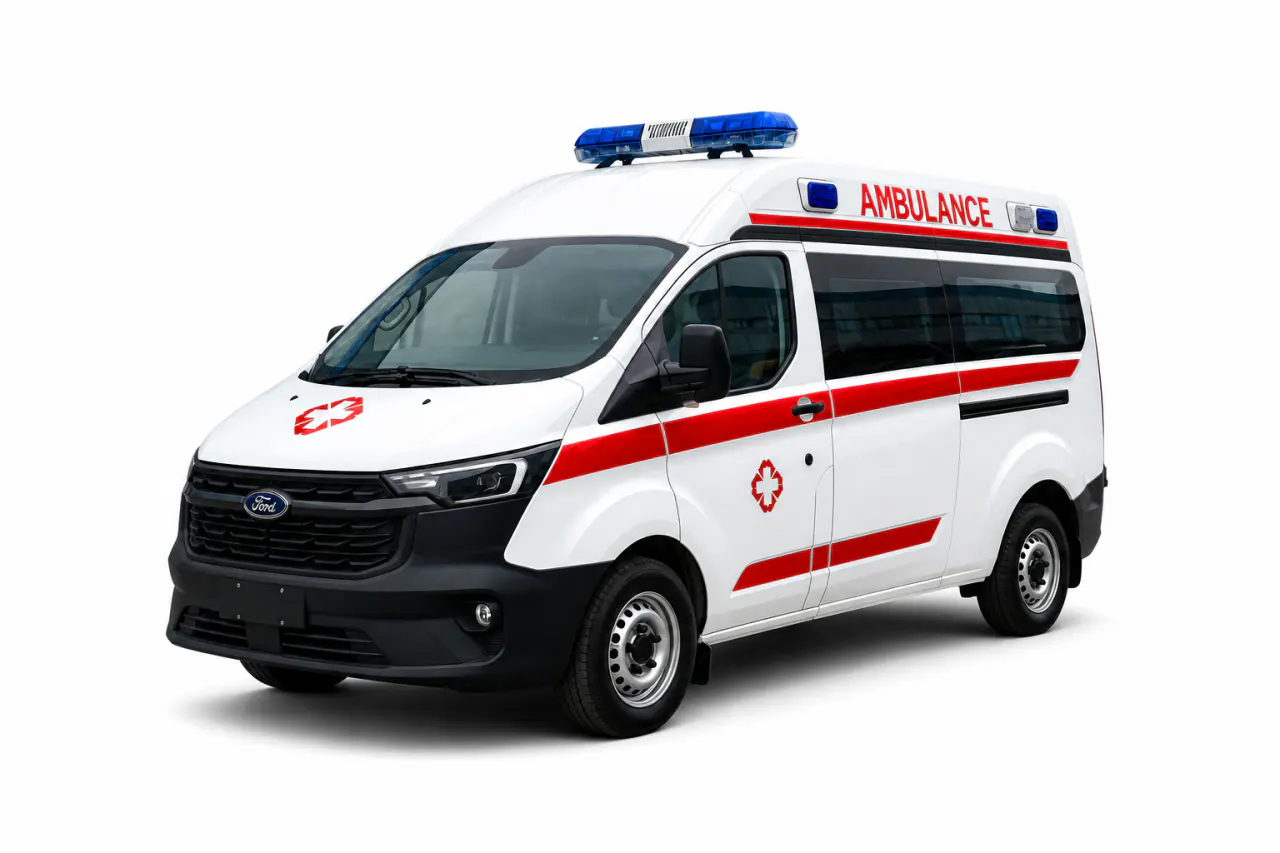 Showing Class B Emergency Monitoring Ambulance view 1 of 7
Technical specifications
| Item | Value |
|---|---|
| Interior Compartment | Vacuum-Formed ABS |
| Stretcher Capacity | 150–300 kg |
| Patient Capacity | 1–2 Patients |
| Medical Seats | 2–5 Seats |
| Oxygen System | 1–2 Oxygen Cylinders |
| Power Supply | 12V / 24V / 220V |
Configure for your work
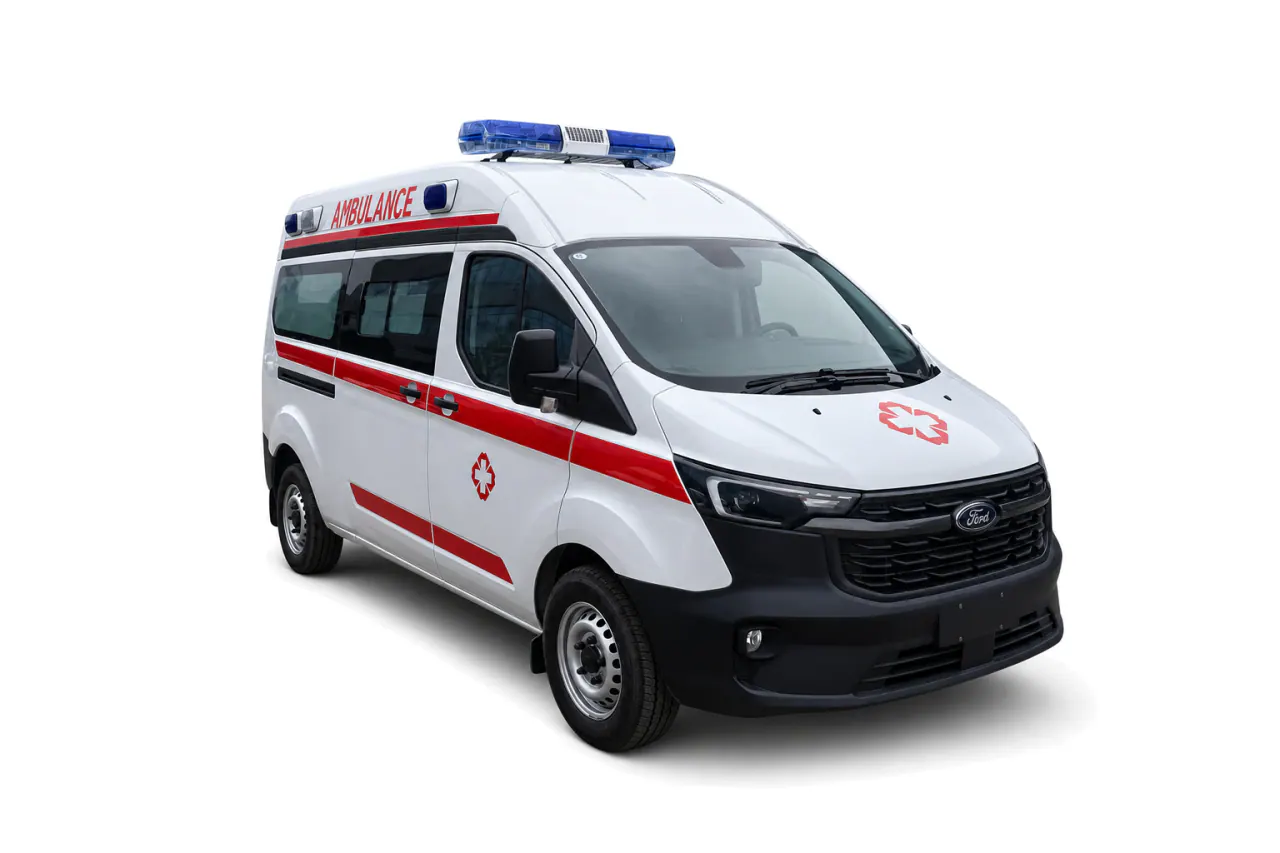
Operating roles
- Emergency medical response
- Monitored transport
- Hospital and EMS fleet specifications
Items to specify
- Clinical procedures and equipment
- Crew movement and patient access
- Electrical load and charging
- Oxygen, HVAC and infection-control plan
- Patient care and crew access
- Describe patient types, procedures, crew roles and stretcher movement.
- Utilities and payload
- List installed devices, power, oxygen, restraint, ventilation and cleaning needs.
- Clinical commissioning
- Identify the responsible clinical operator, hygiene rules, destination requirements and test basis.
Acceptance requirements
- Review cleanable interior materials, sealed joints and the approved cleaning protocol with the clinical operator.
- Verify stretcher and seat rated loads, restraints, access paths and device mountings against the equipment schedule.
- Verify electrical load, circuit protection, oxygen installation, HVAC and any pressure or filtration system with retained records.
- Keep clinical commissioning, destination approval and vehicle acceptance as separate approval steps.
Build and inspection
Final dimensions, installed equipment, route suitability and acceptance records are confirmed for the selected project.
Buyer questions
What level of care does Class B include?
The class name alone does not specify a care level or equipment package. Agree these for the patient needs and staffing, subject to destination service requirements.
Are monitoring devices a standard package?
Confirm each ordered device and its mounting in the equipment schedule. The vehicle name does not specify a monitoring or treatment package.
Is clinical commissioning part of vehicle acceptance?
Clinical commissioning and destination vehicle approval are separate from a workshop demonstration. Agree responsibility for both before ordering.
Who defines the emergency transport workflow?
The clinical operator defines crew movement and equipment access around the patient. Those requirements guide the layout review.
How should separately packed devices be identified?
Keep them distinct from installed equipment in the packing inventory. Arrival checks can then identify equipment awaiting installation.
What should be agreed for cylinders and batteries?
Identify any supplied items and confirm carrier requirements before dispatch. Do not assume they travel under the same arrangements as the empty vehicle.
Specify your Class B Emergency Monitoring Ambulance
Share the operating duty, destination and equipment requirements.