
Shipping & Delivery
Plan transport for the finished emergency vehicle, check destination documents and inspection status, and agree the handover records.
Compare shipping methods
Choose a shipping method for the finished vehicle
Review the destination, quantity, finished dimensions and mass before comparing routes. Container, Ro-Ro, bulk cargo, open-top or flat-rack, and overland transport serve different vehicle sizes and handling requirements. Confirm availability and acceptance with the carrier before booking.
| Method | Typical fit | Confirm before booking |
|---|---|---|
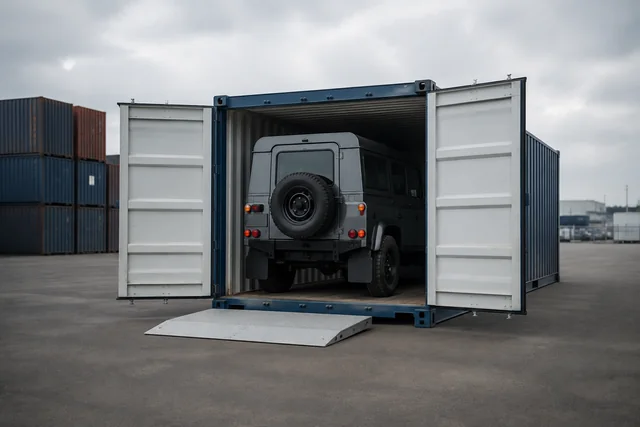 Container Container | Smaller vehicles or separately packed equipment | Check internal dimensions, door clearance and the loading plan for smaller vehicles or separately packed equipment. |
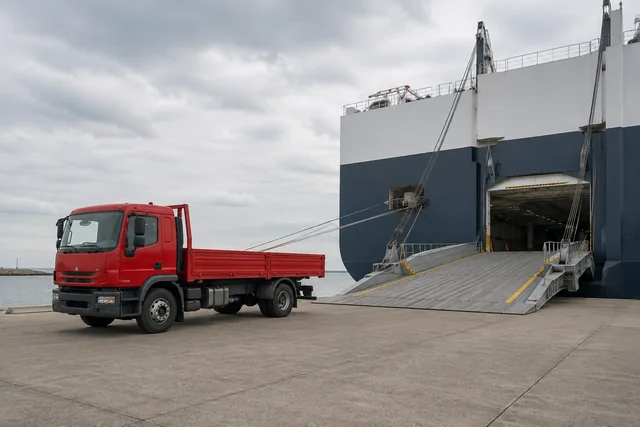 Ro-Ro Ro-Ro | Complete wheeled vehicles | Consider drive-on transport for complete wheeled vehicles, subject to vessel access and carrier acceptance. |
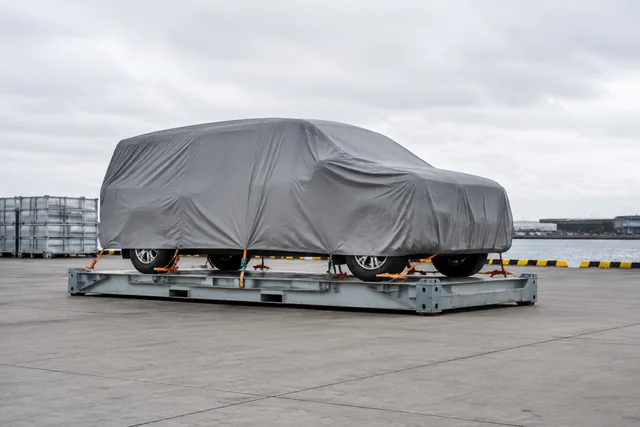 Bulk cargo Bulk cargo | Heavy or oversized loads | Review lifting points, handling equipment and securing arrangements for heavy or oversized loads. |
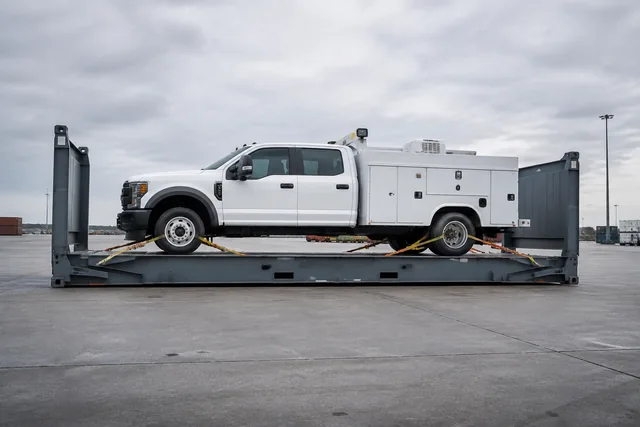 Open-top or flat-rack Open-top or flat-rack | Loads outside a standard container envelope | Review out-of-gauge clearance, crane access, weather protection and lashing for vehicles outside a standard container envelope. |
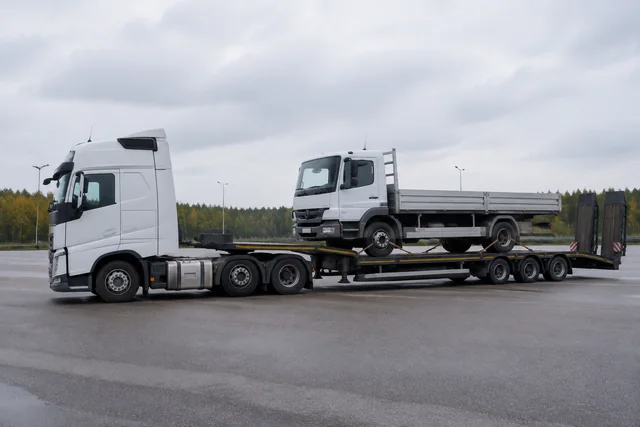 Overland Overland | Accessible inland destinations | Assess border procedures, road limits and onward delivery arrangements for accessible inland destinations. |
Release the vehicle for dispatch
Confirm that inspection is complete. If exceptions remain, record the approved decision for each one before dispatch. The release record should identify the vehicle, current specification revision and any work that must be completed after arrival.
- Verify finished dimensions, mass and transport envelope
- Secure booms, ladders, decks, hoses, cables and loose equipment
- Prepare manuals, drawings, certificates and packing records
- Confirm consignee, customs and destination requirements
Check the vehicle at arrival
Inspect transport restraints, exposed equipment, fluid condition, packed accessories and document seals before commissioning. Reconcile separately packed items against the packing record and photograph transit damage before adjustments obscure the condition.
Where transport affects calibration, insulation, pressure systems or other controlled functions, agree the qualified arrival inspection in the project documents. A visual arrival check does not replace that work.
Prepare the vehicle for transport
Use the finished vehicle dimensions and approved handling points, not the base chassis dimensions. Record equipment removed for transport, fluids or batteries handled under carrier instructions, and any inspection required before the vehicle returns to service.
Check clearance along the delivery route as well as space at the worksite. The deployed vehicle may need room for stabilizers, ladders or booms, with additional clearance for hoses, ramps or cable runs.
Record the handover
Identify the vehicle, installed scope, documents supplied, demonstrations completed and follow-up actions. Record any missing items, the training provided and its limits, and who is responsible for follow-up work.
Commissioning, destination registration and operational authorization may remain separate activities. Record who is responsible for each activity instead of treating physical delivery as final approval for service.
Agree the export document set and transit responsibilities
Check consignee, notify party and goods descriptions against the bill of lading draft. Agree the commercial invoice, packing list, origin documents and any destination-specific conformity documents before dispatch; requirements differ by destination and vehicle.
Record who arranges cargo insurance, provides shipment updates, manages customs clearance and handles port collection. Confirm coverage, release method and delivery responsibilities in the project documents. This guidance follows the shipping topics published on KEEYAK’s main site; it is not a promise of a fixed transport package or transit time.
Prepare the shipping record
Use the shipping guide to prepare the transport and handover requirements. Adapt it to the finished vehicle, carrier instructions and destination requirements before it becomes part of a controlled project file.
Download shipping guidePrepare your configuration brief
Organize the mission, equipment and questions still to resolve. Send the brief to KEEYAK Rescue.