
Integrated Wrecker
Start with the disabled vehicle and the recovery sequence. Assess towing, boom, underlift and winch loads separately, then check axle limits and route access for the integrated wrecker.
- Towing Capacity
- 3–40 t
- Wheel Lift Capacity
- 3–10 t
- Boom Lifting Capacity
- 3–20 t
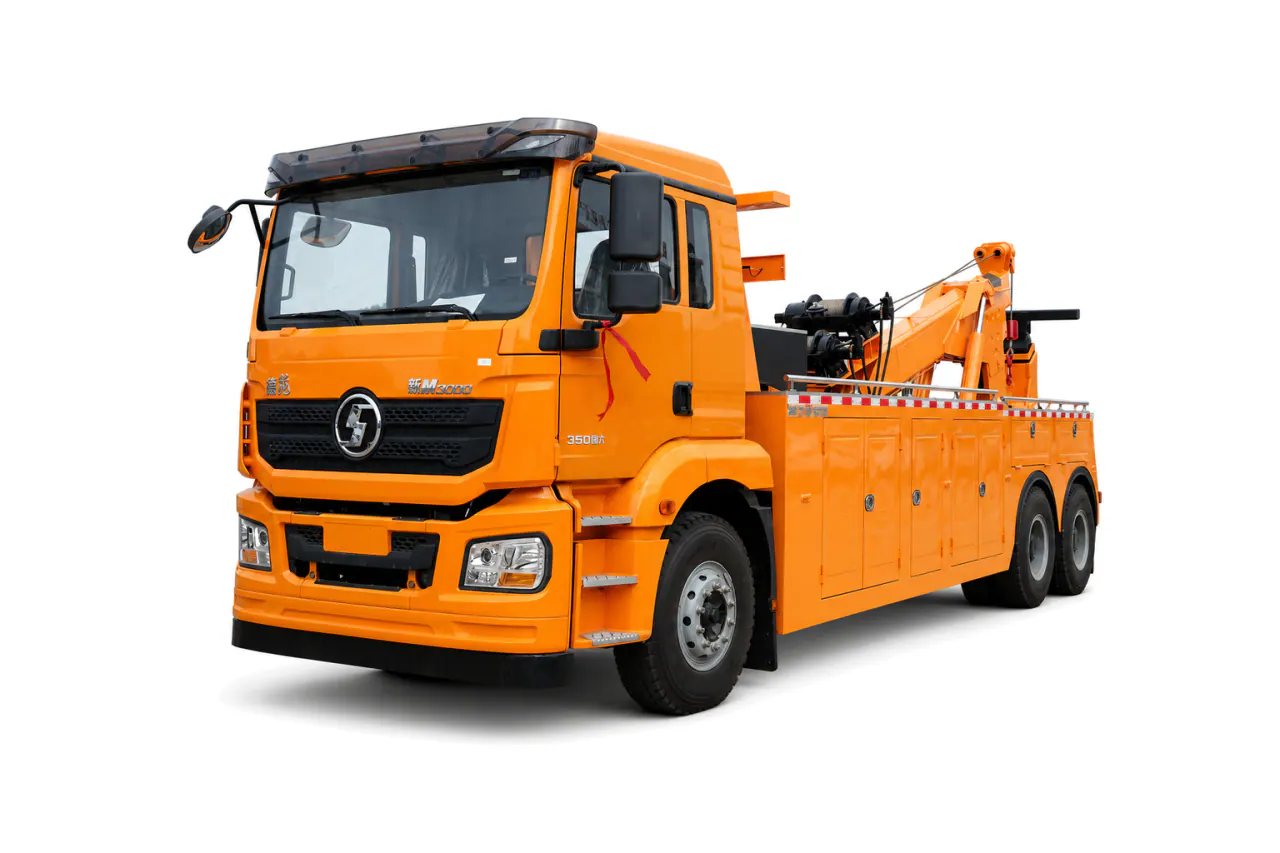 Front three-quarter view of the orange integrated wrecker, showing the recovery boom and side storage compartments (1 of 6)
Technical specifications
| Item | Value |
|---|---|
| Equipment and published ratings | |
| Towing Capacity | 3–40 t |
| Wheel Lift Capacity | 3–10 t |
| Boom Lifting Capacity | 3–20 t |
| Boom Extension | 1.2–3m |
| Winch Capacity | 4–15 t (dual) |
| Operation Type | Manual / Wireless Remote |
Published configuration range · Data sheet v1.1 · Source checked · Supporting documents
Recovery equipment and working loads
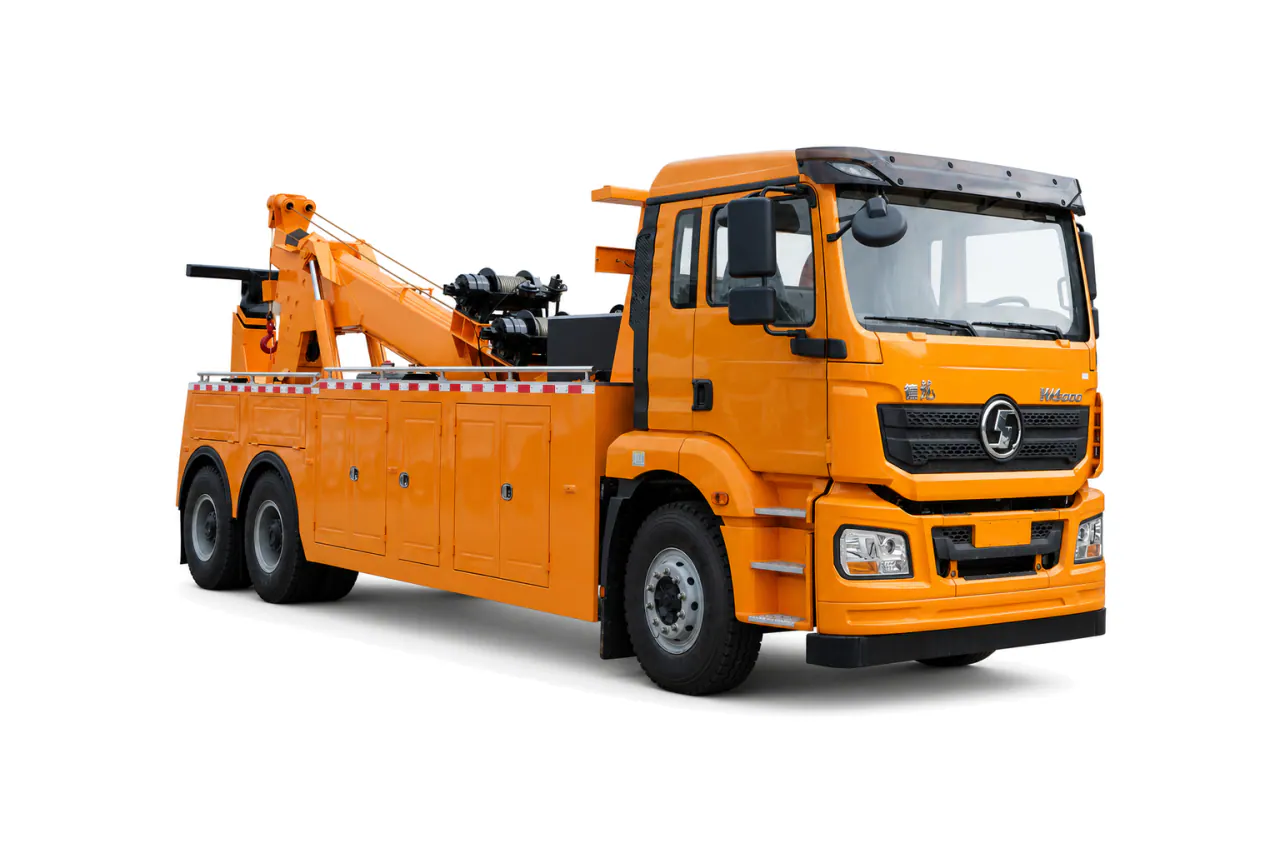
Typical work
- Heavy roadside recovery
- Fleet and bus towing
- Traffic-incident clearance
Configuration details
- Towing mass and axle limits
- Boom reach and lifting geometry
- Underlift interface
- Hydraulic controls and warning systems
- Casualty and load case
- Describe the target vehicles, axle loads, recovery sequence and restraints.
- Recovery body and equipment
- State deck length, underlift, boom, winch, crane, rigging and control requirements.
- Setup, route and traffic
- Map setup ground, traffic space, route, braking and deployment footprint.
Acceptance requirements
- Reconcile winch, boom, underlift, deck, restraints and accessories to the approved load-case schedule.
- Witness the agreed functions and safety devices without treating a demonstration as a universal capacity proof.
- Record completed-vehicle mass, axle loads, rated documentation, controls, manuals and exceptions.
Build and inspection
Final dimensions, installed equipment, route suitability and acceptance records are confirmed for the selected project.
Matching the wrecker to the casualty
What information is needed about the truck or bus being recovered?
Identify the vehicle and its supported axle load, and provide its towing instructions. This allows the proposed recovery method to be checked against the actual vehicle.
Which wrecker ratings apply to that recovery?
Boom and underlift ratings cover different load cases, as do winch pull and towing capacity. Check each part of the recovery sequence at its required working position. Supported axle load depends on the documented attachment and extension; maximum towing capacity is not a universal underlift rating.
Does a boom-motion video demonstrate lifting capacity?
It demonstrates movement. Approved axle loading and equipment ratings need their own records for the selected configuration.
Which towing attachments should be included?
Match the attachments for the target vehicle to the equipment documents and identify them in the supplied scope. They are not automatically interchangeable. For shipping, list loose attachments separately from the installed boom and underlift, and provide stowed dimensions and rear overhang.
Response missions
Road Traffic Accident & Vehicle RecoveryPrimary vehicle role. A disabled vehicle may need loading, towing or lifting before it can leave the scene. Compare each recovery function at its required load, with route and ground conditions checked alongside restraints and demonstrations.Flood & Natural Disaster ResponseConditional role; check the stated limitations. A drainage pump must deliver the required flow through the full hose route to the discharge point. Size the vehicle for that duty and the field conditions, with power and maintenance support for the expected operating time.Project records
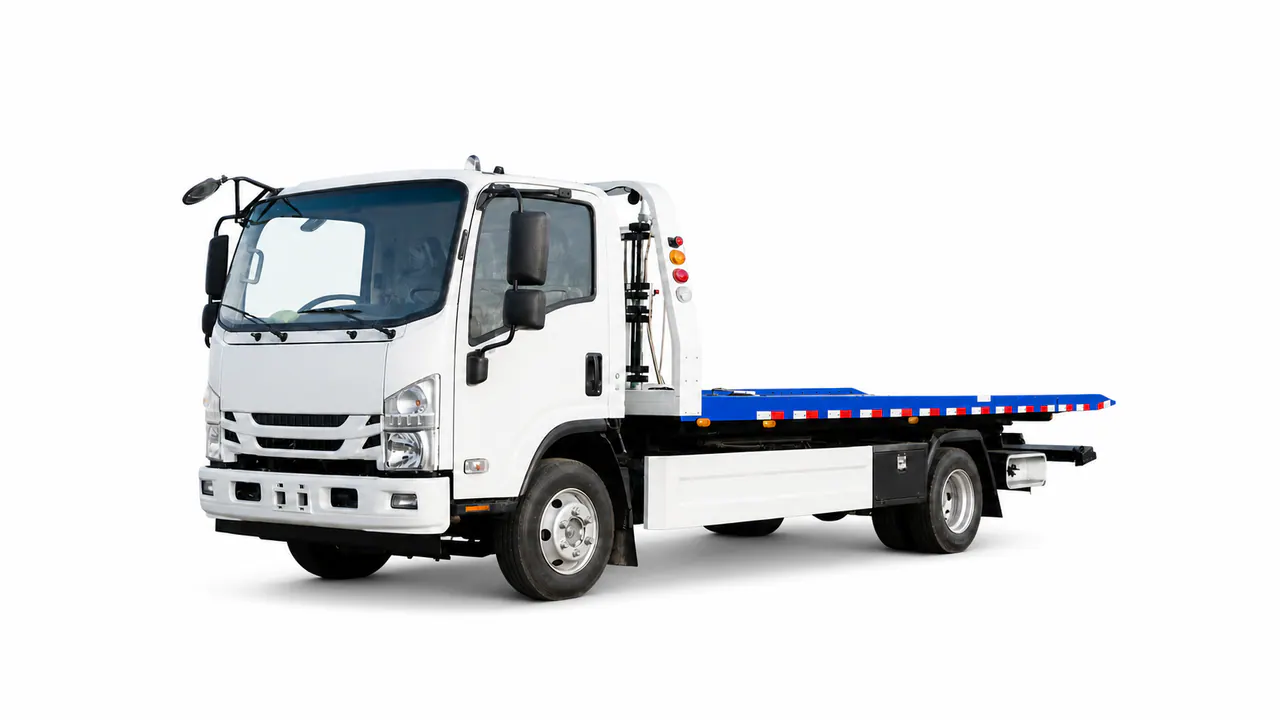 Mexico · ISUZU SCS5082TQZQL6 Wrecker TruckRelated road rescue & recovery vehicles configuration · Export record reviewed. The recorded build may differ from this catalogue range.
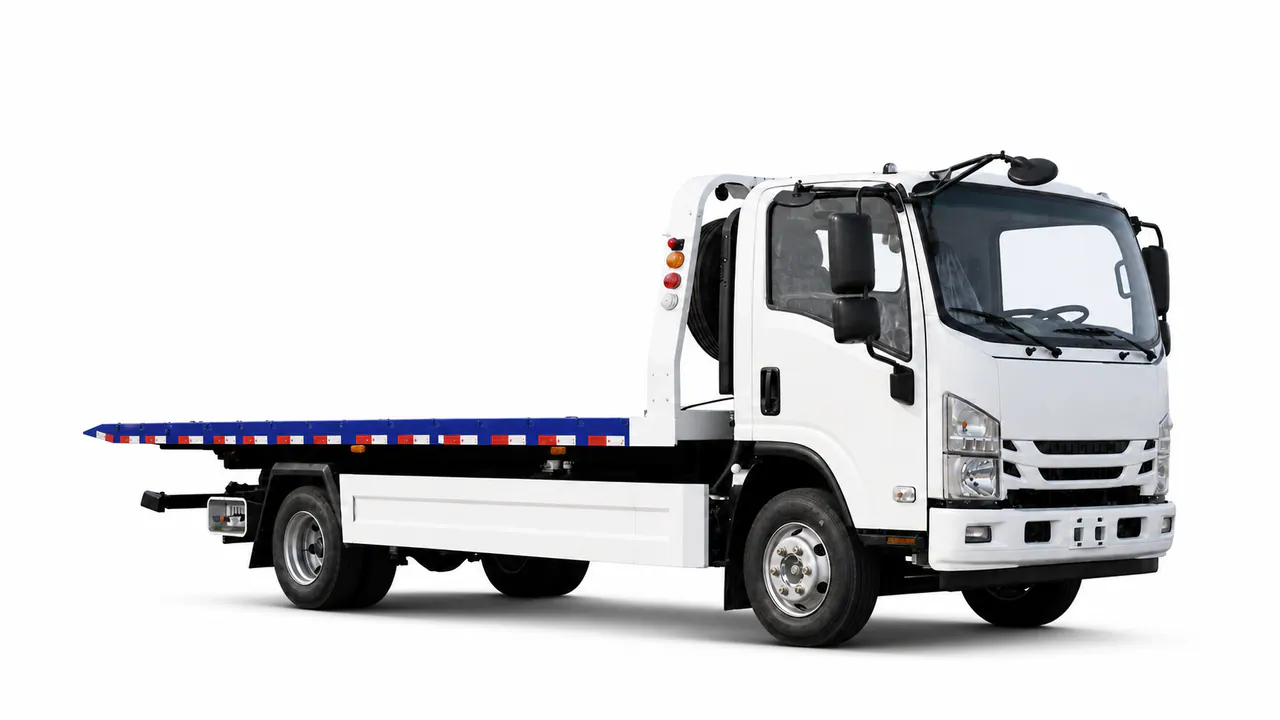 Peru · Dongfeng SCS5165TQZ3 Tow TruckRelated road rescue & recovery vehicles configuration · Export record reviewed. The recorded build may differ from this catalogue range.
Buyer guides
Choosing a road recovery vehicleChoose a recovery vehicle for the casualties and load cases it must handle. Review route and setup limits, with suitable rigging and restraints supported by agreed demonstrations.Chassis, GVW, axle loads and payloadWork out the mass of the finished vehicle before choosing its chassis. Check GVW and axle loads, then the payload available for the route and worksite.Specify your Integrated Wrecker
Share the operating duty, destination and equipment requirements.