
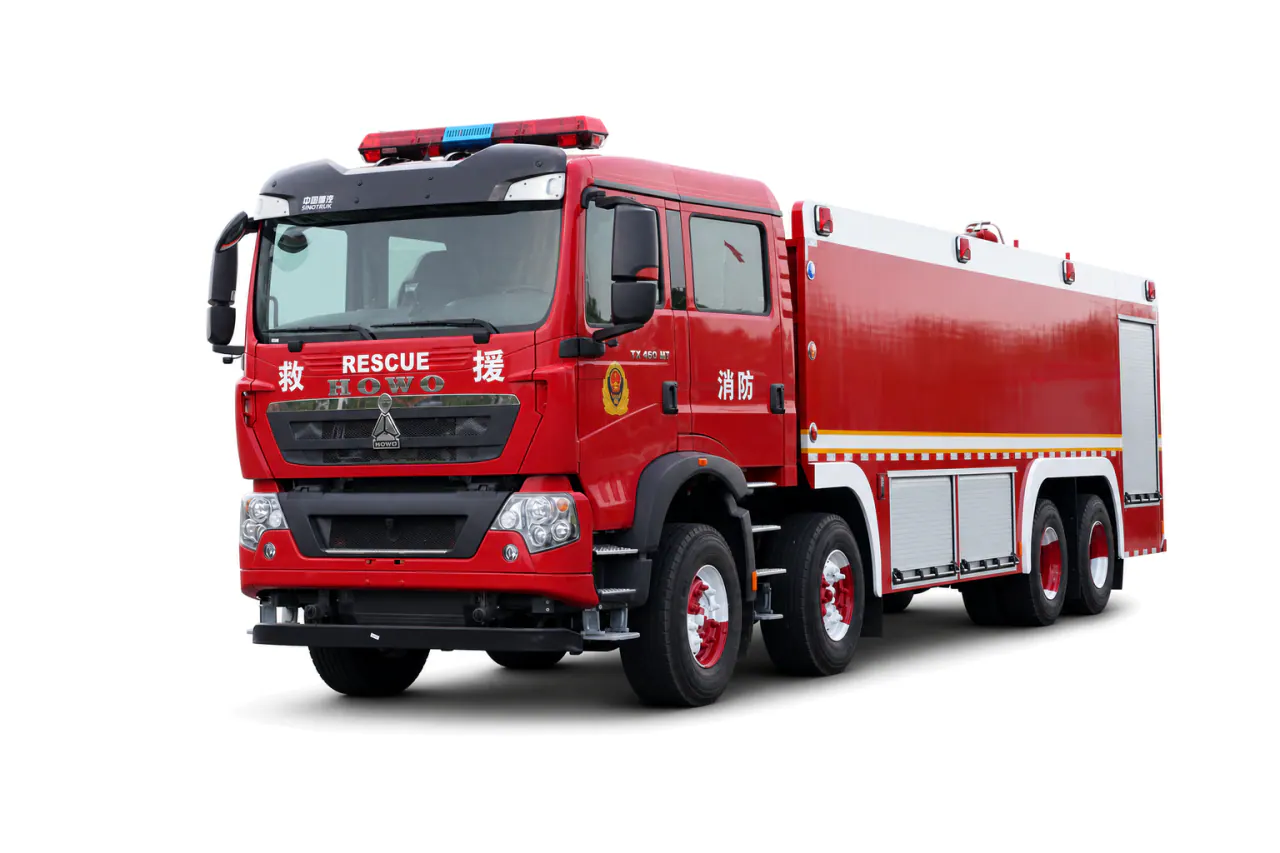
Foam Fire Truck
Match the foam concentrate to the liquid-fuel or industrial hazard. Specify proportioning, pump and monitor duty alongside the water supply and cleaning arrangements after use.
Match industrial emergency vehicles to the assessed hazard and compatible agent. Plan discharge duty and vehicle positions within the site's command, medical and exclusion-zone arrangements.
Prepare this mission briefStart with the main job the vehicle must do. Include supporting vehicles when the response plan gives them a specific role.
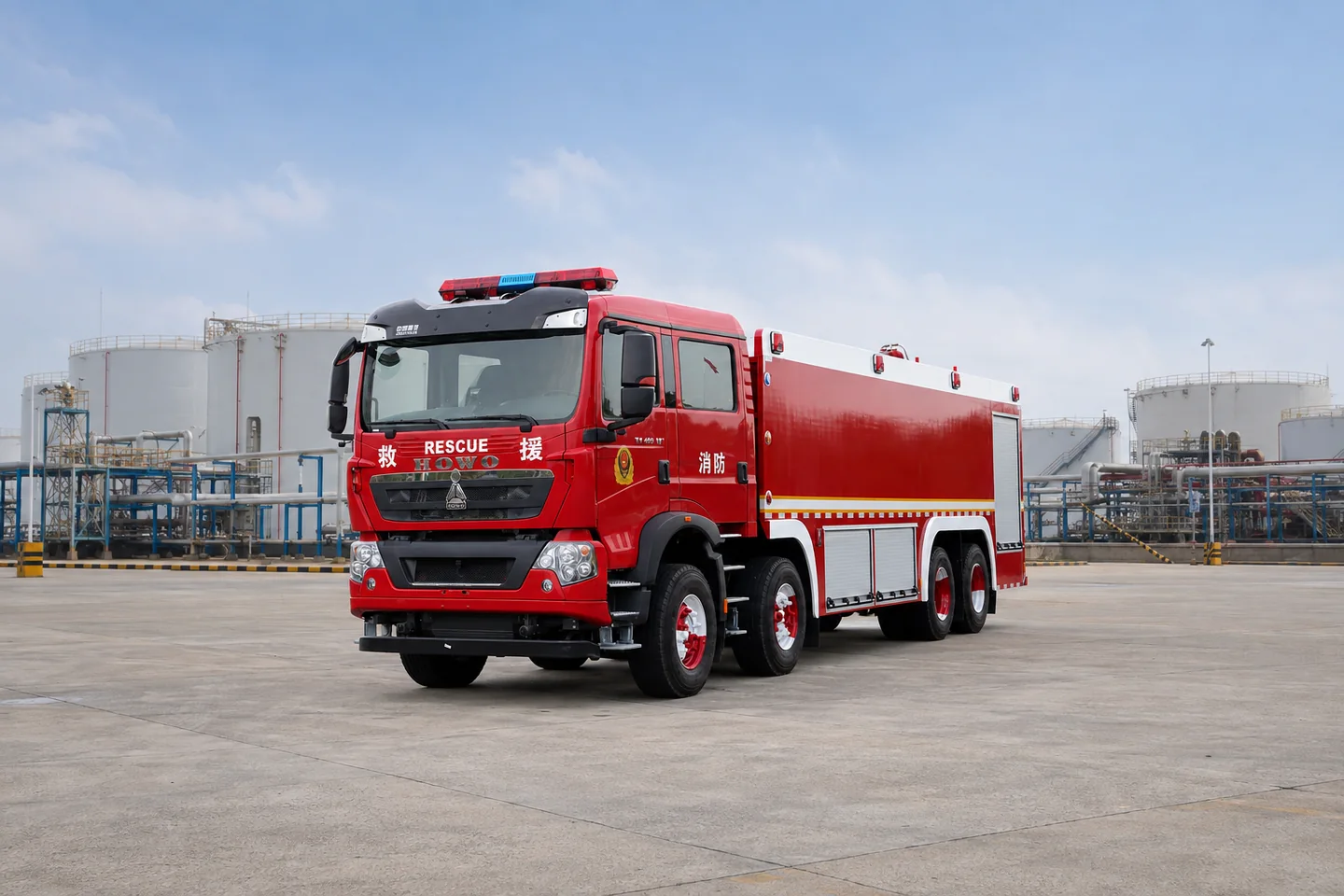
Match the foam concentrate to the liquid-fuel or industrial hazard. Specify proportioning, pump and monitor duty alongside the water supply and cleaning arrangements after use.
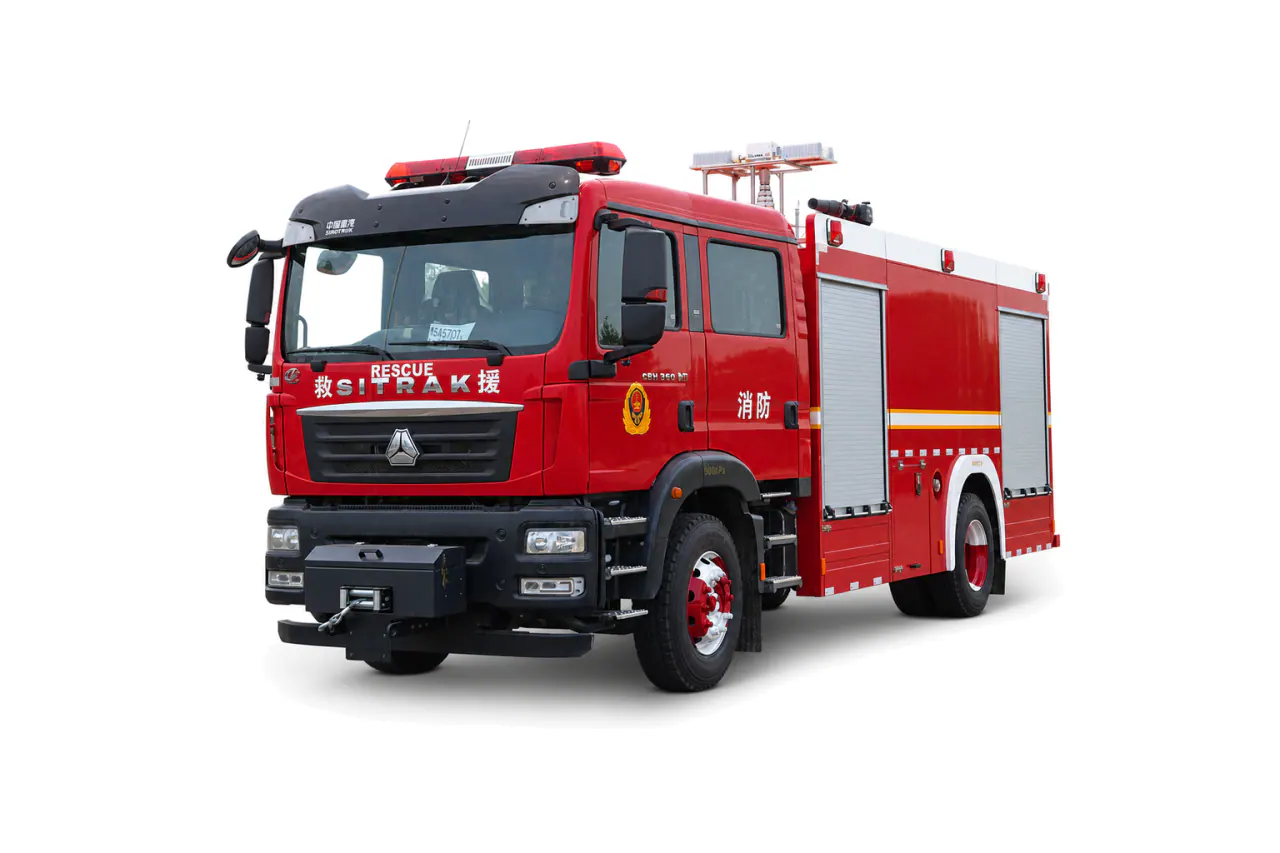
Choose the powder agent and quantity for the specific fire hazard. Agree discharge pressure, nozzle duty and refilling arrangements, together with a witnessed operating test.
Name the industrial hazard and compatible agent before choosing a vehicle, then check site access and the command workflow. KEEYAK reviews firefighting, medical, recovery and command duties separately until the operating brief explains how they will work together.
| Decision | Why it matters | What to provide |
|---|---|---|
| Named hazard | Hazard chemistry and exposure conditions control agent, equipment and exclusion planning. | Identify the hazard, agent compatibility, site access and response sequence.Retain: Agent schedule, equipment identity and site-specific review. |
| System roles | Fire, medical, command and support vehicles have different duties and acceptance methods. | Assign primary, supporting and conditional roles with interfaces.Retain: Fleet brief, interface schedule and role-specific tests. |
| Records required before release | A general demonstration cannot prove a hazardous-duty system is ready. | Define controls, PPE interfaces, equipment, witness and exception process.Retain: Approved revision, functional records and handover documents. |
Start with the industrial hazard and the response method accepted by the site operator. Foam may support a compatible liquid-fuel strategy; dry powder may suit a different hazard after specific assessment. Add water supply or aerial access vehicles when the plan requires those functions. Command and ambulance vehicles likewise need defined supporting duties.
The quotation should show how the agent quantity and proportioning or discharge equipment meet the agreed duty. Include the water supply and refill method, with access and crew protection requirements. Specify the acceptance tests, and keep incompatible agents and operating methods in separate configurations.
Choose equipment for the agreed work, then specify its connections and the records needed to check it.
Use these steps to prepare the configuration and acceptance brief, not as a field operating procedure.
Name the hazard and cite the accepted response strategy.
Set agent type, quantity, discharge point, pressure and duration.
Define water supply, refill and replenishment logistics.
Map access, exclusion zones, crew, command and medical workflow.
Agree equipment identities, operating tests, records and destination approvals.
This planning example is not a standard industrial response package. Choose vehicles and quantities from the site hazard assessment and response plan. Check water supply and access against crew needs, with destination requirements included.
Add these vehicles only where the response plan identifies a separate duty.
Water Tanker Fire TruckAerial Ladder Fire TruckEmergency Command VehicleClass B Emergency Monitoring AmbulanceUse only where the intended task, equipment configuration and operating conditions are documented.
Emergency Power Supply TruckMobile Workshop TruckReview the relevant selection and procurement guidance before finalizing the brief.
Firefighting Vehicle Selection and ConfigurationEmergency Vehicle RFQ and SpecificationBring the operating duty, equipment scope and destination requirements into one configuration brief.
Send your mission requirements to our team.