
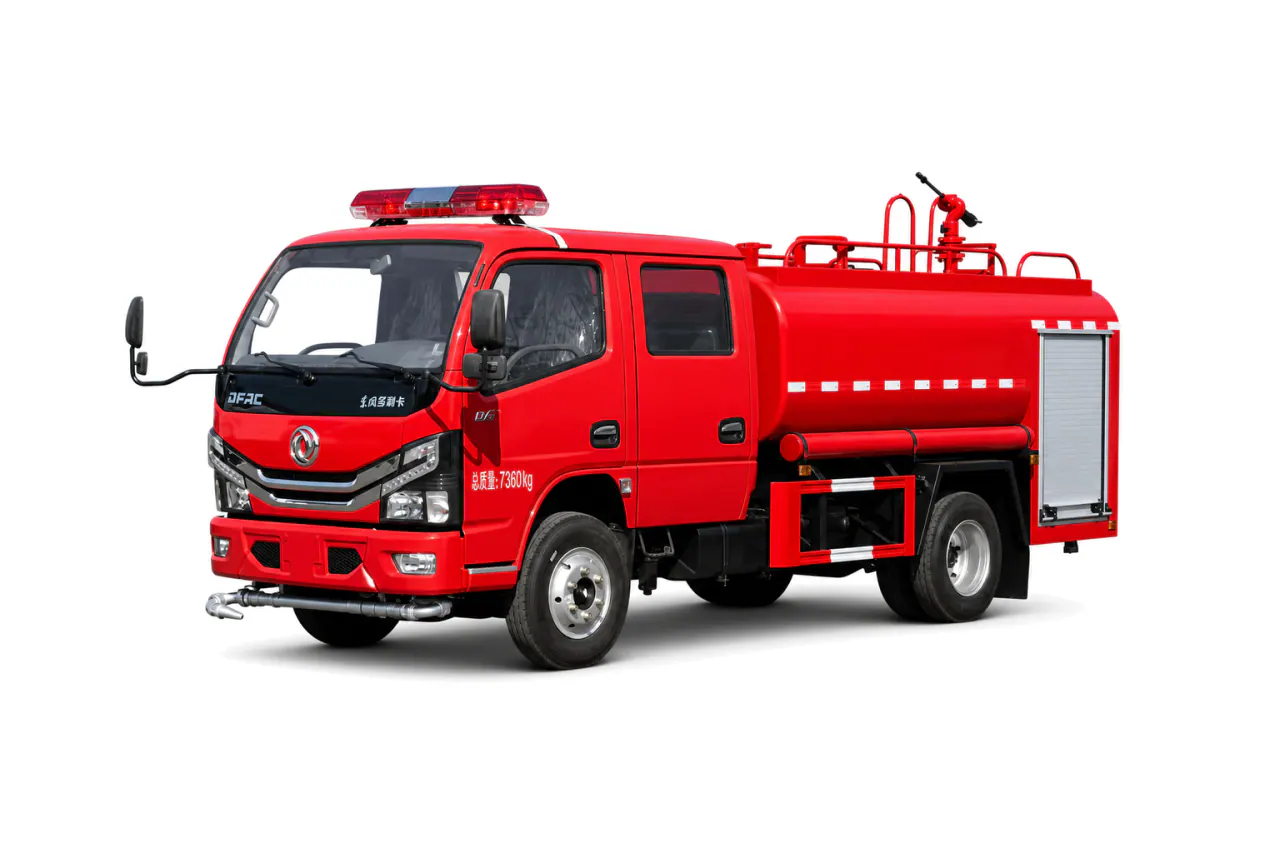
Water Tanker Fire Truck
Water carriage. Pump and monitor duty.
- Water Tank Capacity
- 1000–20000 L
- Fire Pump Flow Rate
- 20–100 L/s
- Fire Monitor Flow Rate
- 20–80 L/s
Choose a water, foam, dry-powder or aerial fire truck for the hazard and water supply available. Compare route access and crew needs, with operating tests suited to the job.
Prepare a configuration brief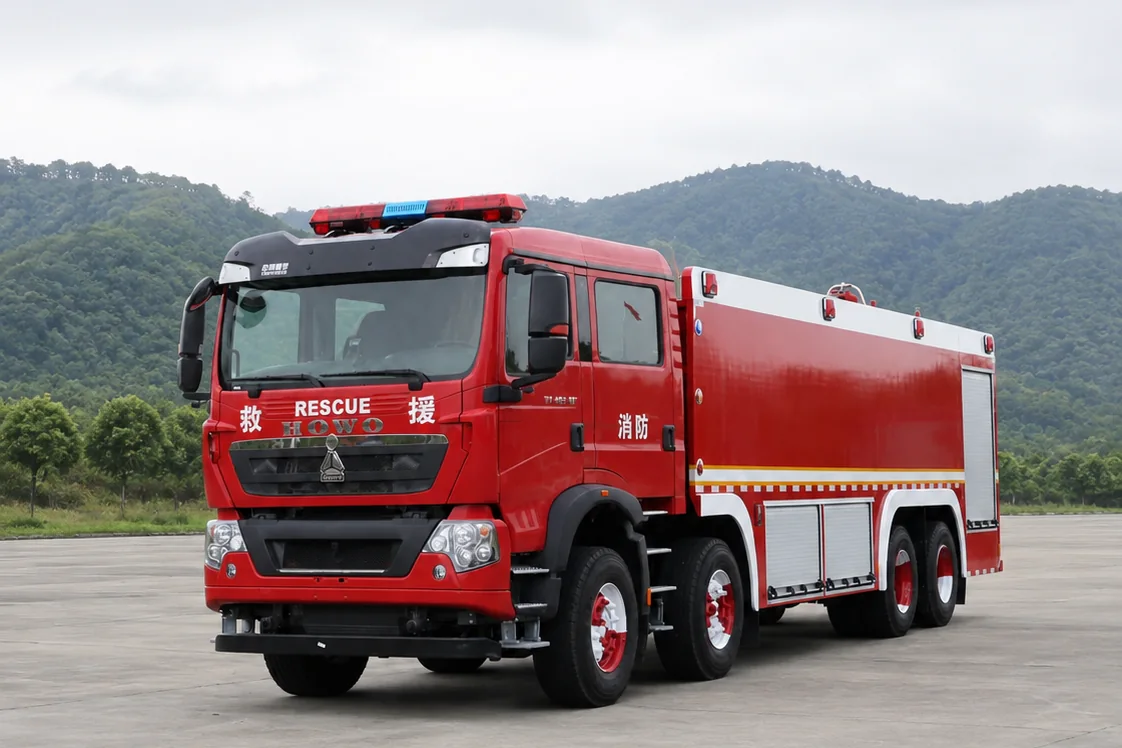
Compare the operating roles and published values below. The selected chassis, equipment and working conditions define the specification for your order.
Water carriage. Pump and monitor duty.
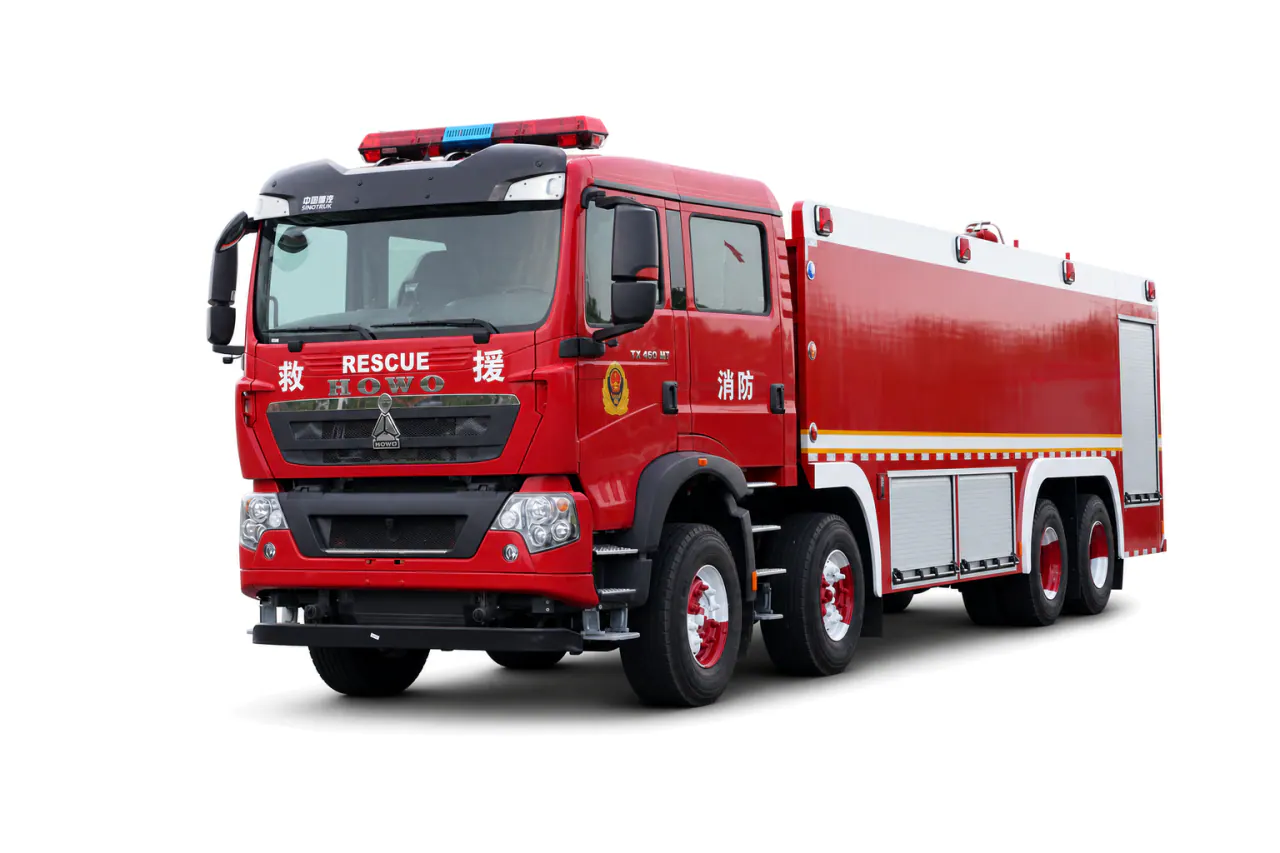
Foam-agent response. Fuel-storage incident support.
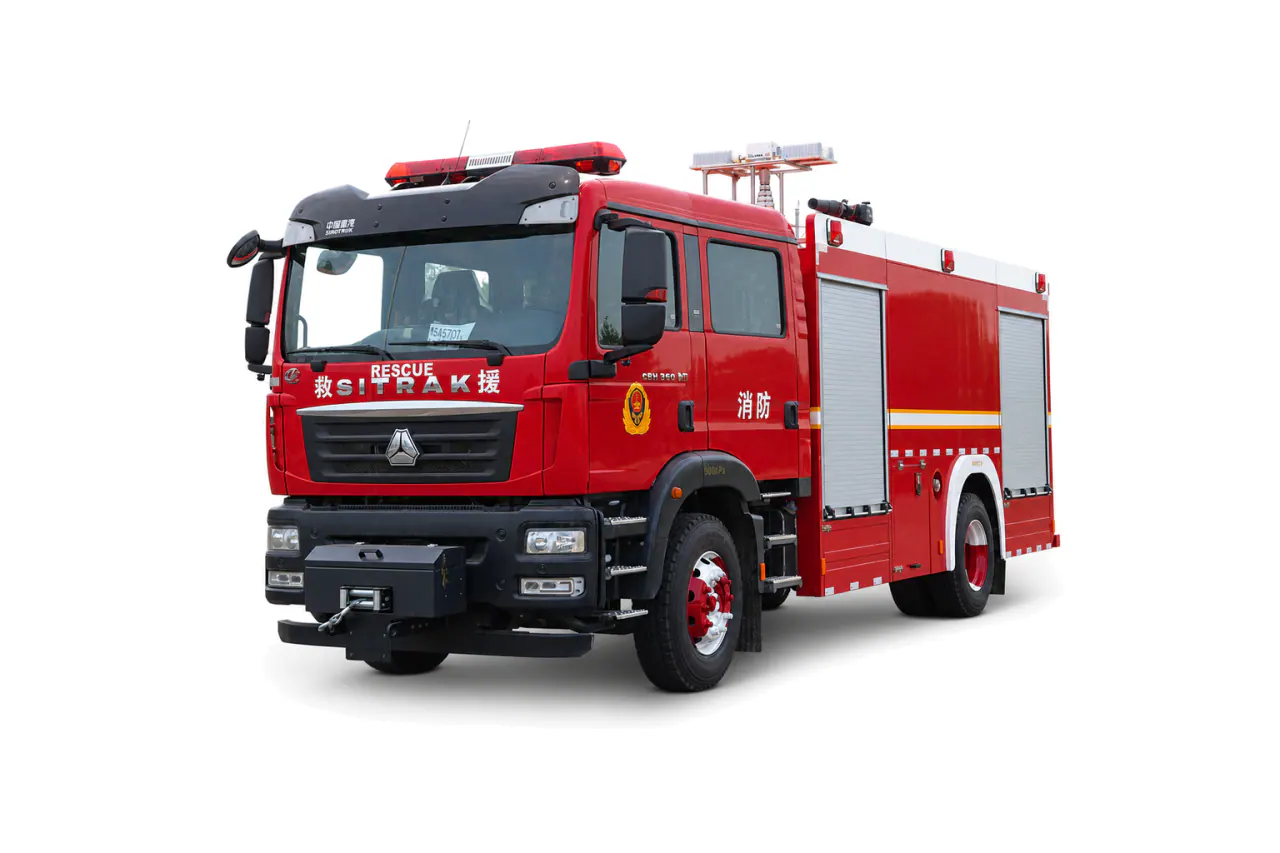
Dry-powder discharge. Selected industrial hazard response.
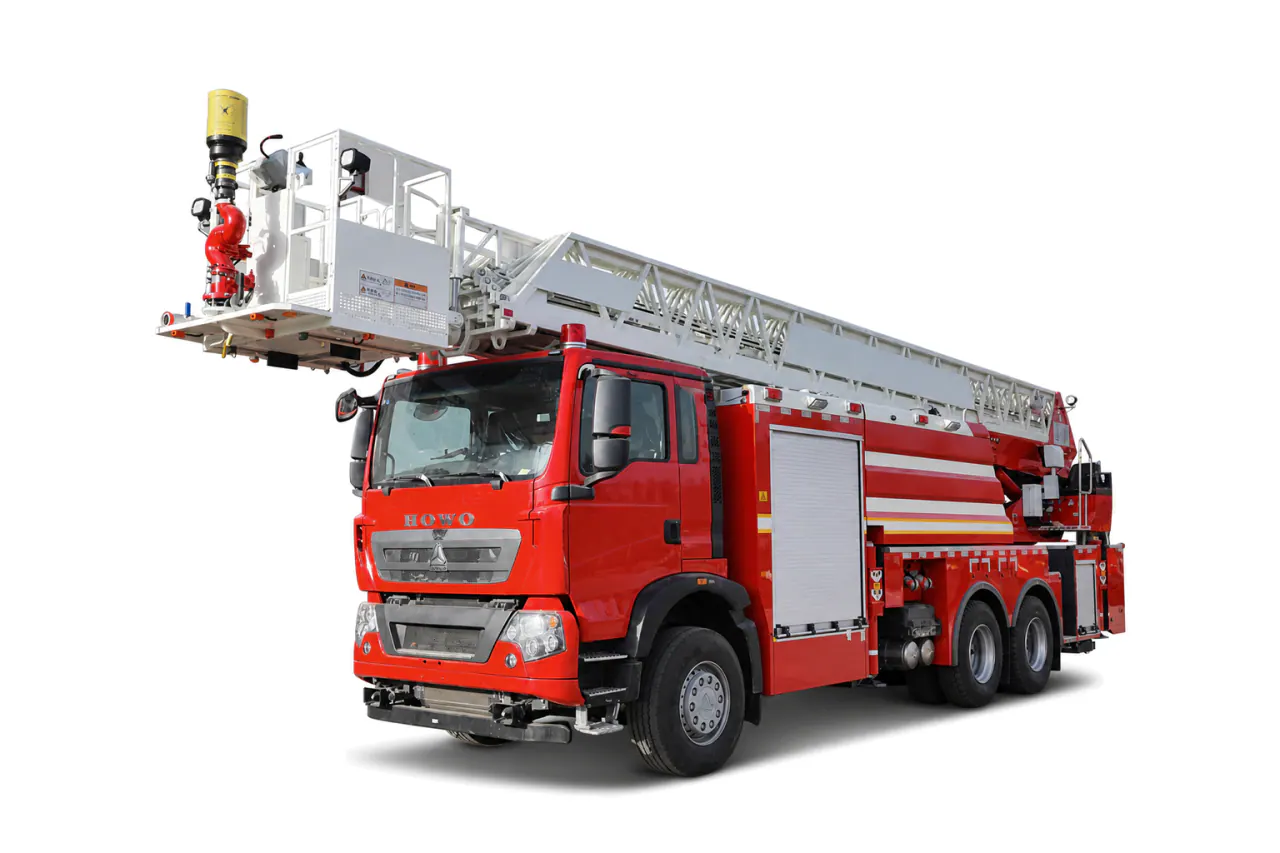
Upper-floor access. Elevated rescue support.
| Vehicle type | Operating roles | Configuration focus |
|---|---|---|
| Water Tanker Fire Truck | Water carriage; Pump and monitor duty; Rural or limited-hydrant response | Water source and refill cycle; Delivered flow and pressure |
| Foam Fire Truck | Foam-agent response; Fuel-storage incident support; Water and foam systems sized together | Hazard and agent compatibility; Concentrate quantity and proportioning |
| Dry Powder Fire Truck | Dry-powder discharge; Selected industrial hazard response; Separate agent logistics | Hazard study and powder type; Cylinder and agent quantity |
| Aerial Ladder Fire Truck | Upper-floor access; Elevated rescue support; High-level monitor operation | Working chart and basket load; Stabilizer footprint and ground reactions |
Water, foam, dry powder and aerial monitor work place different demands on storage, piping, pump and controls.
Tankage, lockers, hose lines, crew positions and controls compete for space, access and payload.
Tank size and the specified monitor reach can affect axle reserve and turning access, as well as refill planning.
The hazard and extinguishing method determine the water or agent supply plan. A water tanker carries and pumps water; a foam truck adds compatible concentrate and a proportioning system. Dry-powder trucks serve specified industrial hazards. An aerial ladder fire truck adds elevated access and monitor duty.
Review the loaded chassis together with the firefighting installation. Tank capacity affects axle reserve and route access, while the pump must meet monitor demand alongside the crew equipment carried. A long monitor range does not prove the required flow at operating pressure. Refill time and access to the receiving point may determine the response plan.
In the RFQ, name the agent and usable quantity, then specify the discharge duty. Include connections and the control method with the witnessed test conditions. Confirm destination fire-apparatus rules, crew procedures and acceptance standards for the project. A catalogue category does not confer operational approval.
Typical buyers: municipal fire brigades, industrial operators and civil-defense agencies.
Specify the extinguishing agent and the sequence of work the crew will carry out. Before requesting a quotation, review the pump installation and body layout together, allowing for crew positions and the chassis at its full working load.
What to provide: Name the hazard, agent, flow, pressure, duration, inlet and application point.
What to retain: Pump or monitor duty record, tank and agent schedule, witnessed test conditions.
What to provide: Provide crew, equipment, refill, storage and deployment sequence.
What to retain: Layout, equipment schedule, access review and completed mass statement.
What to provide: State route, water source, operating footprint and destination fire-apparatus requirements.
What to retain: Axle-load review, route assumptions, labels, manuals and agreed functional demonstrations.
Bring the duty, route, crew and equipment requirements together. Send the brief to our team to discuss the configuration.