
Water Tanker Fire Truck
Start with the water source and refill cycle, then specify the pump or monitor duty. Check loaded axle limits, route access and tank connections, and agree the acceptance tests.
- Water Tank Capacity
- 1000–20000 L
- Fire Pump Flow Rate
- 20–100 L/s
- Fire Monitor Flow Rate
- 20–80 L/s
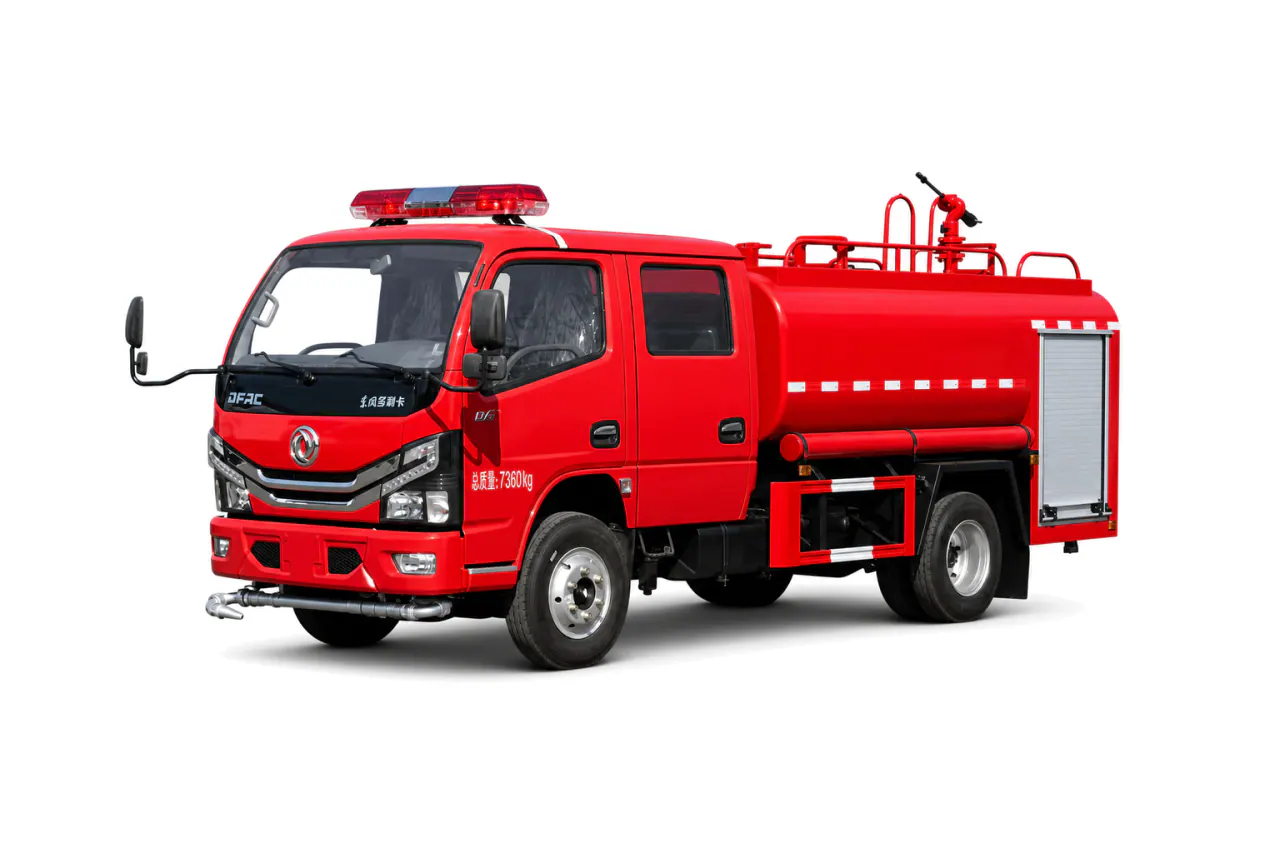 Showing Water Tanker Fire Truck view 1 of 6
Technical specifications
| Item | Value |
|---|---|
| Water Tank Capacity | 1000–20000 L |
| Fire Pump Flow Rate | 20–100 L/s |
| Fire Monitor Flow Rate | 20–80 L/s |
| Water Monitor Range | 40–80 m |
| Fire Pump Pressure | 1.0–2.0 MPa |
| Fire Monitor Type | Manual / Remote Control |
Configure for your work
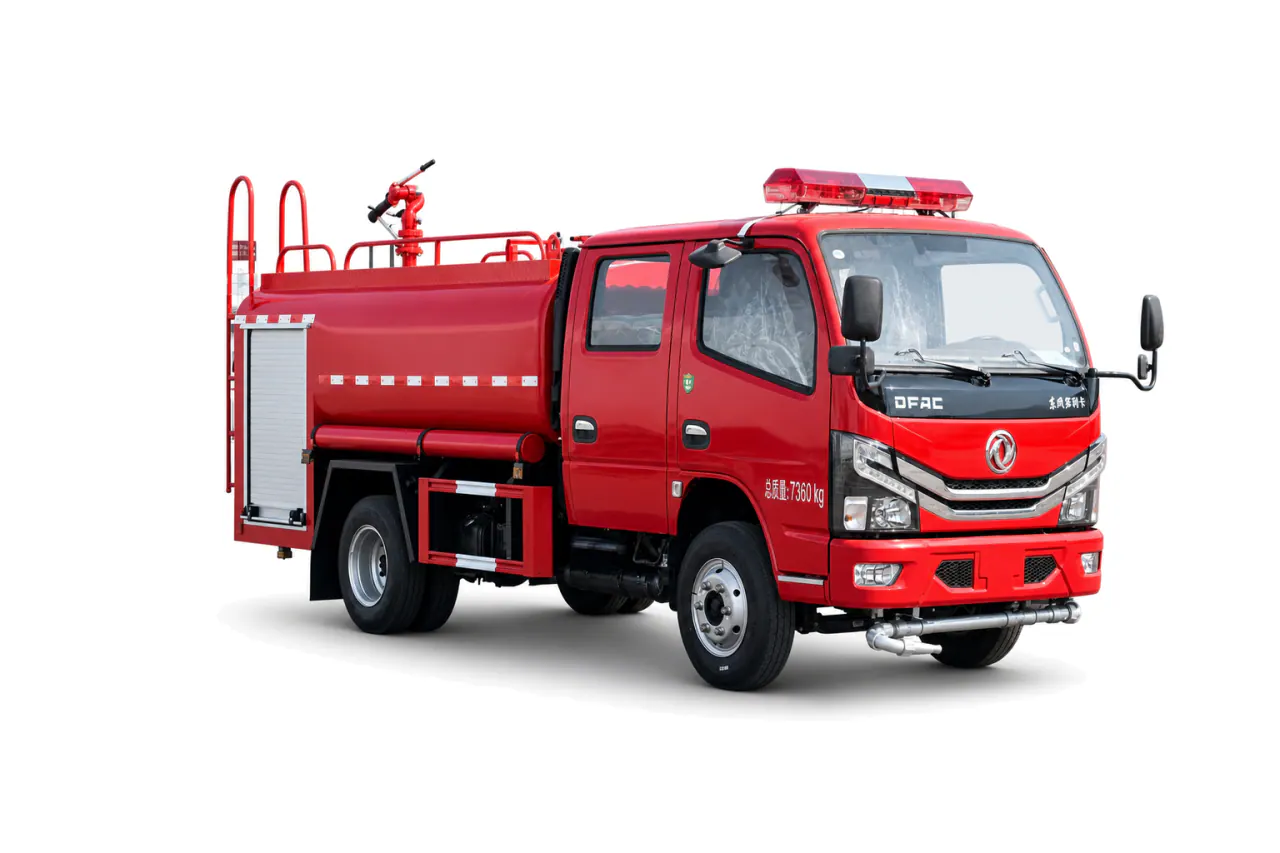
Operating roles
- Water carriage
- Pump and monitor duty
- Rural or limited-hydrant response
Items to specify
- Water source and refill cycle
- Delivered flow and pressure
- Loaded axle and route limits
- Tank, pump, monitor and hose acceptance
- Agent and discharge duty
- Name the hazard, agent, flow, pressure, duration, inlet and application point.
- Body, crew and equipment
- Provide crew, equipment, refill, storage and deployment sequence.
- Route and acceptance
- State route, water source, operating footprint and destination fire-apparatus requirements.
Acceptance requirements
- Reconcile the approved tank, pump, monitor, piping and equipment schedule to the finished vehicle.
- Witness the agreed pump and monitor duty points with identified instruments and retained results.
- Record completed-vehicle mass, axle loads, labels, access, controls, manuals and exceptions.
Build and inspection
Final dimensions, installed equipment, route suitability and acceptance records are confirmed for the selected project.
Buyer questions
How does this differ from an ordinary water bowser?
A firefighting supply vehicle needs the equipment and connections specified by the brigade. Documents for an ordinary water tanker are not enough to confirm suitability for that service.
Does a larger tank always improve the supply plan?
The refill cycle and receiving access also govern water supply. A larger tank adds loaded mass and may change the chassis or route needed.
Does a longer water throw mean more pump output?
Check documented flow at the pressure the brigade needs. The visible water throw alone does not tell you that pump duty.
Can the truck also carry drinking water?
Potable-water service requires a separately suitable system. Do not infer that suitability from the water-tank description.
Who agrees the firefighting equipment scope?
Have the brigade identify the required connections and equipment. The quotation should distinguish installed items from loose equipment and exclusions.
How should the water system be prepared for shipment?
Obtain the supplier’s drainage and preservation instructions for the tank and pump. List removable brigade equipment separately for arrival checks.
Specify your Water Tanker Fire Truck
Share the operating duty, destination and equipment requirements.