
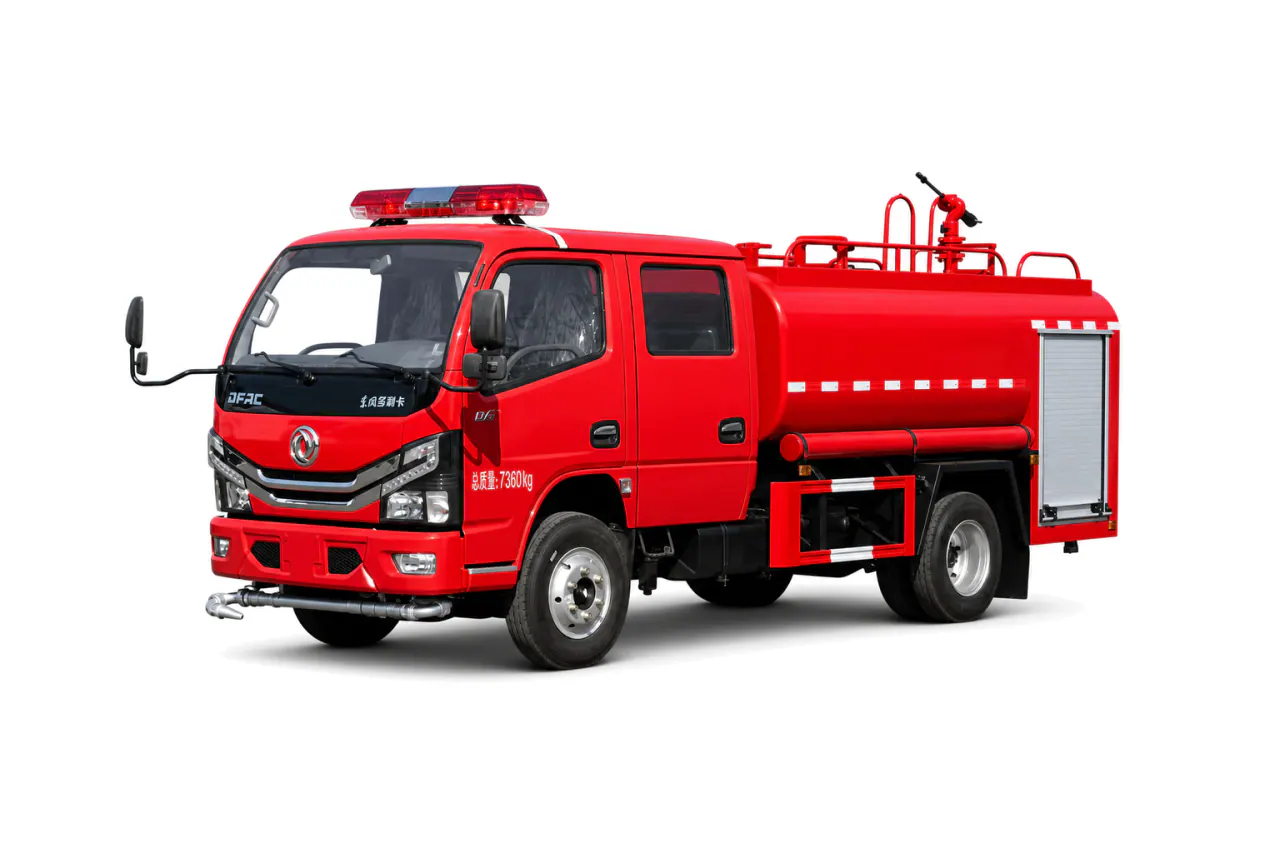
Water Tanker Fire Truck
Start with the water source and refill cycle, then specify the pump or monitor duty. Check loaded axle limits, route access and tank connections, and agree the acceptance tests.
Choose firefighting vehicles for the hazard and discharge duty they must address. Plan water or agent supply and site access around the crew, then agree acceptance tests.
Prepare this mission briefStart with the main job the vehicle must do. Include supporting vehicles when the response plan gives them a specific role.
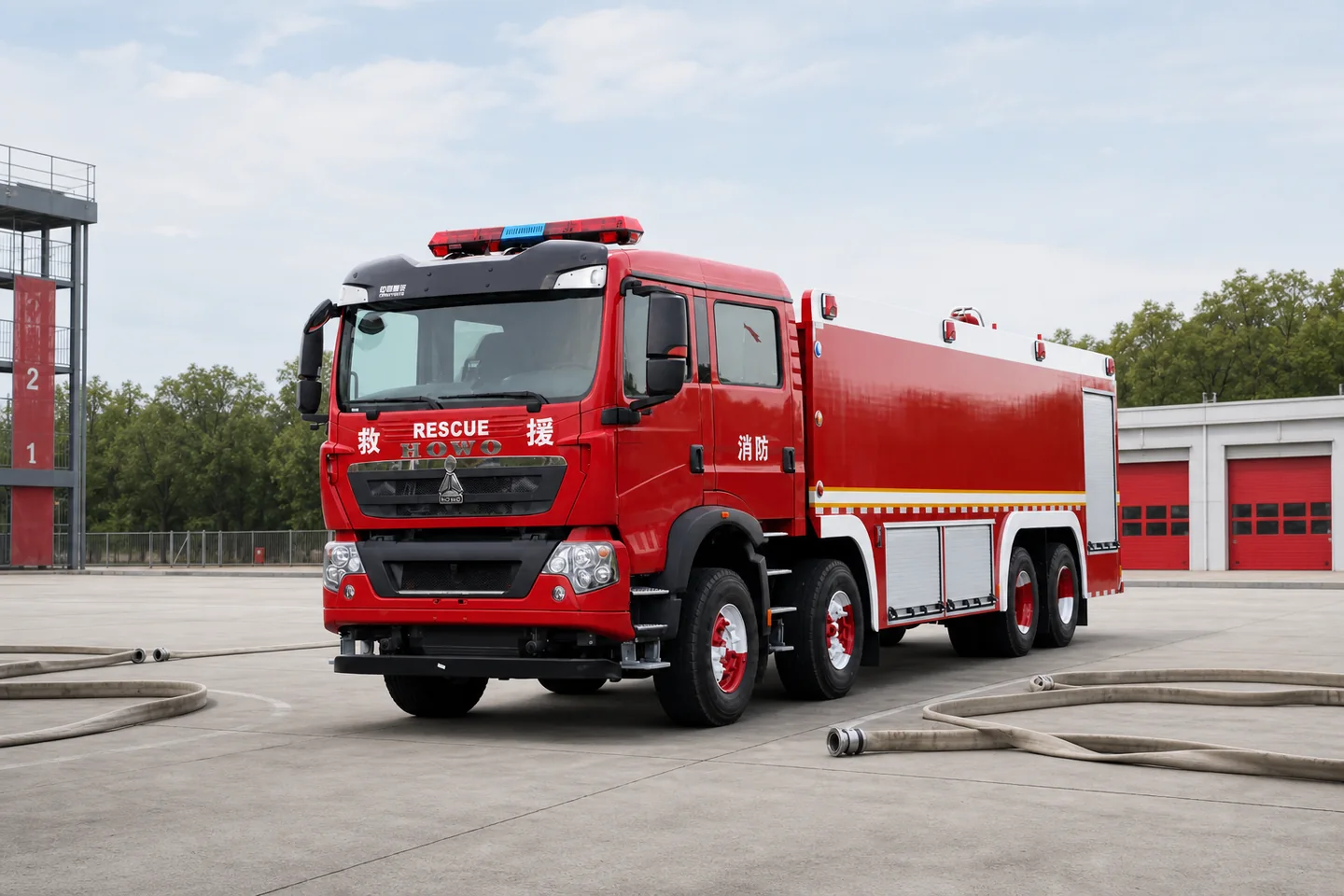
Start with the water source and refill cycle, then specify the pump or monitor duty. Check loaded axle limits, route access and tank connections, and agree the acceptance tests.
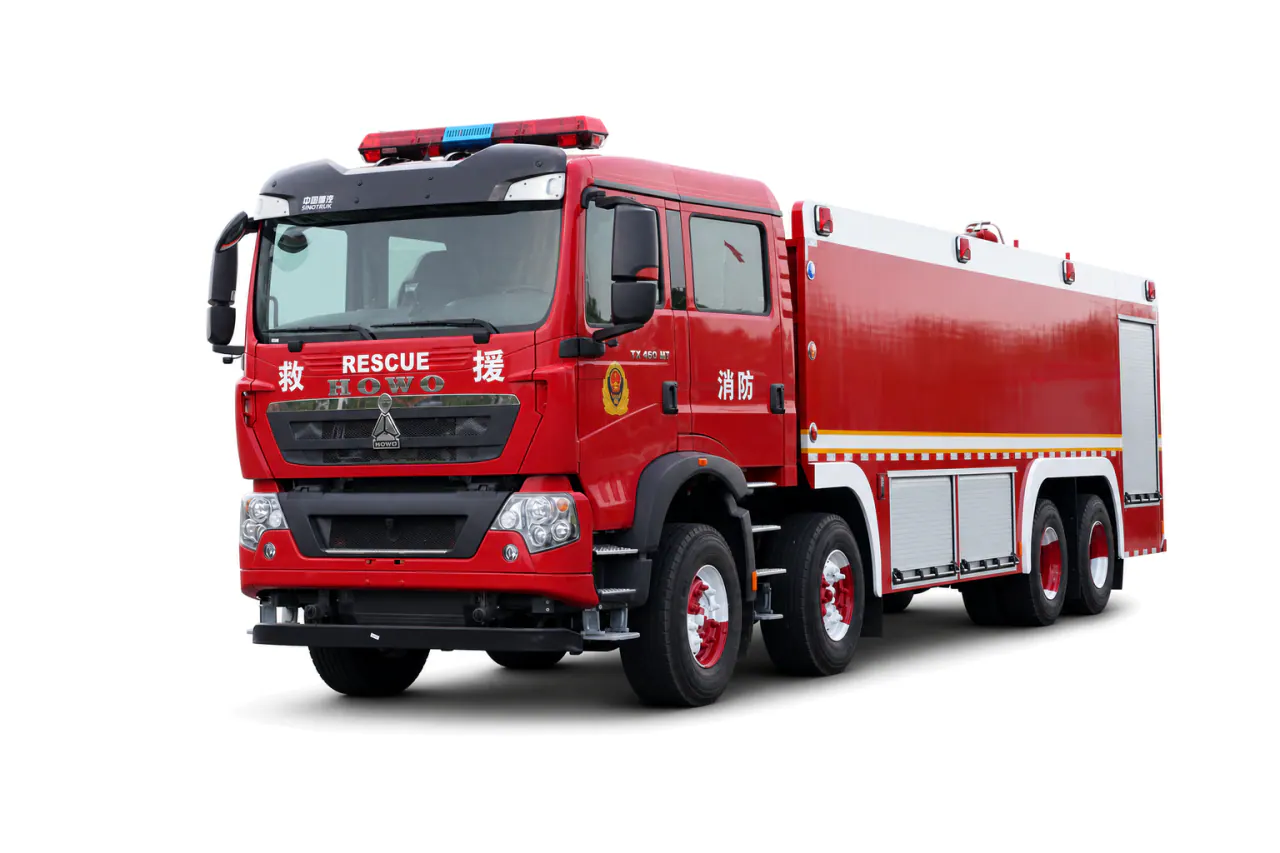
Match the foam concentrate to the liquid-fuel or industrial hazard. Specify proportioning, pump and monitor duty alongside the water supply and cleaning arrangements after use.
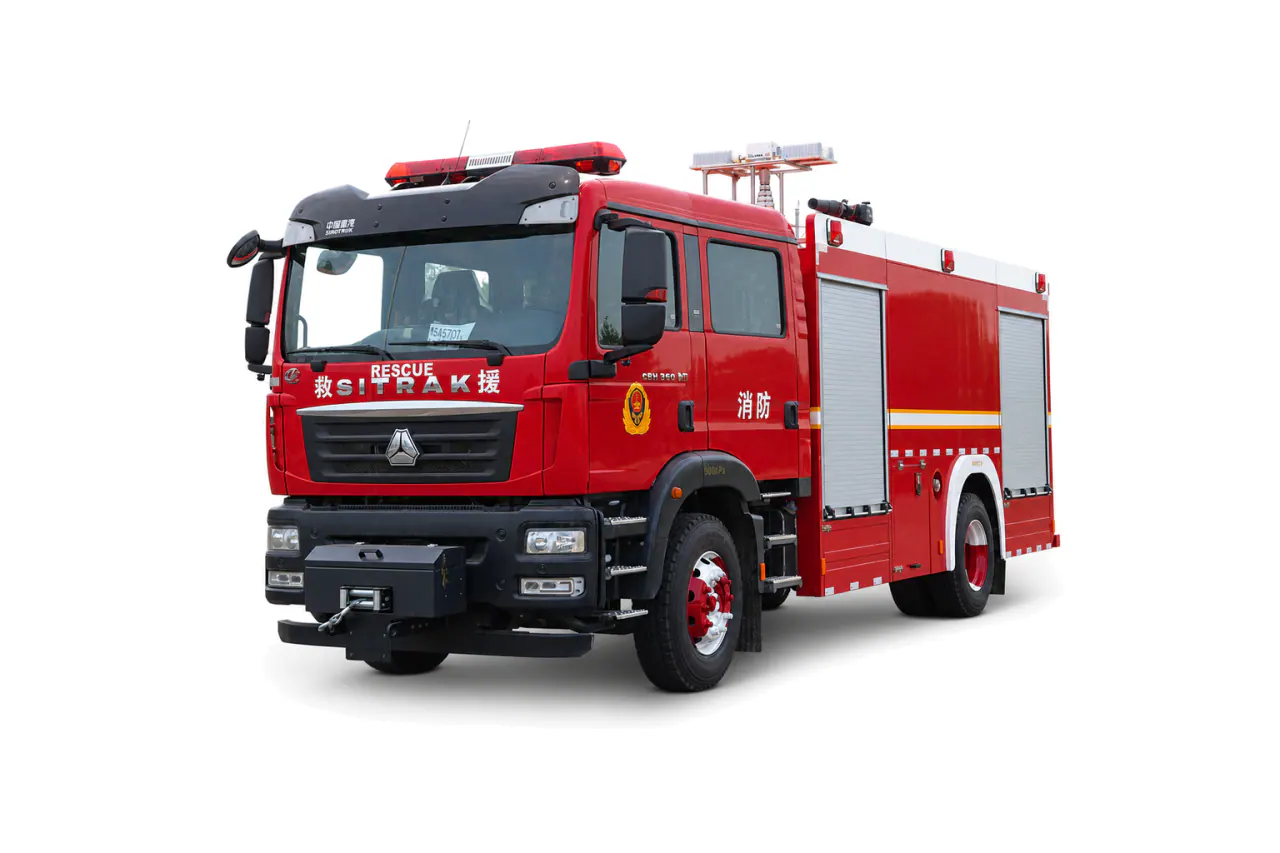
Choose the powder agent and quantity for the specific fire hazard. Agree discharge pressure, nozzle duty and refilling arrangements, together with a witnessed operating test.
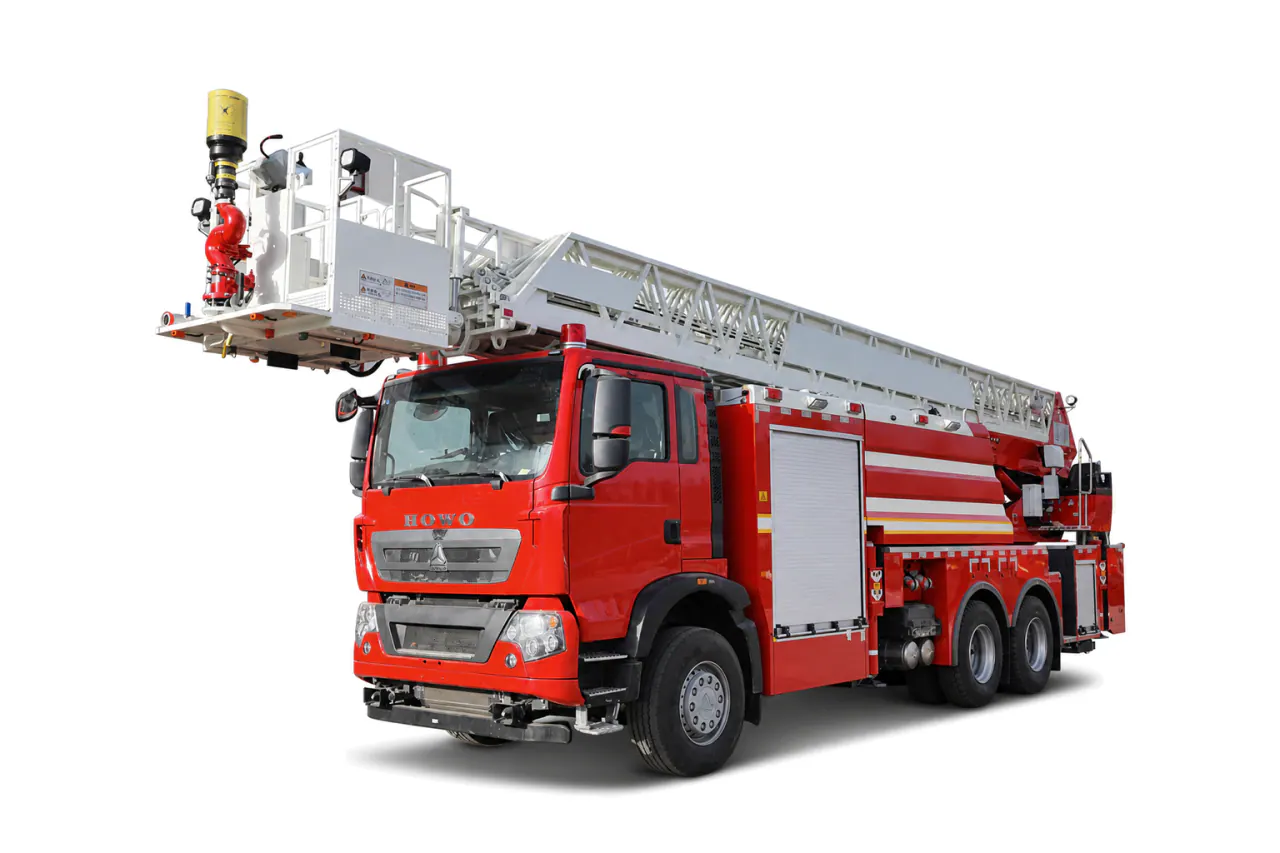
Compare reach at the required load with building access and stabilizer reactions. Specify emergency functions and the required pump, waterway and monitor duty for the aerial ladder fire truck.
Describe the hazard and the first task the crew must perform, with the agent and water source for that duty. KEEYAK can then review the body and firefighting installation against the response sequence, including crew equipment and the chassis.
| Decision | Why it matters | What to provide |
|---|---|---|
| Hazard and agent | The agent determines storage, compatibility, application equipment and replenishment. | Name the fire risk, water or agent plan and operating duration.Retain: Agent schedule, tank plan, pump/monitor basis and agreed duty test. |
| Crew and access | Crew positions, hose deployment and equipment storage affect the completed body and route. | Provide crew, lockers, water points, road access and operating footprint.Retain: Body layout, mass/axle review and equipment inventory. |
| Acceptance | A catalogue capacity does not prove duty at the scene. | Define medium, flow, pressure, instruments, witness and pass criteria.Retain: Recorded setup, measurements, labels and exceptions. |
The hazard and the crew's first operating duty determine the firefighting system. A water tanker may support initial attack or shuttle water, while foam or dry powder may suit a specifically identified industrial hazard. For elevated access, compare an aerial ladder fire truck's working chart with the site. Its waterway and setup conditions must also meet the planned duty.
Review these choices together against the signed response brief. Tank size affects axle load and refill planning, while the pump and monitor duty determine power, piping and test requirements. Check how crew positions, lockers and hose routes affect access around that equipment.
Choose equipment for the agreed work, then specify its connections and the records needed to check it.
Use these steps to prepare the configuration and acceptance brief, not as a field operating procedure.
Describe the hazard, site and response sequence.
Set the water or agent duty at a measurable operating point.
Map refill, access, crew, hose and equipment requirements.
Reconcile the loaded vehicle with axle, route and turning limits.
Agree drawings, function tests, witness records and destination documents.
This planning example is not a standard package or engineering recommendation. Set quantities from incident frequency and the area to cover, then check water supply and crew availability. Maintenance and destination requirements also need to be accounted for.
Add these vehicles only where the response plan identifies a separate duty.
Emergency Command VehicleClass B Emergency Monitoring AmbulanceReview the relevant selection and procurement guidance before finalizing the brief.
Firefighting Vehicle Selection and ConfigurationSupplier and Quotation EvaluationBring the operating duty, equipment scope and destination requirements into one configuration brief.
Send your mission requirements to our team.