
Find vehicles for your response mission
See which vehicles suit the work and where you’ll use them. Each mission guide covers equipment choices and the checks to agree before ordering.
Each fleet example needs to be adapted to your response plan.
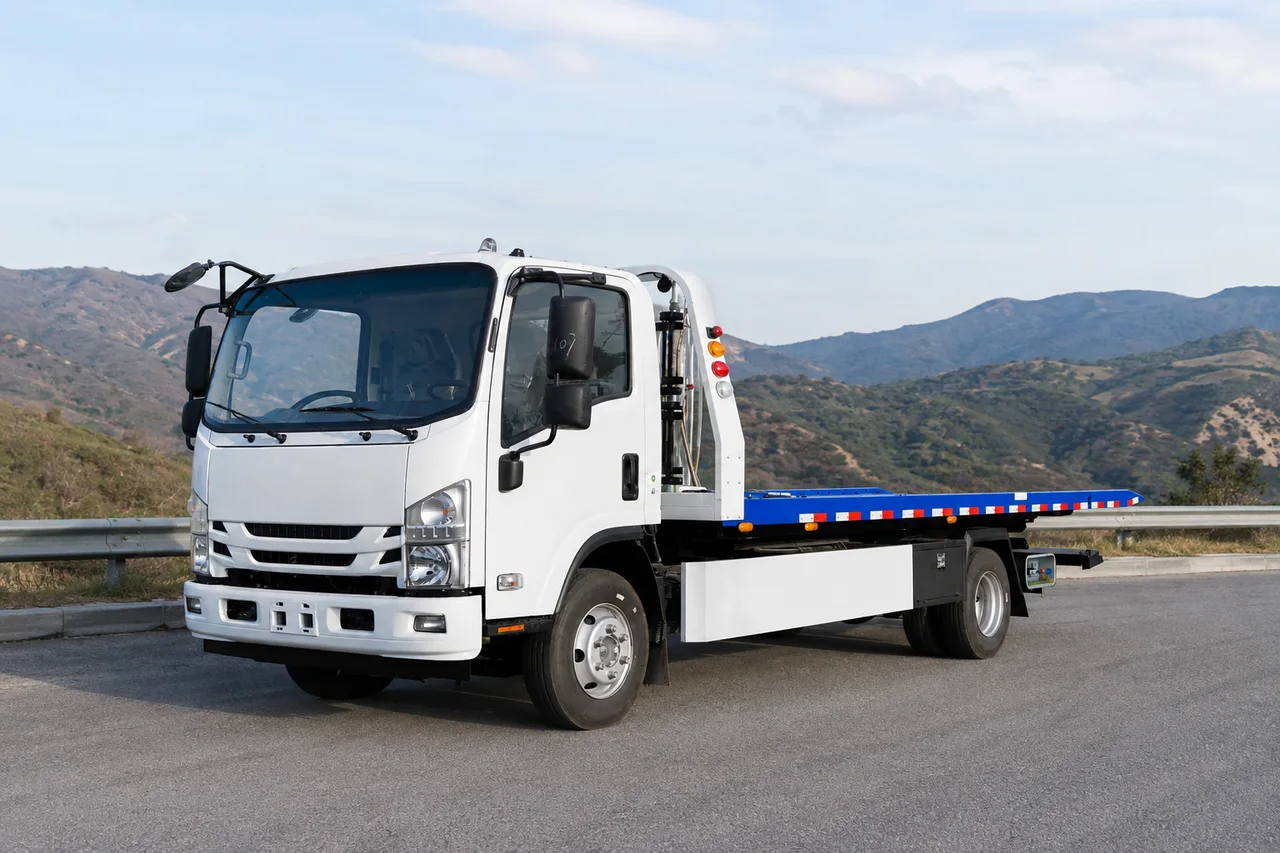
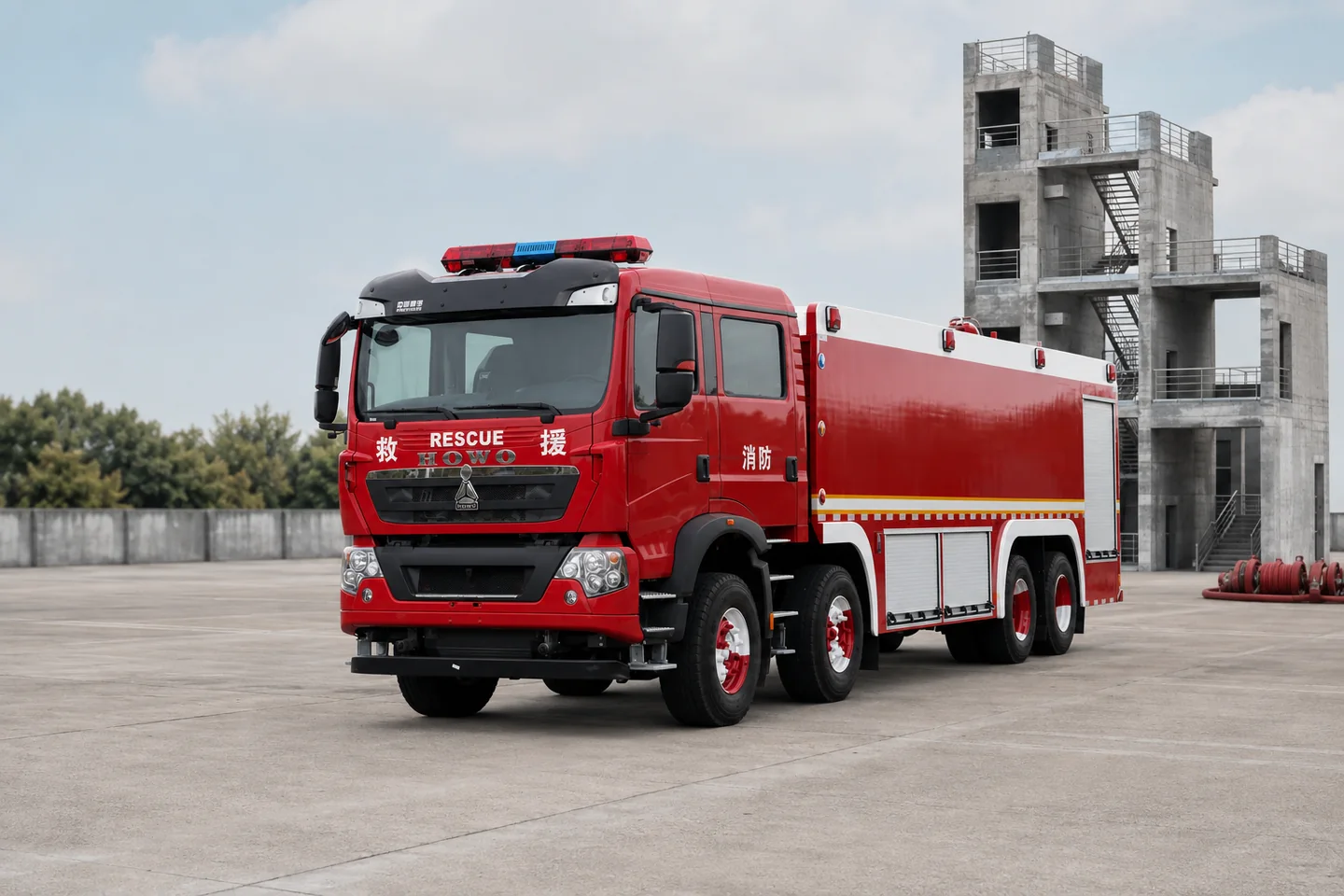
Firefighting & Fire Rescue
Choose firefighting vehicles for the hazard and discharge duty they must address. Plan water or agent supply and site access around the crew, then agree acceptance tests.
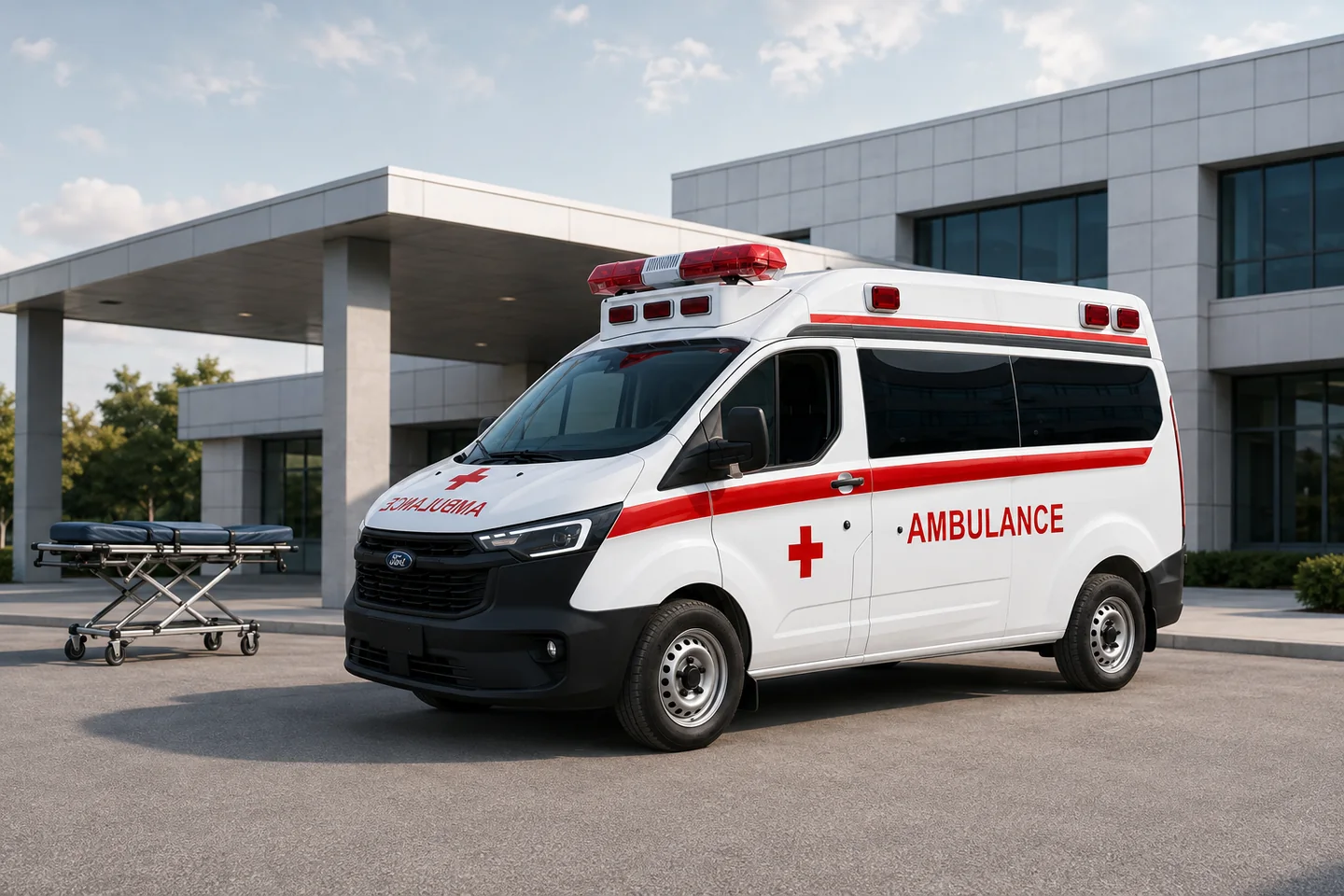
Emergency Medical Response
Plan an ambulance around the care required during transport. Fit crew movement and secured equipment into the layout, with utilities, cleaning and destination approval addressed.
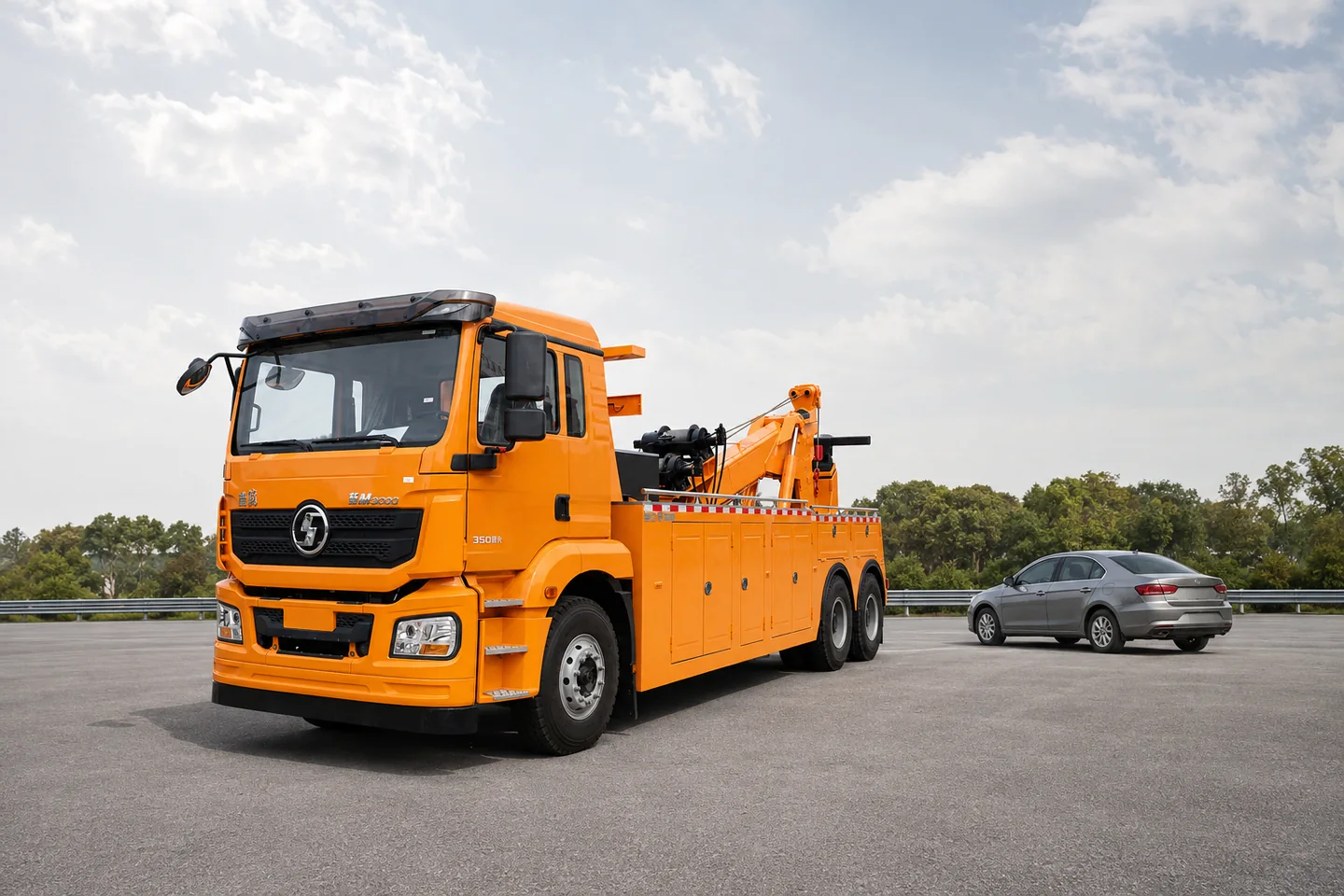
Road Traffic Accident & Vehicle Recovery
Choose a recovery vehicle for the casualty and recovery sequence. Compare each function at its required load, then check route and ground conditions, restraints and demonstrations.
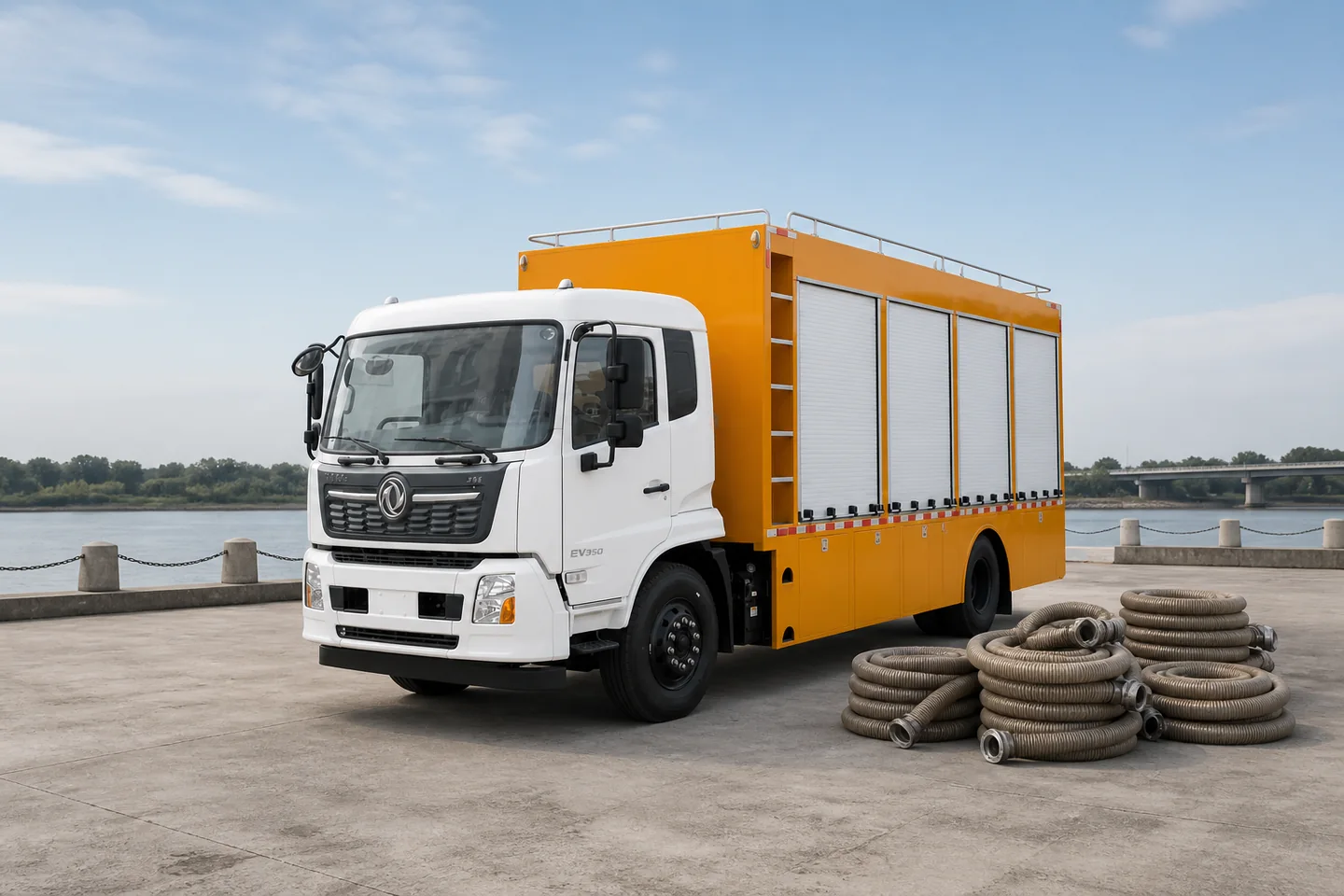
Flood & Natural Disaster Response
Size flood-response vehicles for the required pump duty and field conditions. Plan the hose route and discharge point, with enough power and maintenance support for the operating duration.
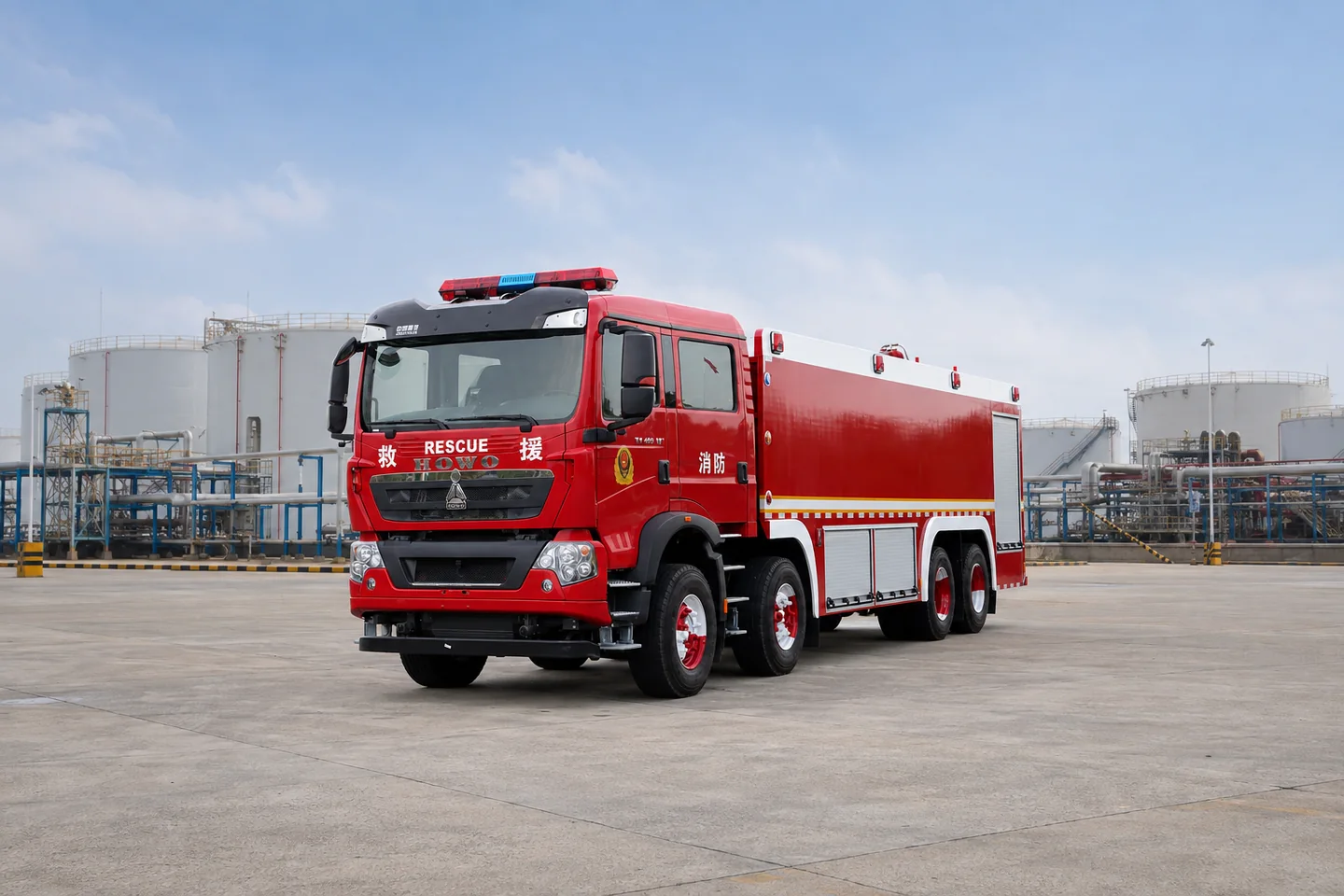
Industrial & Hazardous Incident Response
Match industrial emergency vehicles to the assessed hazard and compatible agent. Plan discharge duty and vehicle positions within the site's command, medical and exclusion-zone arrangements.
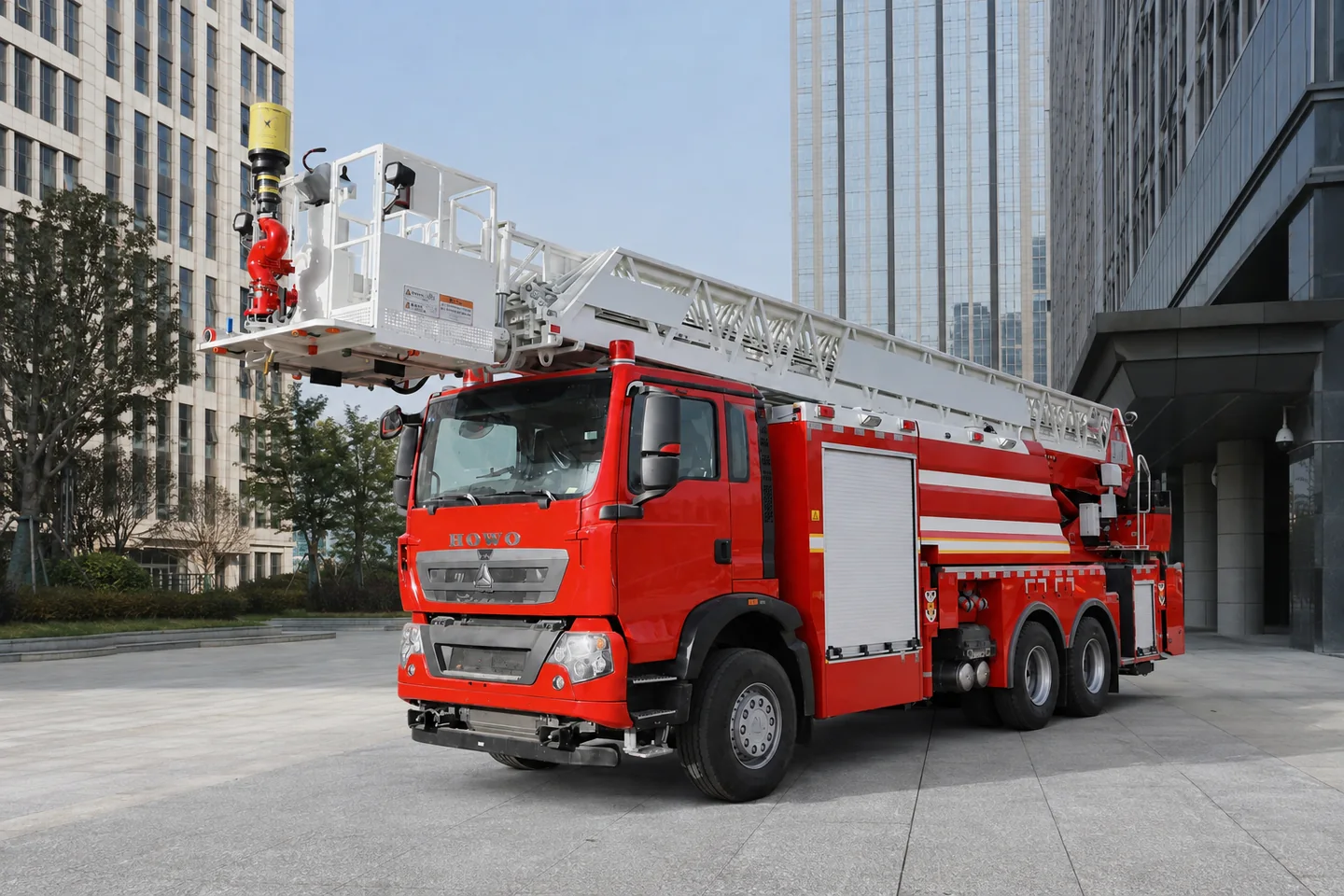
High-Rise & Elevated Rescue
Match elevated rescue vehicles to the building and required work position. Check reach at the intended load, then setup ground and access, with any fire-waterway duty specified separately.
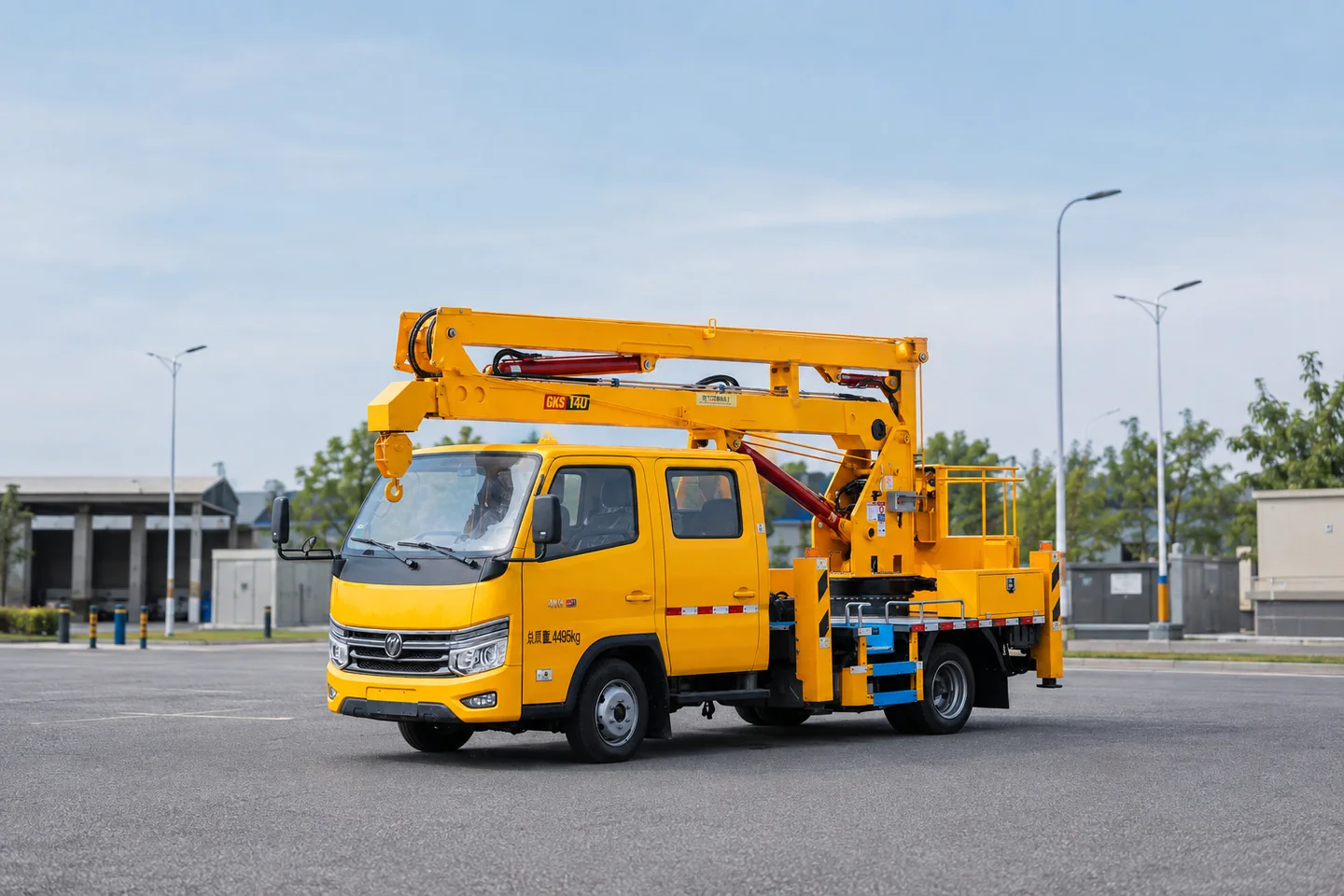
Utility & Infrastructure Emergency
Choose utility vehicles around the work position and restoration sequence. Check reach at the intended basket load, then electrical requirements, ground support and route access.
Define the mission before selecting the vehicle
A useful mission brief includes:
- Duty
- Which task controls the vehicle, body and installed systems?
- Route
- Record access, setup space, ground conditions and destination rules.
- Crew
- Identify operator positions, movement and supporting roles.
- Equipment
- List working loads, interfaces, power and equipment scope.
- Acceptance
- Agree inspection methods, demonstrations and handover records.
If your team handles several types of incident, decide which task sets the main vehicle requirements. Then work out whether support vehicles are needed. Fleet choices depend on coverage, time on site and maintenance needs; the combinations shown here are planning examples.
Prepare your mission brief
Bring the operating requirements together before comparing vehicle families and supplier quotations.