
Dry Powder Fire Truck
Choose the powder agent and quantity for the specific fire hazard. Agree discharge pressure, nozzle duty and refilling arrangements, together with a witnessed operating test.
- Dry Powder Capacity
- 1 / 2 / 3 / 4 / 5 / 6 / 8 t
- Dry Powder Monitor Flow Rate
- Model-specific flow in kg/s; nozzle and working pressure to be confirmed
- Dry Powder Monitor Range
- 30–60 m
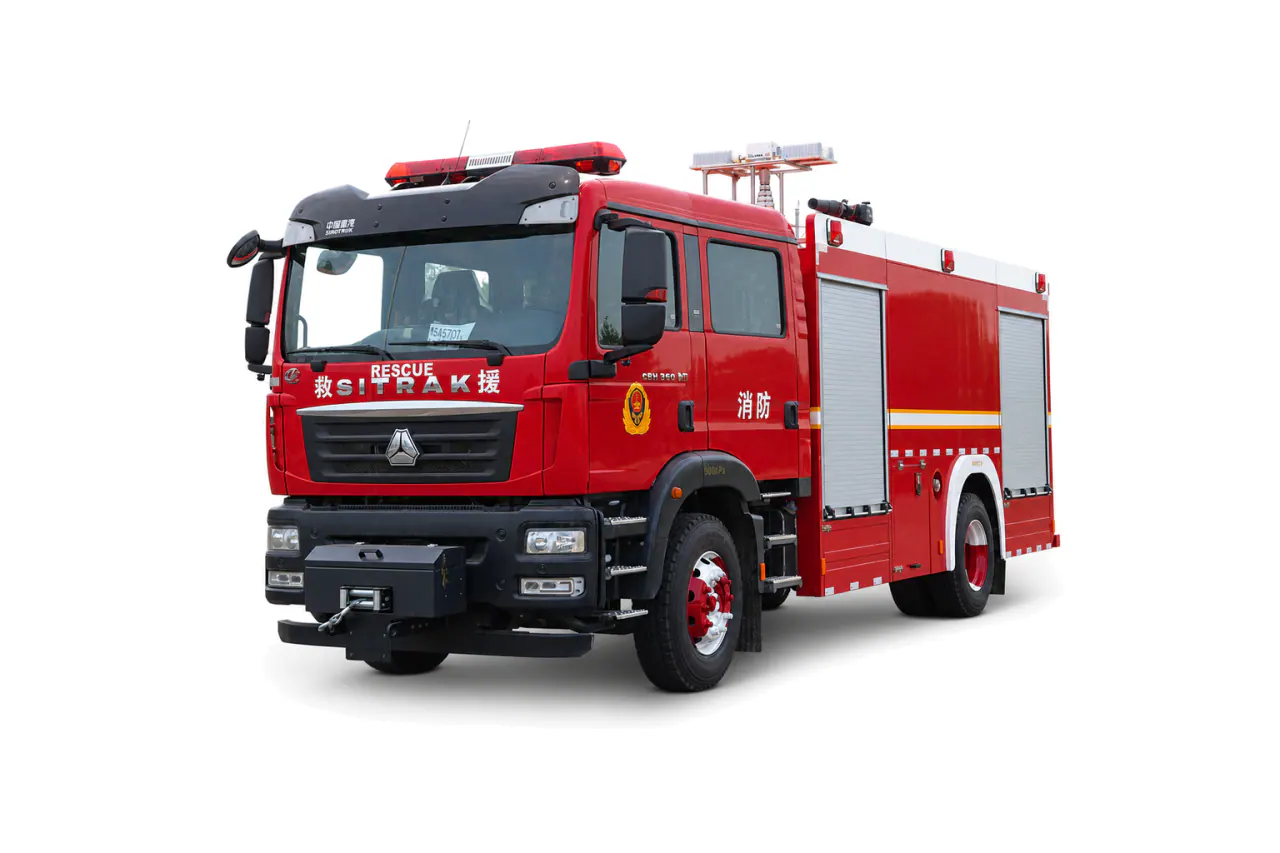 Showing Dry Powder Fire Truck view 1 of 6
Technical specifications
| Item | Value |
|---|---|
| Dry Powder Capacity | 1 / 2 / 3 / 4 / 5 / 6 / 8 t |
| Dry Powder Monitor Flow Rate | Model-specific flow in kg/s; nozzle and working pressure to be confirmed |
| Dry Powder Monitor Range | 30–60 m |
| Working Pressure | 1.4–2.0 MPa |
| Nitrogen Cylinder Capacity | 80–300 L |
| Operation Type | Manual / Remote Control |
Configure for your work
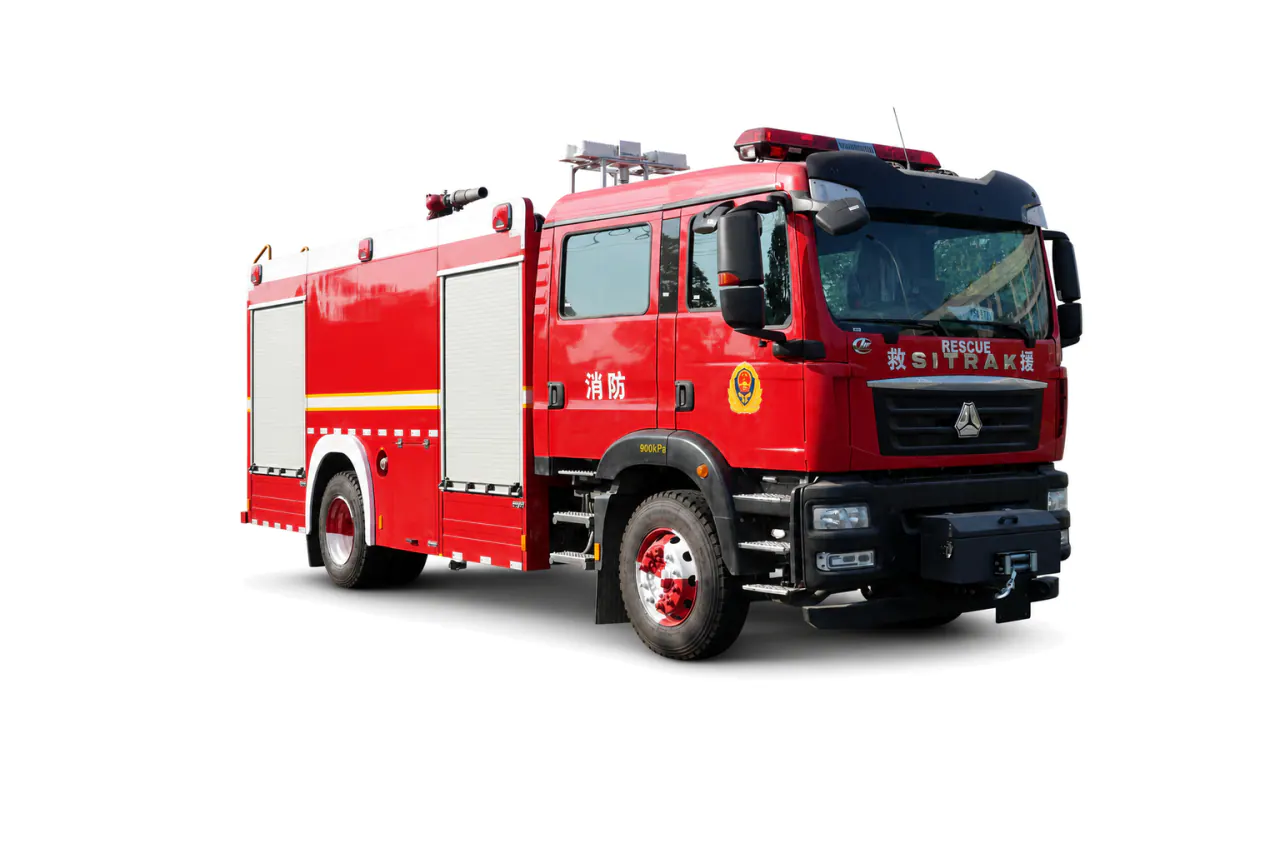
Operating roles
- Dry-powder discharge
- Selected industrial hazard response
- Separate agent logistics
Items to specify
- Hazard study and powder type
- Cylinder and agent quantity
- Nozzle pressure and flow condition
- Refill, service and witness records
- Agent and discharge duty
- Name the hazard, agent, flow, pressure, duration, inlet and application point.
- Body, crew and equipment
- Provide crew, equipment, refill, storage and deployment sequence.
- Route and acceptance
- State route, water source, operating footprint and destination fire-apparatus requirements.
Acceptance requirements
- Reconcile the approved tank, pump, monitor, piping and equipment schedule to the finished vehicle.
- Witness the agreed pump and monitor duty points with identified instruments and retained results.
- Record completed-vehicle mass, axle loads, labels, access, controls, manuals and exceptions.
Build and inspection
Final dimensions, installed equipment, route suitability and acceptance records are confirmed for the selected project.
Buyer questions
Can dry powder replace every water or foam system?
Choose the agent for the named hazard and the authority’s response plan. A dry-powder truck is not suitable for every incident simply because of its category.
Is stored powder quantity the same as discharge output?
Stored mass and discharge rate describe different things. Compare the required duration with the specified discharge duty rather than treating the two as interchangeable.
Which documents are needed for the powder system?
Ask for documents specific to the powder delivery and propellant systems. Water-pump data does not describe their performance.
Who specifies the powder?
The fire authority should identify the compatible agent for its hazard assessment. Keep that identity explicit in the quotation.
What needs agreement with the carrier?
Confirm shipment condition and documentation for the powder vessels and any propellant cylinders. Preparation for an empty water truck is not a substitute.
What should the packing list distinguish?
Identify the agent, pressure-system items and removable discharge equipment. Separate the vehicle installation from contents or accessories supplied with the order.
Specify your Dry Powder Fire Truck
Share the operating duty, destination and equipment requirements.