
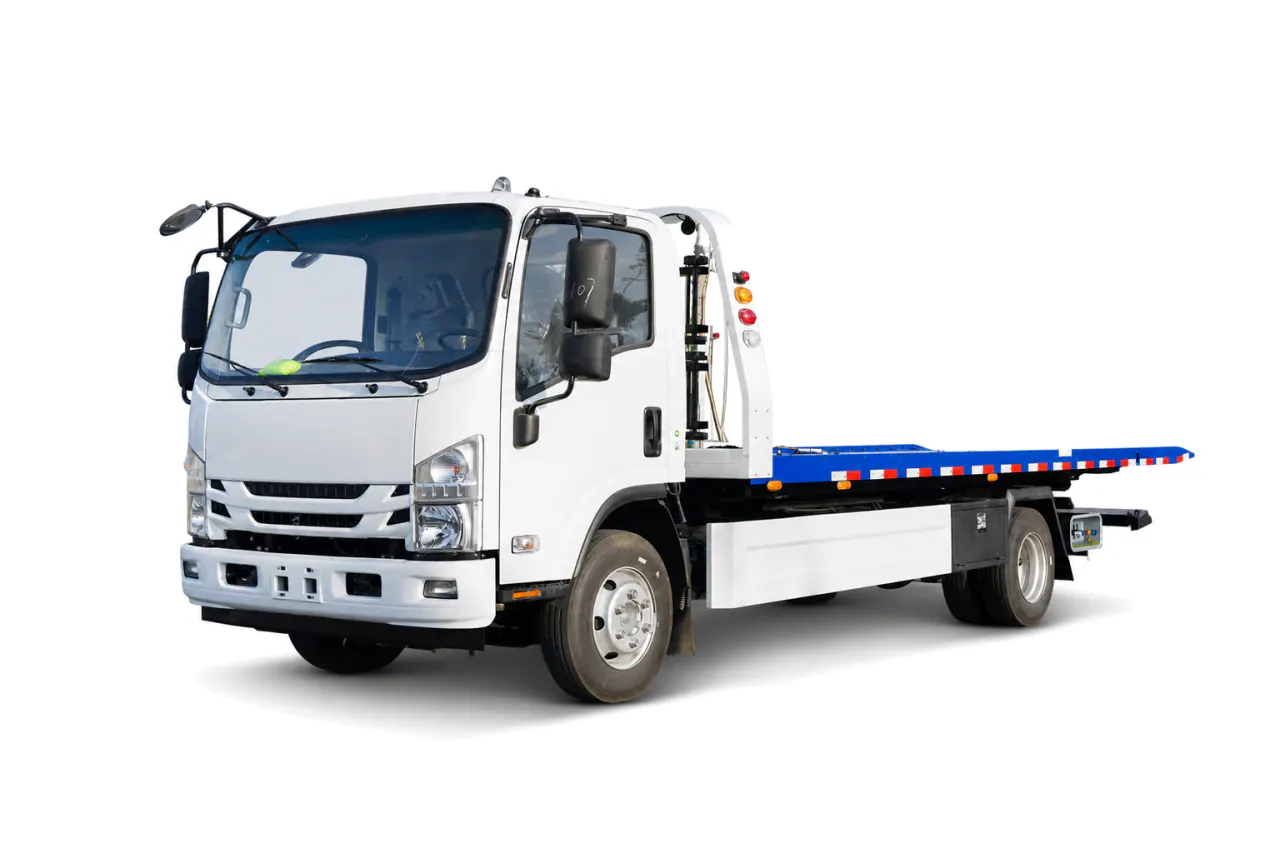
Flatbed Wrecker
Roadside vehicle recovery. Municipal fleet transport.
- Flatbed Length
- 5000–8000 mm
- Flatbed Load Capacity
- 5 t
- Winch
- 4–15 t
Choose a flatbed, integrated, pickup, rotator or crane-assisted wrecker for the disabled vehicles you handle. Compare their recovery methods against vehicle mass, route and setup conditions.
Prepare a configuration brief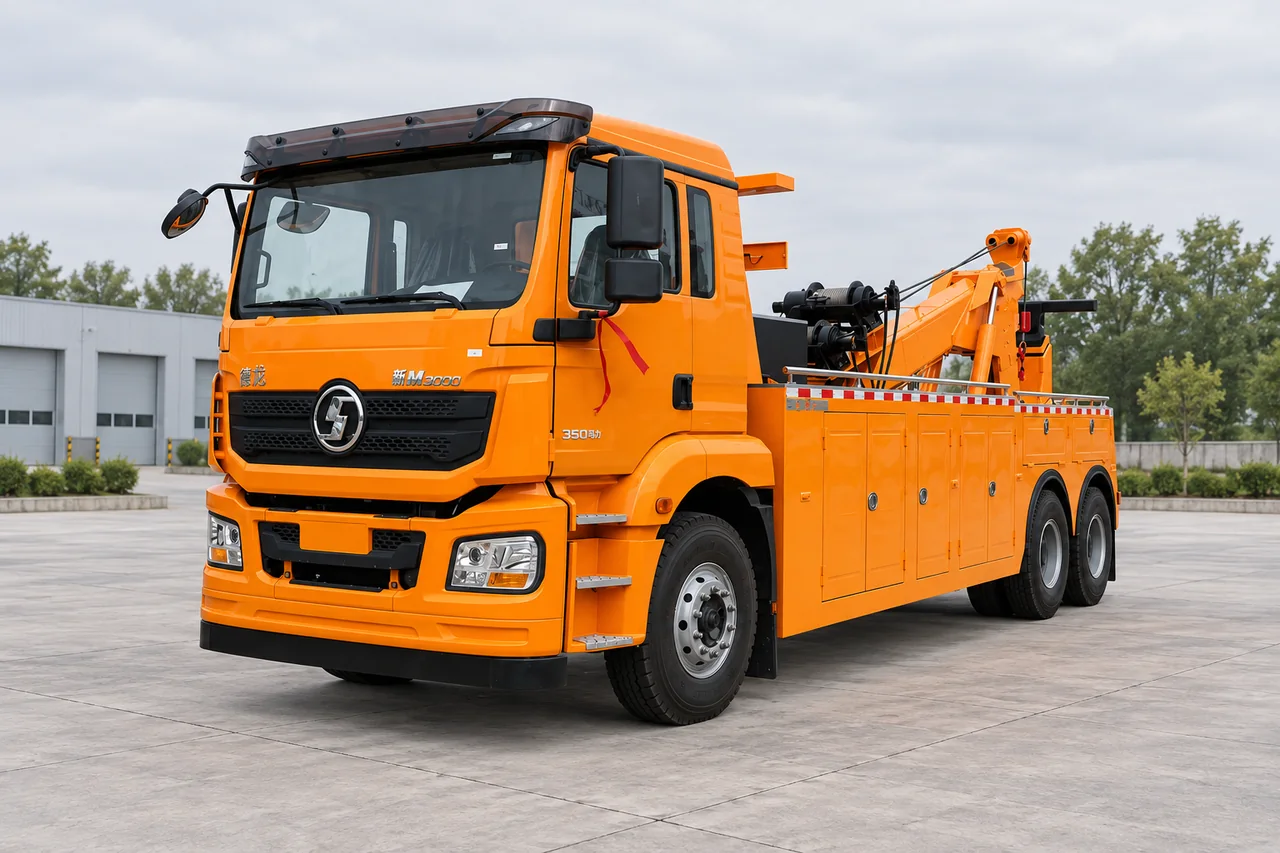
Compare the operating roles and published values below. The selected chassis, equipment and working conditions define the specification for your order.
Roadside vehicle recovery. Municipal fleet transport.
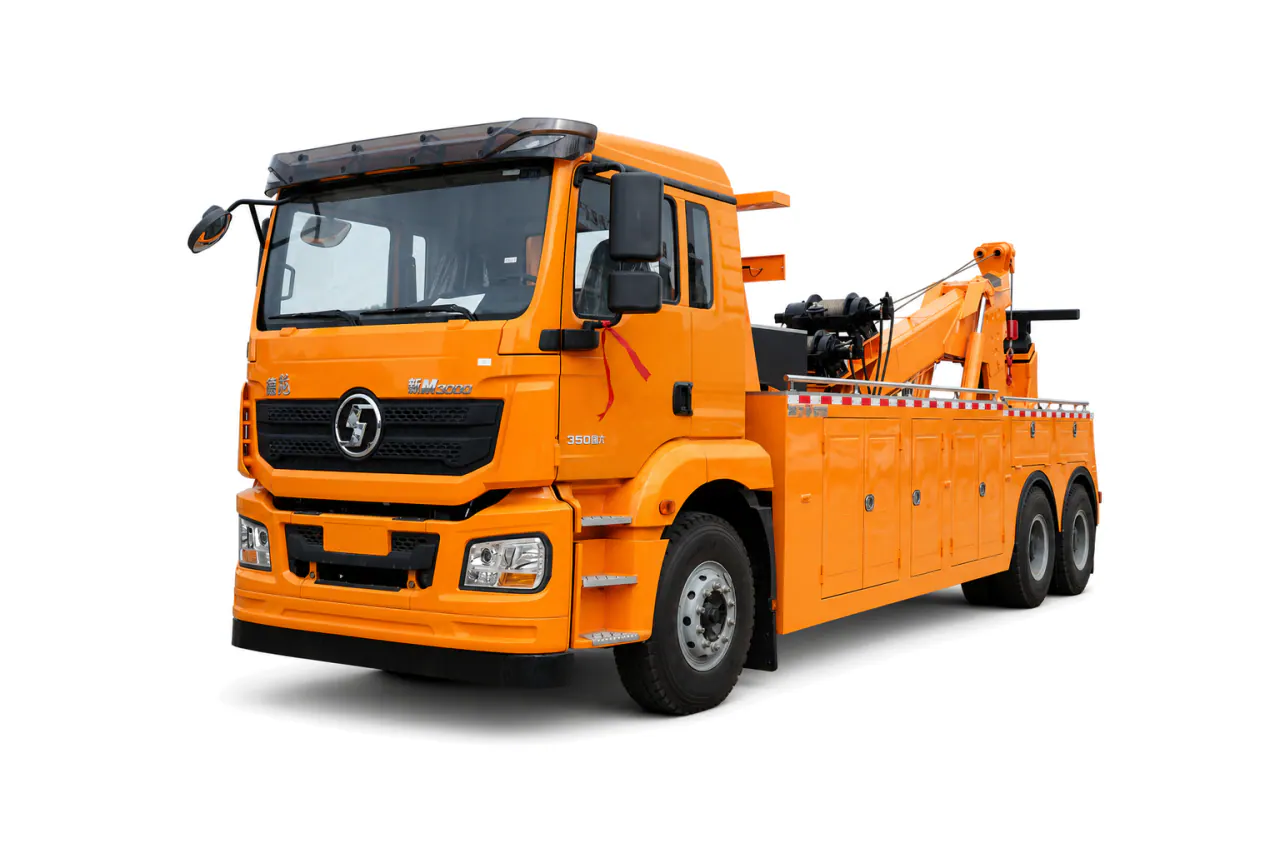
Heavy roadside recovery. Fleet and bus towing.
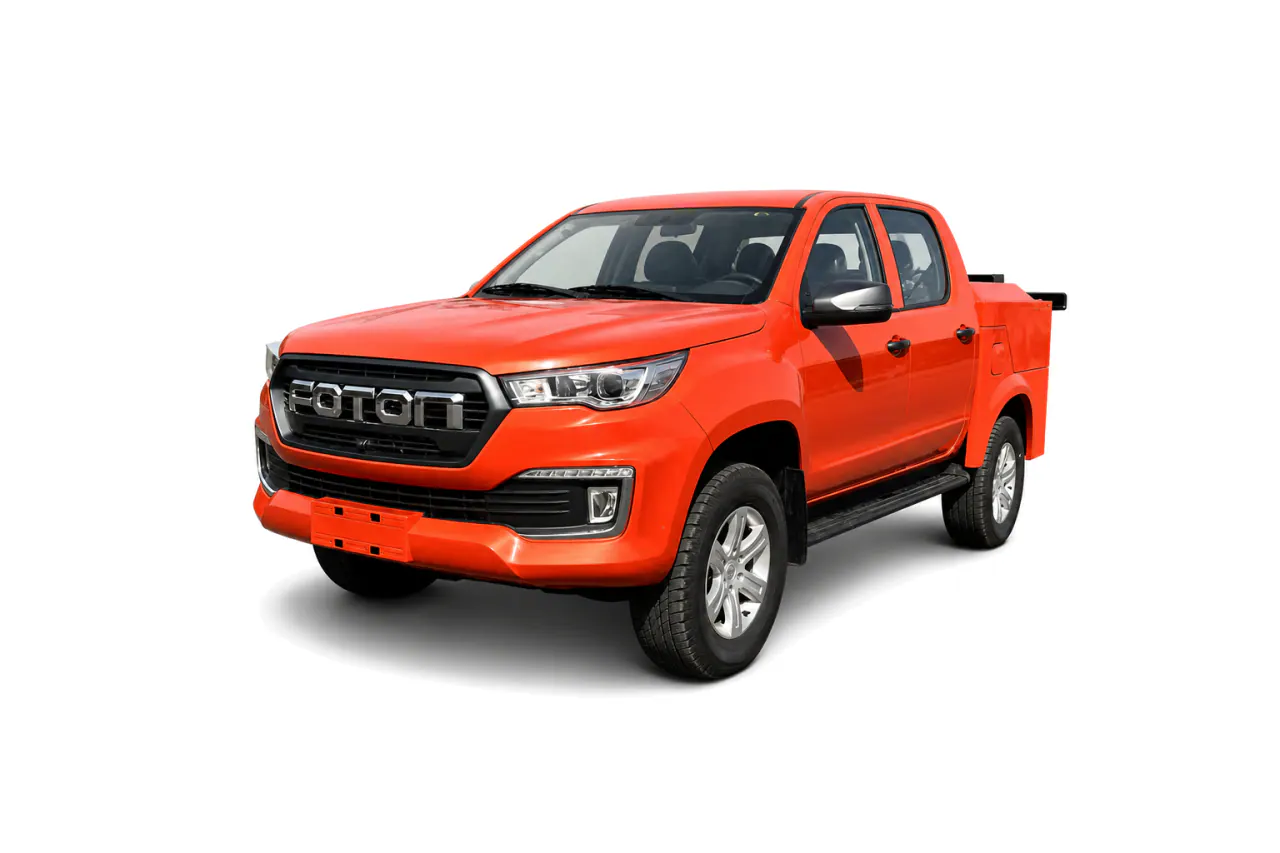
Urban roadside assistance. Parking and fleet towing.
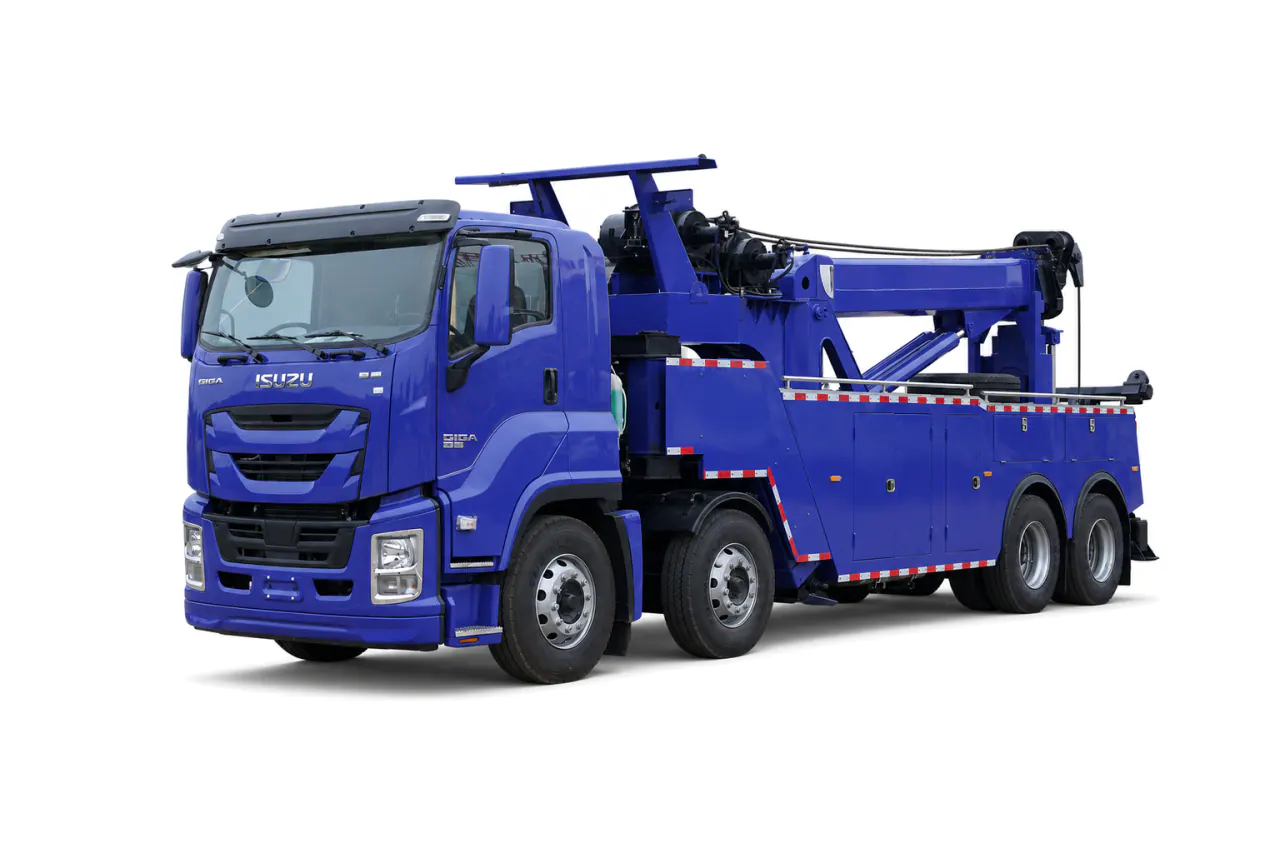
Heavy-vehicle recovery. Rollover and obstacle clearance.
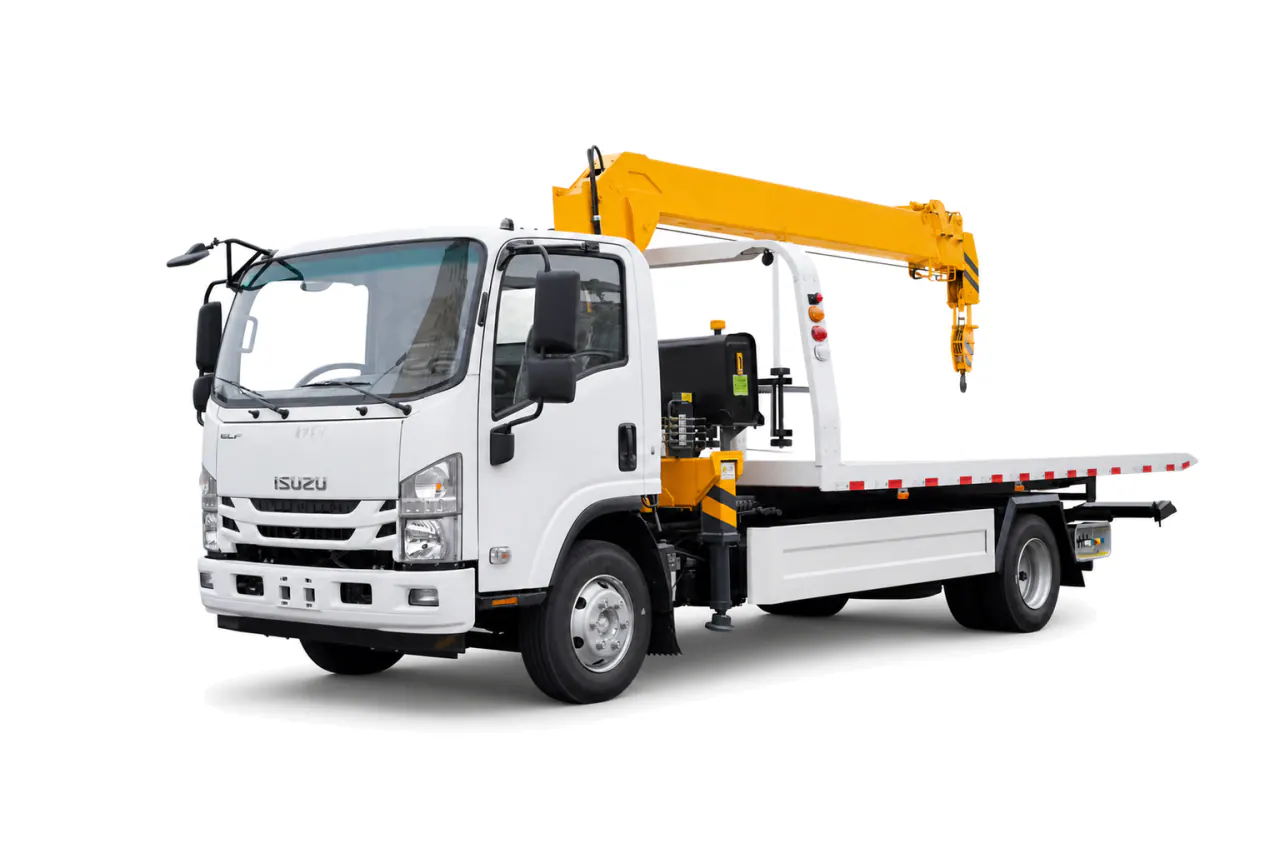
Vehicle loading with self-recovery. Equipment and machinery handling.
| Vehicle type | Operating roles | Configuration focus |
|---|---|---|
| Flatbed Wrecker | Roadside vehicle recovery; Municipal fleet transport; Workshop and contractor recovery | Deck length, width and tilt angle; Winch line pull and cable storage |
| Integrated Wrecker | Heavy roadside recovery; Fleet and bus towing; Traffic-incident clearance | Towing mass and axle limits; Boom reach and lifting geometry |
| Pickup Tow Truck | Urban roadside assistance; Parking and fleet towing; Light commercial recovery | Vehicle class and wheelbase; Wheel-lift capacity and reach |
| Rotator Wrecker | Heavy-vehicle recovery; Rollover and obstacle clearance; Industrial and highway incident response | Recovery chart and boom geometry; Outrigger footprint and ground load |
| Flatbed Wrecker with Crane | Vehicle loading with self-recovery; Equipment and machinery handling; Workshop and municipal recovery | Crane load chart and reach; Deck length and loading angle |
Vehicle mass, dimensions, attachment points and immobilization determine how the equipment can be used.
A flatbed, integrated wrecker, rotator or crane-assisted body supports different handling paths.
The capacity available depends on extension and loading angle, with stabilizer spread and road clearance also limiting the setup.
Describe the disabled vehicles and intended recovery method before comparing ratings. Full-deck transport and wheel-lift towing impose different loads; boom recovery, winching, crane handling and rotator work each need their own assessment. Towing capacity cannot stand in for supported axle load, boom lift or winch pull.
Start with the target vehicle dimensions and mass. Record how it is immobilized, where equipment can attach and any driveline restrictions. Those details inform the loading angle and working extension needed. Check axle loads and braking for the route, then confirm traffic clearance, ground condition and equipment deployment space. The largest catalogue rating may not apply at the required reach.
For each quoted capacity, ask the supplier to name the rated component and the working position and test conditions. The approved drawing should show the completed vehicle with representative loads. At handover, record the controls and locks alongside restraints and attachments, and retain the results of any agreed functional demonstration.
Typical buyers: road authorities, recovery fleets, contractors, workshops and municipal services.
Choose the wrecker configuration for the disabled vehicle and recovery method. Each platform, wheel-lift, boom, winch or rotator has its own load cases and working positions. A single towing or lifting figure cannot describe all of them.
What to provide: Describe the target vehicles, axle loads, recovery sequence and restraints.
What to retain: Load-case drawing, attachment schedule, completed mass and axle review.
What to provide: State deck length, underlift, boom, winch, crane, rigging and control requirements.
What to retain: Load chart or duty basis, equipment identity, controls and functional demonstration.
What to provide: Map setup ground, traffic space, route, braking and deployment footprint.
What to retain: Representative setup conditions, restraint checks, labels and handover record.
Bring the duty, route, crew and equipment requirements together. Send the brief to our team to discuss the configuration.