
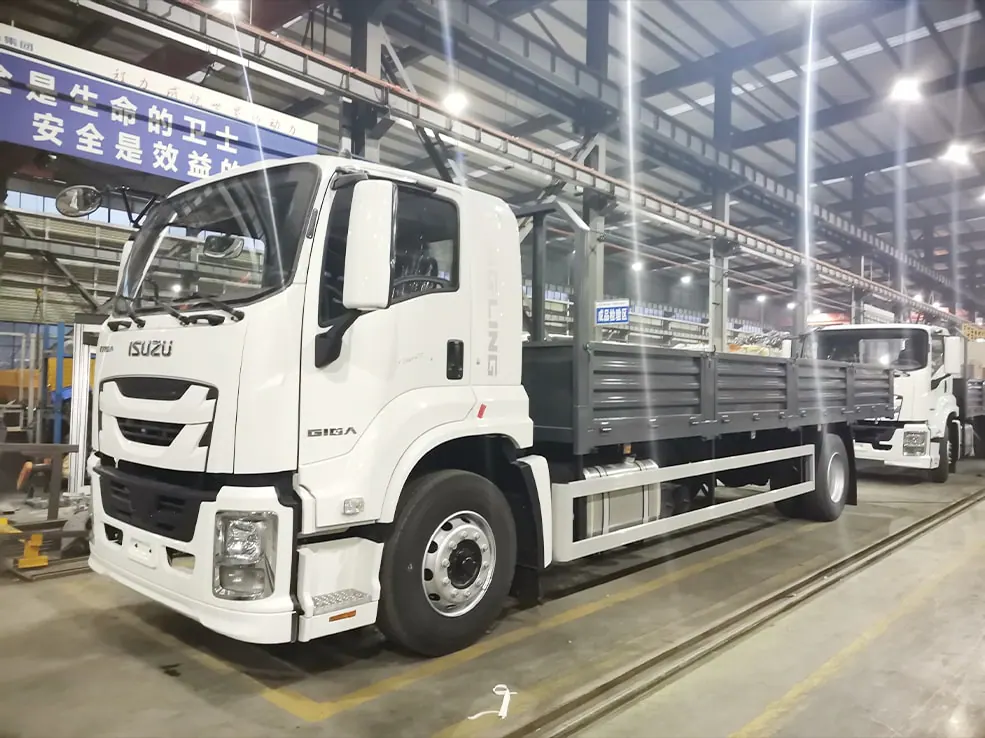
What should be checked before vehicle shipment?
Use the latest approved specification and drawing to inspect the finished vehicle. Check its identity and installed equipment, then witness the agreed operating functions. Review the documents and status of exceptions before authorizing release for shipment.
Prepare the inspection basis
Agree which revision will be inspected before the visit. Prepare the signed specification and approved drawings, with the equipment schedule, option list, supplier clarifications and previous exception records. For every checklist item, identify the requirement being checked and its revision.
Agree who will attend, what equipment or test medium is needed and which functions can be witnessed at the facility. If a destination condition cannot be reproduced, record the limitation and the alternative evidence to be reviewed.
Verify identity and installed scope
Record chassis, body and major equipment identity. Compare installed and loose equipment with the approved schedule. Check labels, controls, access doors, storage, mounts, restraints, guards, emergency stops and safety interlocks that apply to the vehicle.
Record model numbers and quantities alongside the photographs, and complete the required function checks. Clearly mark any missing or substituted items, as well as equipment supplied by the customer.
Witness the agreed functions
Test each controlling duty at the condition written in the specification. This may include pump flow and pressure, generator load steps, platform controls and emergency lowering, recovery functions, lighting, communications interfaces or ambulance utilities. Record the setup, instrument, result and witness.
A nominal rating, unloaded demonstration or unrelated test report is not the same as an acceptance result for the finished vehicle. If the full condition cannot be tested, record what was and was not demonstrated.
Review the document set
Keep the acceptance record separate from routine checks and formal examinations. UK HSE guidance distinguishes pre-use checks, inspections and competent-person thorough examinations with written findings [4]. A supplier demonstration does not substitute for whichever examination or destination approval applies to the selected equipment. The guidance applies in the UK. It neither sets a global inspection interval nor establishes that a KEEYAK vehicle has passed an examination.
- Approved drawings and final equipment schedule
- Chassis, body and major equipment identity records
- Manuals, certificates and test reports required by the project
- Spare-parts, consumables and maintenance information
- Training or demonstration records
- Exception list with owner, due date and closure evidence
- Shipping and handover documents
Control exceptions and release
Classify findings by their effect on safety, operating duty, documentation or appearance. Record the agreed correction, responsible party and release condition. Keep an item open until you have the completion evidence. If it remains unresolved at handover, carry it into the versioned handover record; a promise to do the work is not evidence of completion.
Use the blank inspection plan to record the requirement, method, condition, witness, result and evidence identifier. Carry unresolved items into the exception and handover register. These worksheets do not contain pre-approved results.
Separate factory release from shipment records
At factory release, reconcile vehicle identity, approved configuration, inspection results, accessory counts and loading instructions. Photographs and records should identify the same unit. Keep superseded drawings out of the working inspection set. [5]
An on-board bill of lading is issued later; it cannot prove an earlier factory check. Agree who obtains the transport records and reconciles them with commercial and packing documents. For a discrepancy, record the affected requirement, owner, correction and repeat-check result before the authorized release decision. The dossier should identify the accepted scope and the date of acceptance. [5]
Prepare dispatch and receiving checks
After documenting the acceptance decision and any exceptions, use the shipping and delivery guide to plan restraints, documents and arrival checks. Confirm the after-sales information that must accompany handover.
Evidence boundary
This guide is a buyer checklist, not proof that a specific vehicle passed inspection. Acceptance depends on the signed project scope, stated test conditions and vehicle-linked records. Destination registration or approval remains a separate requirement unless explicitly included.
Review checklist
- An agreed set of inspection documents
- Functional tests for the intended vehicle duty
- A release and handover record
Sources
- [1]
- [2]
- [3]
- [4]
- [5]Special-Vehicle Pre-Shipment Handover DossierKEEYAK · reviewed 2026-09-07Source retained on file
Each source supports only the planning statement that cites it. For the selected vehicle, confirm the destination law and applicable editions, along with the evidence required for that project and jurisdiction.