
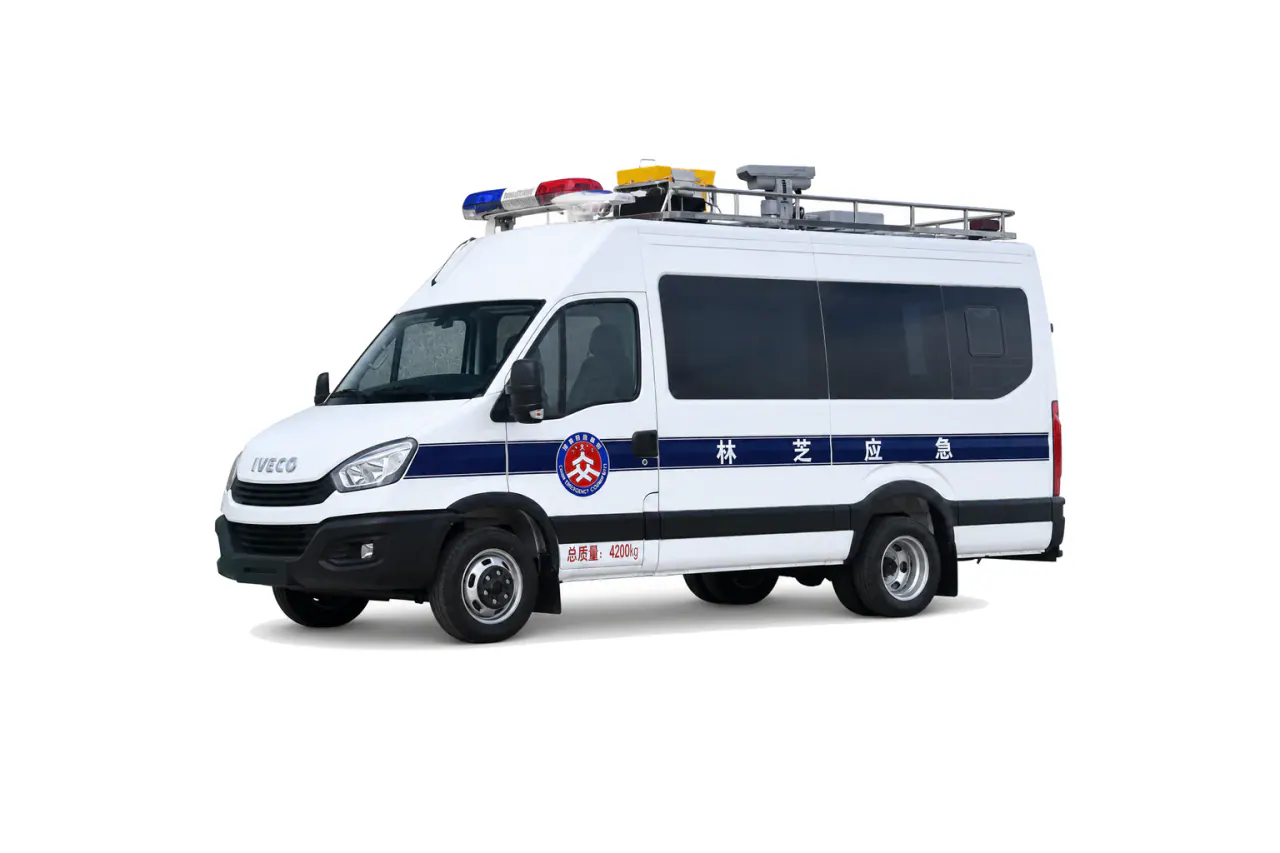
Emergency Command Vehicle
Multi-agency incident command. Civil-defense coordination.
- Body Dimensions (L × W × H)
- 3,000–8,000 × 1,800–2,500 × 1,800–4,000 mm
- Personnel Capacity
- 2–12 persons
- Command Workspace
- Consoles, operator seats and meeting area
Choose a mobile command vehicle around the work your agency needs to do. Compare operator space and communications, then check power, cooling and deployment requirements.
Prepare a configuration brief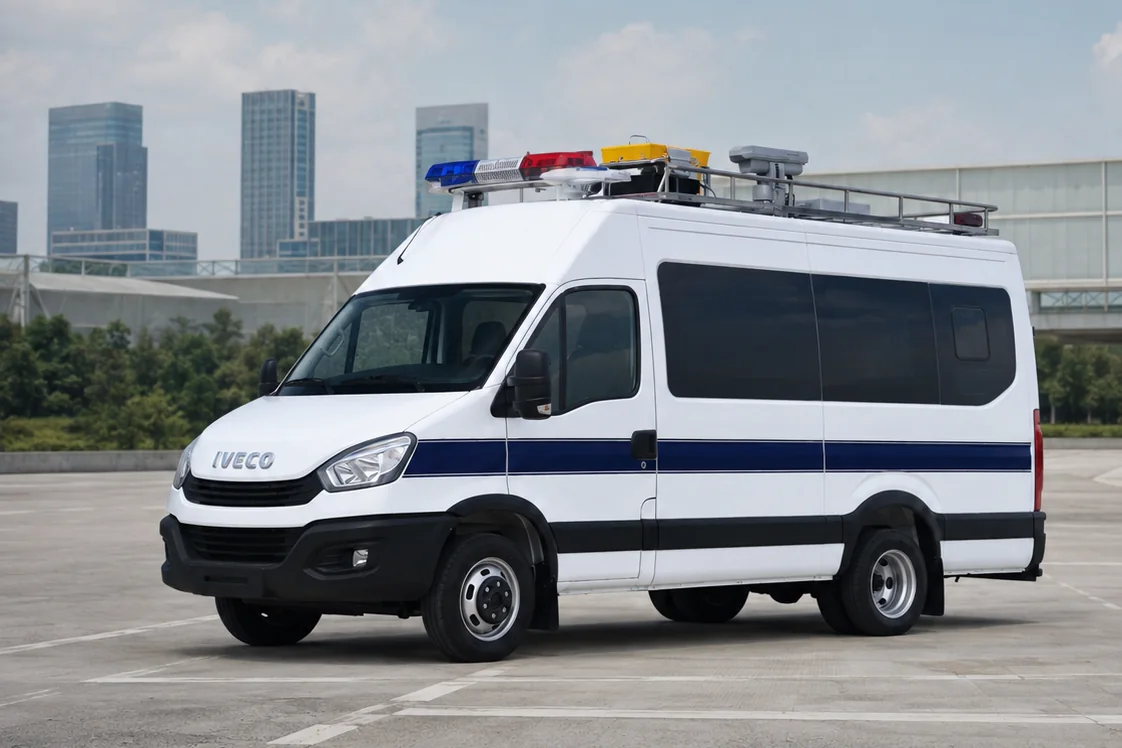
Compare the operating roles and published values below. The selected chassis, equipment and working conditions define the specification for your order.
Multi-agency incident command. Civil-defense coordination.
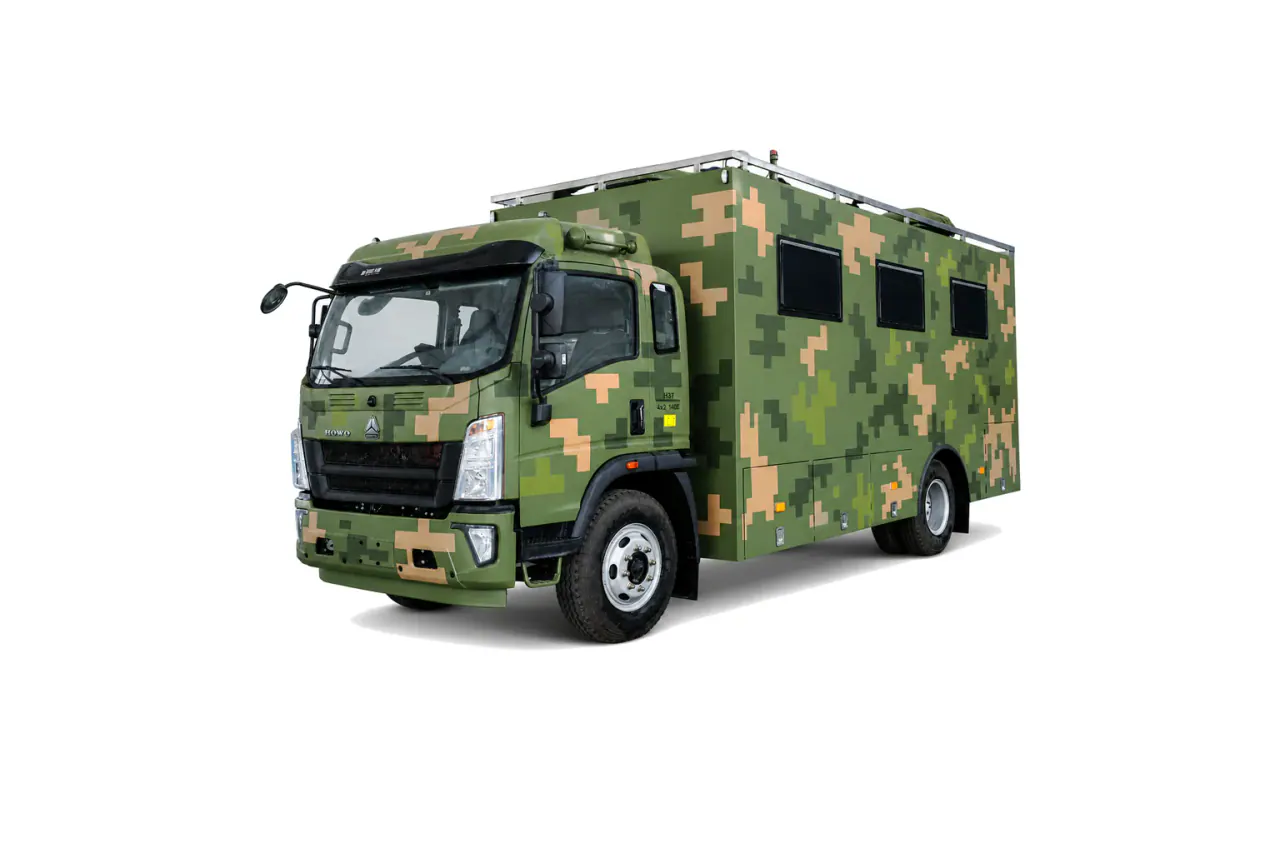
Extended emergency operations. Event and public-safety coordination.
| Vehicle type | Operating roles | Configuration focus |
|---|---|---|
| Emergency Command Vehicle | Multi-agency incident command; Civil-defense coordination; Critical-infrastructure response | Operator count and workstations; Radio, network and display systems |
| Mobile Command Truck | Extended emergency operations; Event and public-safety coordination; Remote command posts | Crew and briefing capacity; Communications architecture |
Operator roles and simultaneous work determine seating, displays, access and handover points.
Radio, network, antenna, display and data interfaces affect cabling, security and service access.
Continuous loads, UPS, generator, HVAC and pack-down affect payload and availability.
Plan the command room around the people using it. Identify who makes decisions and which agencies share information, then establish how many operators will work at once. The brief should explain which services must stay available away from fixed facilities.
Workstations and communications equipment share the available space and payload with displays, independent power and HVAC. Their combined electrical demand needs checking. The layout should show system connections and cable and antenna deployment, with enough room for operators to work, service equipment and pack down without blocking one another.
Check every quoted radio and network item against the approved interface schedule, including the displays and mast. Do the same for the generator and UPS. Before releasing the build, confirm the destination frequency allocation and information-security controls. Vehicle registration and agency procedures also need to be agreed for the project.
Typical buyers: emergency-management agencies, civil-defense teams, utilities and infrastructure operators.
Plan the command vehicle around the people coordinating the response. Design workstations alongside the radio and network systems they use, with power, cooling and deployment connections sized for the complete working room.
What to provide: Map agencies, positions, decisions, shift duration and deployment sequence.
What to retain: Interior layout, workstation schedule and user workflow review.
What to provide: Name required systems, frequencies or network interfaces where known, and responsibilities.
What to retain: Interface schedule, equipment identity, cable plan and system test record.
What to provide: Provide load schedule, runtime, cooling conditions, deployment and security needs.
What to retain: Electrical schedule, protection checks, deployment test and controlled handover set.
Bring the duty, route, crew and equipment requirements together. Send the brief to our team to discuss the configuration.