

Class A Patient Transport Ambulance
Scheduled patient transfer. Non-critical medical transport.
- Interior Compartment
- Plywood
- Stretcher Capacity
- 150–300 kg
- Patient Capacity
- 1–2 Patients
Choose an ambulance layout for patient transport, emergency monitoring or isolation. Compare the clinical workflow and crew access with the equipment and destination requirements.
Prepare a configuration brief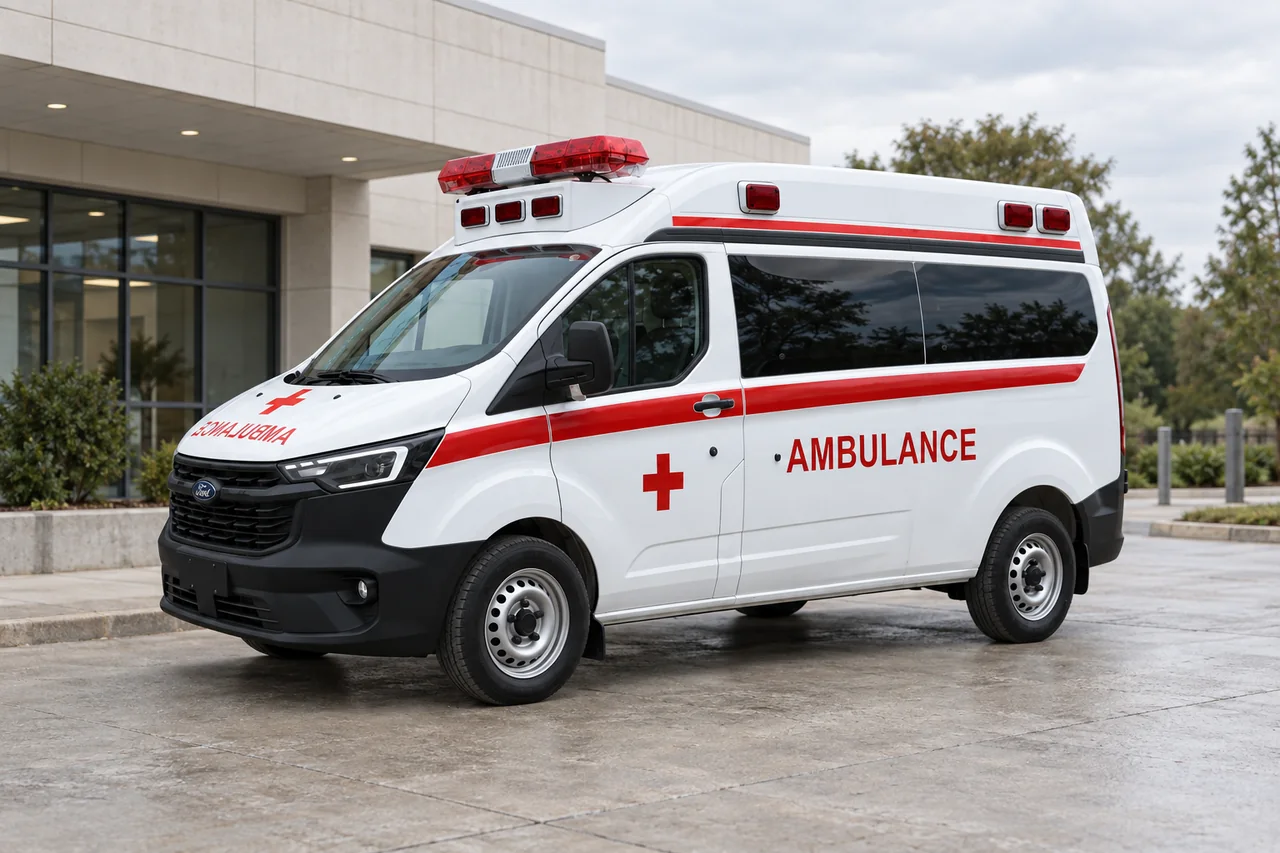
Compare the operating roles and published values below. The selected chassis, equipment and working conditions define the specification for your order.
Scheduled patient transfer. Non-critical medical transport.

Emergency medical response. Monitored transport.

Isolation-oriented patient movement. Defined infectious-patient protocols.
| Vehicle type | Operating roles | Configuration focus |
|---|---|---|
| Class A Patient Transport Ambulance | Scheduled patient transfer; Non-critical medical transport; Defined equipment programs | Patient pathway and crew role; Stretcher and seating layout |
| Class B Emergency Monitoring Ambulance | Emergency medical response; Monitored transport; Hospital and EMS fleet specifications | Clinical procedures and equipment; Crew movement and patient access |
| Class C Negative-Pressure Isolation Ambulance | Isolation-oriented patient movement; Defined infectious-patient protocols; Programs with an agreed pressure-test method | Pressure differential and airflow method; Filtration and exhaust arrangement |
Patient acuity, transfer duration and attendant movement determine the interior positions and access needed.
Oxygen, electrical loads, HVAC, restraints and equipment storage compete for payload and service access.
A class label does not by itself establish a level of care, isolation result or destination approval.
Choose the ambulance class after defining the patient condition and care needed during transfer. Journey duration and crew roles help determine the layout. Transport, emergency-monitoring and isolation layouts support different workflows; the class name alone does not specify the supplied equipment or level of care.
The clinical operator should approve the equipment schedule and work positions. Stretcher movement and attendant access need room alongside seating and restraints, while oxygen and electrical installations use space and payload too. HVAC, cleaning and storage requirements must fit the same interior. The vehicle review checks mounting and power provision, with access and completed axle limits included.
Ask the quotation to identify each installed medical device and each item supplied separately. Specify its mounting, power connection and restraint. Destination medical-vehicle and registration rules can affect the layout and documentation, as can hygiene and electrical requirements. Keep vehicle acceptance and clinical commissioning as separate approvals.
Typical buyers: EMS operators, hospitals, health authorities and medical-program contractors.
Plan the ambulance around the care patients need during transport. Transport, monitoring and isolation duties can require different layouts on the same chassis, so specify the interior equipment and its utility needs together. Agree acceptance checks for the complete installation.
What to provide: Describe patient types, procedures, crew roles and stretcher movement.
What to retain: Interior layout, equipment mounting schedule and clinical workflow review.
What to provide: List installed devices, power, oxygen, restraint, ventilation and cleaning needs.
What to retain: Load schedule, interface drawing, equipment identity and completed axle review.
What to provide: Identify the responsible clinical operator, hygiene rules, destination requirements and test basis.
What to retain: Clinical commissioning record, vehicle acceptance checks and project-specific approvals.
Bring the duty, route, crew and equipment requirements together. Send the brief to our team to discuss the configuration.